Overview
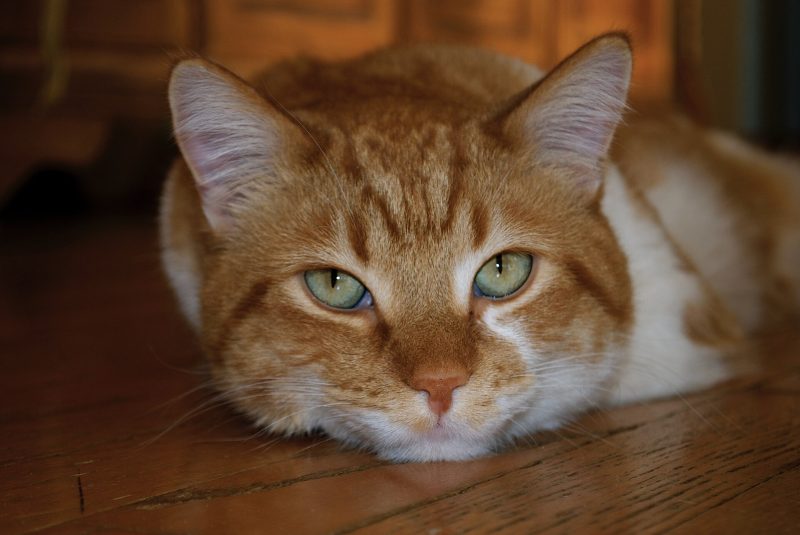
Domestic Shorthair, usually shortened to DSH on a vet's chart or a shelter card, is not a breed. It is the label for any cat of mixed or unknown ancestry whose coat is short, and it describes the great majority of pet cats in the United States. A DSH can be a sleek black cat, a chunky orange tabby, a tortoiseshell or a tuxedo; what they share is a short, easy-care coat and a background of free breeding rather than a pedigree.
The DSH suits almost any household: first-time owners, families, apartment dwellers, people who travel occasionally, and anyone who wants a healthy, low-maintenance companion with a personality they can meet before adopting. Grooming is minimal, costs are low, and inherited breed diseases are rare. The only thing a DSH cannot promise is a particular look or temperament, and a visit to a shelter, where most of the residents are DSH, quickly shows that the variety is the attraction.
History & Origin
Short coats are the ancestral condition of the cat. The wildcat that domesticated itself in the Near East around ten thousand years ago was shorthaired, and the cats that travelled with farmers, traders and sailors to every continent were shorthaired too. For most of history every house cat was what we would now call a domestic shorthair, valued for mousing and otherwise left to breed as it pleased.
The term itself is modern. When cat fancy arrived in North America around 1900, the ordinary working cat was shown under the name Domestic Shorthair until the Cat Fanciers' Association renamed the pedigreed version American Shorthair in 1966 to separate it from random-bred cats. The British Shorthair and European Shorthair were built from local street cats in the same way. The label then migrated to shelters and veterinary records, where it became the default entry for any shorthaired cat without papers. Today most American shelters file their cats as DSH, DMH or DLH, with a color and pattern, and the DSH column is always the longest.
Appearance
A domestic shorthair has the build natural selection favors: a medium-sized, well-muscled body of roughly eight to twelve pounds, a rounded or gently wedged head, medium ears, a tail about as long as the body and a coat that lies close and smooth. Males are usually larger than females, and cats from farm or feral stock can be noticeably bigger than city cats. Nothing is extreme; the DSH is the cat other cats are compared with.
The short coat has a sparse undercoat and short guard hairs, so it feels sleek and shows the body's shape. Every color and pattern the species produces occurs: mackerel, classic, spotted and ticked tabbies, solid black, blue, white, orange and cream, tortoiseshell, calico, bicolor and tuxedo, and occasionally colorpoint from Siamese ancestry. Eyes are copper, gold, hazel, green or, in some white and pointed cats, blue. Telling a DSH from an American or British Shorthair is mostly a matter of paperwork and, in the British, a rounder, plusher build.
Temperament & Personality
Because the DSH is a population rather than a breed, temperament is individual, and the useful generalization is that it is moderate. Most domestic shorthairs are sociable with their own household, cautious then friendly with visitors, playful into middle age and relaxed enough to live well indoors. Within that range you will find cats that talk constantly and cats that never meow, lap cats and independent types, bold explorers and under-the-bed observers.
Upbringing matters more than ancestry. Kittens handled by people between two and seven weeks grow into confident adults; those born outdoors and found later may always be shy. An adult DSH from a shelter or foster home comes with a known personality, which is the best predictor there is. With children, most DSH are tolerant once the children learn gentle handling. With other cats and dogs, a slow, scent-first introduction over a couple of weeks usually ends in peace.
Exercise & Activity
A domestic shorthair is a hunter in a small body and needs daily outlets for stalking, chasing and pouncing. Two or three play sessions of ten to fifteen minutes with a wand toy, ending with a catch and a treat, cover most cats; young cats may want more, seniors less. Puzzle feeders and food scattered across the floor turn meals into hunts and slow eating.
Climbing is as important as running. A tall cat tree, a cleared windowsill with a bird feeder outside, and a shelf or two give a cat the vertical territory it uses to feel safe. Scratching posts, upright and horizontal, keep claws and shoulders in order.
Boredom shows as night-time racing, overeating, overgrooming or ambushing ankles
Rotate toys weekly so they stay novel
Harness walks or a catio suit cats that want the outdoors without its dangers
Short coats cope with warm rooms well; provide a cool tile floor in summer
Training
Domestic shorthairs train as well as any cat, which is better than most people expect. Litter training is instinctive: offer one box per cat plus one, in quiet corners, with unscented clumping litter, scooped daily and washed weekly. A cat that stops using the box is usually ill, stressed or objecting to the box, and a vet visit comes before any behavioral fix.
Scratching is also instinct, so give the cat something better than your sofa: a tall sisal post next to the furniture it favors, a horizontal cardboard scratcher, and praise or treats for use. Keep nails trimmed. Clicker training with food rewards teaches sit, come, high-five and, most usefully, walking into a carrier on cue; keep sessions to a few minutes before meals.
A harness is accepted most easily by kittens but can be introduced to adults gradually indoors. Socialize kittens to handling, nail trims, tooth brushing and visitors early. Give an adopted adult a quiet room and a week or two before expecting much.
Grooming & Care
The short coat is the easy one. A healthy DSH keeps itself clean, and your job is a weekly session with a rubber grooming mitt or a fine-toothed comb to lift the dead hair the cat would otherwise swallow. During the spring and fall sheds, when the coat turns over, two or three sessions a week cut down on hairballs and on hair across the furniture. Most cats enjoy the attention once it becomes routine.
Baths are unnecessary unless the cat gets into something; a damp cloth handles most messes. Seniors and overweight cats may need help reaching the lower back, where greasy or flaky skin signals that the cat has stopped grooming itself.
Nails: trim every two to three weeks; indoor cats do not wear them down
Teeth: brush daily with cat toothpaste if the cat allows; dental disease is the commonest problem in adult cats
Ears: look monthly; clean only if your vet shows you how
Skin: part the fur to check for fleas and flea dirt
Health
The domestic shorthair is as healthy as cats get, because its gene pool is wide and the inherited diseases that trouble pedigreed breeds, such as polycystic kidney disease or the heart-muscle gene variants found in some breeds, are rare in random-bred cats. A large British survey found non-pedigree cats outlived pedigreed ones on average. That is a statistical edge, not a guarantee, and the everyday conditions of cats affect a DSH as much as any other: dental disease, obesity, lower urinary tract disease, chronic kidney disease and hyperthyroidism in older cats, diabetes, and hypertrophic cardiomyopathy, which any cat can develop and which a vet may investigate with an echocardiogram if a murmur is heard.
A new DSH should be tested for feline leukemia and feline immunodeficiency virus, vaccinated, dewormed, protected against fleas and spayed or neutered. DNA tests for cats offer breed-group similarity and a short panel of variant screens; they are rarely decisive for a DSH. Indoor domestic shorthairs commonly live fifteen years or more. Annual check-ups, and twice-yearly visits for seniors, catch the slow diseases early.
Nutrition
Feed a complete, balanced cat food for the right life stage: kitten food to about twelve months, adult food after, with a senior or veterinary diet later if your vet suggests one. Wet food adds water and helps the urinary tract; dry food keeps well and works in puzzle feeders; many owners use both. Several small meals a day match a cat's natural pattern better than one large bowl.
The DSH's main nutritional risk is weight. Neutered indoor cats need fewer calories than packaging suggests, and a sleek short coat makes it easy to see when a cat is getting round. Measure portions, count treats, and check monthly that the ribs are easy to feel and the waist is visible from above. Extra pounds drive diabetes, arthritis and urinary disease.
Offer fresh water in several spots or a fountain. Change foods over a week to avoid stomach upsets, skip milk, and ask your vet before adding supplements or switching to a home-prepared diet.
Living With This Breed
A domestic shorthair settles into almost any home: a studio apartment or a farmhouse, a single person or a busy family. It needs vertical space, hiding places, a clean litter box, a window and daily attention more than it needs square footage. Indoor life is safest and longest; the short coat is no protection against traffic, fights or disease outdoors. A screened porch, a catio or supervised harness time gives the benefits of fresh air without the risks.
Short coats tolerate warm homes and shed less visibly than long ones, which makes the DSH an easy housemate. Climate is rarely an issue indoors; outdoors, short coats feel cold quickly.
Time alone: a healthy adult copes with a workday and usually an overnight with food, water and clean litter; longer needs a daily sitter visit
Children: supervise and teach gentle handling
Other pets: introduce gradually with separate food and litter
For sitters: follow the routine, note whether the cat eats and uses the box, and check for hiding under beds before locking up
Interesting Facts
The pedigreed American Shorthair was shown as the Domestic Shorthair until 1966, when the Cat Fanciers' Association renamed it to distinguish it from ordinary house cats.
Tabby is the ancestral coat; every solid-colored cat still carries the tabby pattern underneath, hidden by another gene, and faint ghost stripes often show in bright light.
Roughly four in five orange cats are male and almost all calicos and tortoiseshells are female, because the orange gene rides on the X chromosome.
The DSH is the most common entry in American shelter records; shelters file cats by coat length, not by breed.
Random-bred shorthairs still carry regional genetic signatures, so a DSH from New York and one from Istanbul are measurably different populations.
Working shorthairs served as ship's cats on vessels from Viking longships to the Royal Navy, which is how the same tabby turned up on every coast.
What Domestic Shorthair owners say
Real pets, photos, stories and tips from the SitterNation community — separate from the editorial guide above.
Log in to add your pet, photos, stories and tips.
Meet Domestic Shorthairs on SitterNation
No Domestic Shorthairs have joined yet. Owners can show their pet here from the pet's profile.
Domestic Shorthair community photos
No Domestic Shorthairs photos yet — be the first to share one.
Stories from Domestic Shorthair owners
No stories yet. What is life with yours really like?
Tips from Domestic Shorthair owners
No tips yet. One practical thing that works for you is enough.
Ask Domestic Shorthair owners
No questions yet. Ask the people who live with the breed.