Typical tendencies
Energy level
Needs a real outlet most days.
Good with children
Gentle and tolerant around children.
Good with other dogs
Gets along with known, polite dogs.
Trainability
Picks up cues with steady, short sessions.
Shedding
Barely a hair on the sofa.
Apartment friendly
Fine in a flat if exercise is kept up.
More traits
Exercise needs
Adaptability
Grooming needs
Drooling
Intelligence
Family friendly
Good with cats
Friendly with strangers
Sociability
Protectiveness
Prey drive
Overview
The Soft Coated Wheaten Terrier is an Irish farm dog wrapped in a silky, wheat-colored coat and powered by a bouncing, puppyish enthusiasm that lasts well into old age. Standing 17 to 19 inches and weighing 30 to 40 pounds, a Wheaten is friendlier than most terriers, greeting everyone with the famous Wheaten greetin', a leap toward the face, and it is affectionate, playful and good with children. It sheds very little, which draws allergy sufferers, but the coat mats easily and needs real work. Under the softness is still a terrier: a strong chaser of small animals, a digger, a barker at the window and a dog with opinions. It suits active families and people who enjoy grooming and training, and it is a poor fit for anyone wanting a calm, low-maintenance dog or a reliable companion for cats and rabbits.
History & Origin
Soft-coated, wheat-colored terriers worked on Irish farms for at least two hundred years, with records in County Kerry from around 1785, and folklore pushes the story back to a dog that swam ashore from the Spanish Armada in 1588. Under English forest laws tenant farmers could not keep hunting hounds, so they bred an all-purpose dog that killed rats and badgers, herded stock, guarded the yard and hunted small game, earning the nickname poor man's wolfhound. The Wheaten shares its roots with the Kerry Blue and Irish Terriers and may be the oldest of the three. The Irish Kennel Club recognized the breed in 1937, with a debut at its St. Patrick's Day show, and Irish champions of that era had to prove themselves on badger, rabbit and rat. The first American dogs arrived from Belfast in November 1946, two of them going to Lydia Vogel in Massachusetts. The Soft Coated Wheaten Terrier Club of America formed on St. Patrick's Day 1962, and the AKC admitted the breed in 1973.
Appearance
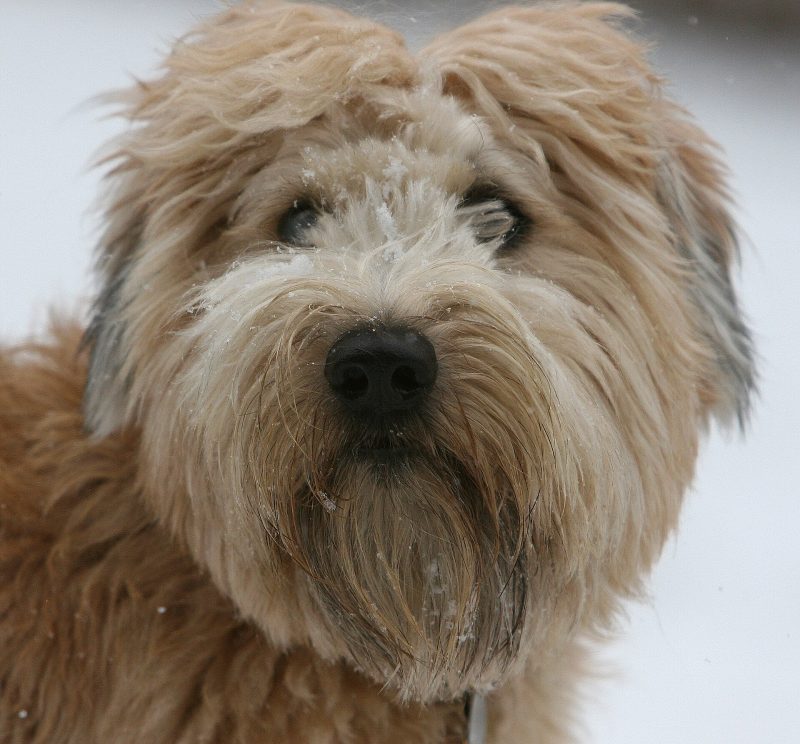
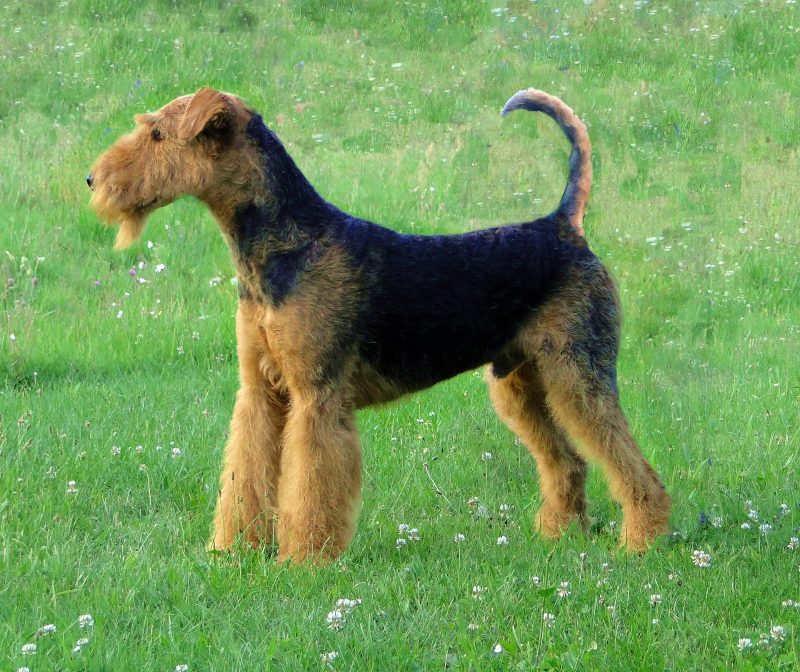
The Wheaten is a square, medium-sized terrier of moderate build, strong and graceful rather than exaggerated, with a level back, a deep chest and a docked or natural tail carried up. The head is rectangular and well covered with coat, with a fall of hair over the eyes and a generous beard, small folded ears and dark, almond eyes that give a soft, intelligent look. The coat is the breed's signature: a single coat, soft and silky with a gentle wave, abundant all over the body, with no harsh outer layer and no undercoat. Color is any shade of wheaten, from pale beige to shimmering gold, often with darker shading on the ears and muzzle; puppies are born darker and may take two years to reach their adult color. Compared with the Kerry Blue it is lighter in color and softer in coat, and it is smaller and silkier than an Airedale.
Temperament & Personality
Wheatens are exuberant, affectionate and sociable, with less of the sharp edge found in many terriers. They love people, greet guests with enthusiasm and often with a leap, and want to be in the middle of family life. They are playful and patient with children, usually good with other dogs when socialized, and happiest when included. Energy stays high through adulthood; a seven-year-old Wheaten can still act like a puppy. The terrier side shows as a strong prey drive toward squirrels, cats and small pets, a love of digging, a readiness to bark at passersby and a stubborn streak. They are sensitive and do not respond well to harshness. Wheatens are alert watchdogs but not guard dogs, and they dislike being left alone for long days, when they may bark, chew or dig.
Exercise & Activity
Plan on 60 minutes or more of activity daily: a brisk walk or two, a game of fetch or tug and some time to run in a secure yard. Wheatens are athletic and enjoy agility, flyball, rally, earthdog, scent work and hiking, and they make keen jogging partners once mature. Mental work is just as important, since a bored Wheaten digs, barks and redecorates. The silky coat gives some protection in cold, wet weather but the breed tolerates heat poorly, so summer exercise should be early or late with water on hand. Off-leash freedom belongs only inside a fence; a Wheaten in pursuit of a squirrel does not hear you.
Daily walks plus active play and training games
Fenced yard; the breed digs and chases
Avoid hard exercise in heat
Training
Wheatens are intelligent and learn quickly, but they are independent thinkers who ask what is in it for them. Reward-based training with food, toys and games works well; repetition and harsh corrections do not, and a bored or pressured Wheaten simply stops participating. Start early and be consistent, especially about jumping up, since the Wheaten greeting is charming in a puppy and unwelcome from a 40-pound adult; teach a sit for greetings from day one. Recall and leave-it need extensive practice because of the prey drive and should never be fully trusted around small animals. Socialize broadly to keep the breed's natural friendliness and to reduce window barking. Housetraining can take time. Many Wheatens thrive in agility and rally. Sitters should ask about jumping rules, recall reliability and the dog's reaction to cats and squirrels.
Grooming & Care
The Wheaten coat is the breed's main commitment. It sheds very little, but what it does not shed it mats, so brush and comb to the skin every day or at least every other day, using a pin brush followed by a medium comb and working through the beard, behind the ears, under the legs and along the belly where tangles start. Bathe every four to six weeks, condition the coat and dry it while brushing. Most pet owners have a groomer trim the coat every six to eight weeks; a shorter pet trim makes daily care much easier. The beard needs wiping after meals and the hair around the eyes and ear canals should be kept short. Clean ears weekly, trim nails every two to three weeks and brush teeth several times a week.
Brush to the skin daily or every other day
Professional trim every six to eight weeks
Low shedding does not mean low maintenance
Health
Wheatens typically live 12 to 14 years. The breed's best-known problems are two protein-losing diseases: protein-losing nephropathy, in which the kidneys leak protein into the urine, and protein-losing enteropathy, in which protein is lost through the gut. Both run in the breed and can be serious. DNA tests identify two risk variants for PLN, and the parent club asks breeders to provide those results plus hip and eye clearances. Because the diseases develop in adulthood, the club recommends annual screening of every Wheaten with a blood chemistry panel, complete blood count, urinalysis and a urine protein-to-creatinine or microalbumin test, with a fecal test available for early PLE. Renal dysplasia affects puppies, and Addison's disease, hypothyroidism, allergies, degenerative myelopathy, paroxysmal dyskinesia and eye problems such as microphthalmia also occur. Ask your vet to set up the annual testing routine and to investigate any increased thirst, vomiting, diarrhea or weight loss promptly.
Nutrition
Feed a complete, balanced diet for the dog's life stage in two measured meals a day for adults and three or four for puppies. Wheatens are moderately easy keepers and some gain weight readily, so measure portions and keep ribs easy to feel under the coat, which hides extra pounds. Food allergies and sensitive stomachs are fairly common, and dogs with recurring diarrhea, gas or itchy skin may need a limited-ingredient or prescription diet under veterinary guidance. Because the breed is prone to protein-losing kidney and gut disease, your vet may recommend specific dietary changes if annual tests show early problems; follow their advice rather than adjusting protein on your own. Fresh water should always be available, and a sudden increase in drinking deserves a vet visit. Sitters should stick to the owner's food and avoid treats and scraps that can upset a sensitive gut.
Living With This Breed
A Wheaten can live in an apartment if it gets daily exercise and its barking is managed, but a house with a fenced yard suits it better. It lives indoors with its family and tolerates a workday alone after a morning walk, though it prefers company and may bark or dig if bored. It is excellent with children, usually good with other dogs, and unreliable with cats, rabbits and other small pets. Visitors should be warned about the enthusiastic greeting. Daycare suits most Wheatens well, and a sitter should budget time for both exercise and brushing.
Sitters: enforce the no-jumping rule, keep a firm leash around squirrels, brush if asked
Report any vomiting, diarrhea or unusual thirst to the owner
Wipe the beard after meals and dry the dog after wet walks
Interesting Facts
The Wheaten greetin' is the breed's trademark leap toward your face, and most owners spend years teaching a polite alternative.
Irish champions in the 1930s had to earn a working certificate on badger, rabbit and rat before their show title counted.
The Irish Kennel Club gave the breed its first championship show on St. Patrick's Day 1937, and the American parent club was founded on St. Patrick's Day 1962.
Puppies are born dark red or brown and lighten gradually, reaching their true wheaten color at about two years old.
The breed is called the poor man's wolfhound because tenant farmers were once forbidden to keep the hounds of the gentry.
The AKC admitted Wheatens to its stud book on May 1, 1973, and the breed earned its first champion the same weekend it entered the Terrier Group that October.
Breeds similar to the Soft Coated Wheaten Terrier
What Soft Coated Wheaten Terrier owners say
Real pets, photos, stories and tips from the SitterNation community — separate from the editorial guide above.
Log in to add your pet, photos, stories and tips.
Meet Soft Coated Wheaten Terriers on SitterNation
No Soft Coated Wheaten Terriers have joined yet. Owners can show their pet here from the pet's profile.
Soft Coated Wheaten Terrier community photos
No Soft Coated Wheaten Terriers photos yet — be the first to share one.
Stories from Soft Coated Wheaten Terrier owners
No stories yet. What is life with yours really like?
Tips from Soft Coated Wheaten Terrier owners
No tips yet. One practical thing that works for you is enough.
Ask Soft Coated Wheaten Terrier owners
No questions yet. Ask the people who live with the breed.