Typical tendencies
Energy level
Needs a real outlet most days.
Good with children
Gentle and tolerant around children.
Good with other dogs
Enjoys most canine company.
Trainability
Quick to learn and keen to please.
Shedding
A light scatter, easy to keep up with.
Apartment friendly
Settles well into smaller homes.
More traits
Exercise needs
Adaptability
Grooming needs
Drooling
Intelligence
Family friendly
Good with cats
Friendly with strangers
Sociability
Protectiveness
Prey drive
Overview
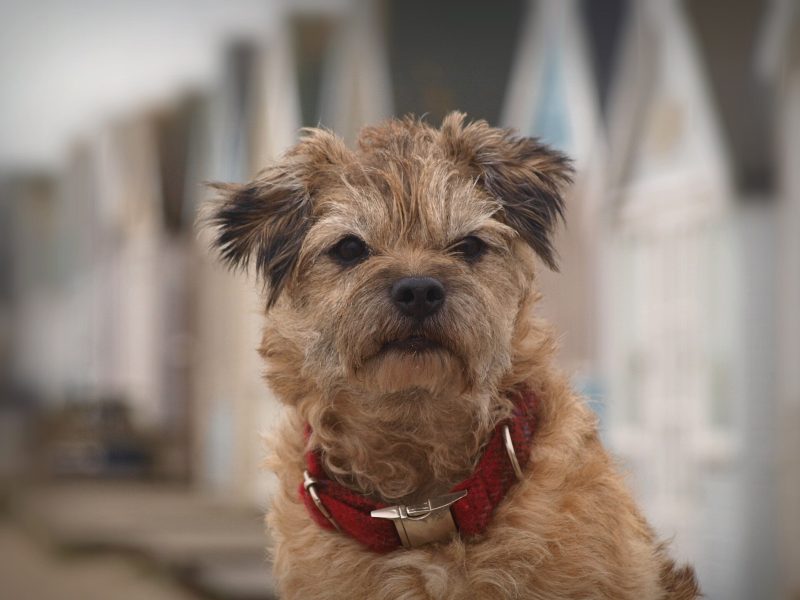
The Border Terrier is a plain, scruffy, otter-headed working terrier from the hills between England and Scotland, and one of the most agreeable dogs in the terrier group. Males stand 12 to 15 inches and weigh 13 to 15.5 pounds, females a little less, and the breed usually lives 12 to 15 years. Borders were bred to run all day with foxhounds and then come home and lie by the fire, and that combination still defines them: game and tireless outdoors, mellow and affectionate indoors. They suit active families, hikers, dog-sport people and first-time owners who will keep up with exercise and a few grooming chores. They are a poor fit for homes with pet rabbits or rodents, for unfenced yards and for anyone who wants a dog that ignores squirrels. Expect a loud bark when something matters and a happy, sociable dog the rest of the time.
History & Origin
The Border Terrier took shape in the 1700s and 1800s in the Cheviot Hills along the Anglo-Scottish border, where shepherds and farmers needed a terrier with legs long enough to keep up with horses and hounds and a body narrow enough to follow a hill fox into its den. It shares roots with the Dandie Dinmont and Bedlington Terriers of the same region and was known locally as the Coquetdale or Redesdale Terrier before the name Border stuck in the late 1800s. The Robson and Dodd families, masters of the Border Hunt, were central to fixing the type. The first dog registered with The Kennel Club, in 1913, was The Moss Trooper, listed under Any Other Variety; an application for recognition was refused in 1914, but in 1920 the breed was recognized, the Border Terrier Club was founded and Jacob Robson and John Dodd wrote the first standard. The AKC recognized the breed in 1930, and the Border Terrier Club of America serves as the parent club. Borders remain top-ten dogs in Britain.
Appearance
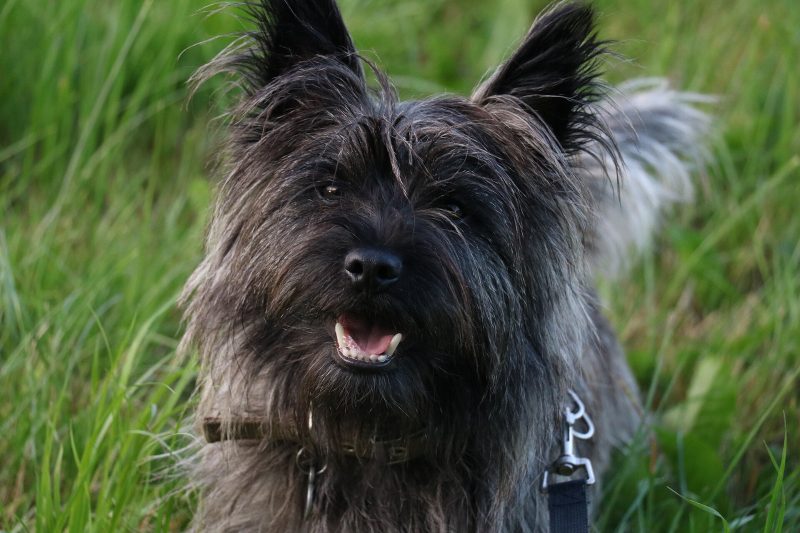
A Border Terrier should look like what it is, a working dog, rather than a show piece. The hallmark is the head, which the standard compares to an otter: broad and flat between the small, V-shaped drop ears, with a short, strong muzzle, dark eyes and a black nose, giving a keen but kindly expression. The body is narrow and fairly long, with enough spring of rib to run and enough looseness of skin to twist underground, and the legs are long for a terrier. The tail is moderately short, thick at the base and carried gaily but not over the back. The coat is a harsh, dense wire over a close undercoat, rarely tidied beyond hand-stripping, in red, grizzle and tan, blue and tan or wheaten, often with a dark muzzle. Next to a Cairn Terrier the Border is leggier and plainer, with a smoother head and drop ears rather than pricked ones.
Temperament & Personality
The Border Terrier Club of America describes the breed as a two-year-old in a dog suit, and most owners would agree: curious, cheerful, busy and into everything, yet remarkably good-natured for a terrier. Borders are affectionate with the whole family, patient with children who treat them well and more tolerant of other dogs than most of their cousins, since they were bred to work in packs. They greet strangers with a wagging tail and are not naturally protective, though their bark is loud enough to serve as an alarm. The hunter is never far below the surface. Rabbits, squirrels, rats and often cats are chased with single-minded focus, and a Border that is digging after something will not hear you call. Indoors, once exercised, they are calm cuddlers who settle on the sofa or at your feet. Bored and alone, they dig, chew and go looking for a way out.
Exercise & Activity
Plan on at least an hour of active exercise a day for a Border Terrier, with room for more if you have it. Long walks, hikes, jogging, fetch and tug all work, and the breed is a star in agility, earthdog trials, barn hunt, flyball, rally and scent work. Give it a job of some kind, because a Border with nothing to do invents projects such as excavating the lawn. The wiry coat sheds rain and cold well, so bad weather is no excuse for staying in, but take care in summer heat and keep water handy. Mental work, from training games to food puzzles, is as important as miles.
Off-leash only in a securely fenced area; the chase instinct overrides recall
Check fences for gaps and dig sites, and supervise time in the yard
Signs of boredom: digging, chewing, barking and escape attempts
Training
Borders are intelligent, eager and far more biddable than most terriers, and they take well to short, upbeat, reward-based sessions. They are also stubborn when a scent is involved and sensitive to harsh handling, which makes them sulk or ignore you. Start socialization early and keep it varied, including calm cats and small animals if the dog will live with them. Recall around prey is the big challenge: build it as a game with high-value rewards and long lines, and accept that near a rabbit it may fail. Teach a reliable leave-it and a quiet cue, since the bark is loud. Many Borders dig, so a legal digging pit saves the garden. Crate training helps with housetraining and gives a dog that likes company a calm place when alone. Borders love to learn tricks and dog sports and thrive on having something to do with their person.
Grooming & Care
The Border's coat is designed to resist weather, and it stays that way only if it is hand-stripped rather than clipped. Brush weekly with a slicker or stiff brush to remove dirt and loose hair, and plan to strip the dead coat by hand or with a stripping tool two or three times a year, as the coat blows. Clipping is acceptable for pets but leaves a softer, lighter coat that holds dirt and sheds more. Baths are rarely needed; a dry, dirty Border brushes clean. Clean the drop ears every week or two and check for the ear infections that floppy ears invite. Trim nails every two to three weeks and brush teeth several times a week. Watch the eyes, as cataracts occur in the breed.
Weekly brushing, hand-stripping two or three times a year
Few groomers strip; ask the breeder or a breed club for referrals, or learn to do it yourself
Minimal shedding when the coat is kept stripped
Health
Border Terriers are generally healthy and often live 12 to 15 years; a 2024 British study put their typical lifespan above 14. The Border Terrier Club of America requires several screenings for its health registry number: hip X-rays, a patella exam, a cardiac exam by a cardiologist, yearly eye exams by a veterinary ophthalmologist and a DNA test for spongiform leukoencephalomyelopathy, or SLEM, the cause of shaking puppy syndrome, so that two carriers are never bred together. Heart defects reported include ventricular septal defects and mitral valve dysplasia, so puppies should have a cardiac check before going home. The breed is known for canine epileptoid cramping syndrome, also called Spike's disease, a movement disorder that often responds to a strict gluten-free diet, and for true epilepsy. Gallbladder mucocele is far more common in Borders than in other dogs and is found by ultrasound. Juvenile cataracts, hypothyroidism, Cushing's disease, allergies and cruciate ligament injuries also occur. Ask your vet about any cramping episodes, stiffness or unexplained lethargy.
Nutrition
Feed a complete and balanced diet appropriate for a small, active breed, in two measured meals a day for adults and three or four for puppies. Borders have excellent appetites and are easy keepers, so measure portions, keep treats to a tenth of daily calories and adjust for activity; a fit Border has a visible waist and ribs you can feel without pressing. Because the cramping syndrome seen in the breed often improves on a gluten-free diet, your vet may suggest a diet trial if a dog has episodes, and some breeders start puppies on grain-free or gluten-free food as a precaution, which is a decision to make with your veterinarian rather than on your own. Avoid free feeding and rich table scraps, which can trigger digestive upsets and pancreatitis. Sitters should follow the owner's portions, keep the Border out of the trash and never feed anything containing wheat if the owner has asked for a gluten-free diet.
Living With This Breed
A Border Terrier is adaptable enough for an apartment if it gets a real hour of exercise each day, though a house with a well-fenced yard suits it better. It should live indoors with its people and handles a few hours alone once it is used to it, especially with another dog for company. Borders are good with respectful children and usually fine with other dogs; cats need careful introductions and are not always safe, and pet rodents and rabbits are not. The coat copes with cold and wet, and the breed is quiet unless something is worth announcing. Fences must be sound to the ground, because Borders dig and squeeze through surprisingly small gaps.
Sitters: leash at all times outdoors, check gates and fences, expect a loud bark at visitors
Daycare suits most Borders; they enjoy group play and tolerate other dogs well
Ask the owner about any gluten-free diet or cramping episodes before the first visit
Interesting Facts
The breed standard asks for a head like an otter, and the Border Terrier Club of America awards a trophy for the best otter head at its national specialty.
The first Kennel Club-registered Border Terrier, The Moss Trooper, was entered in 1913 under Any Other Variety, and the breed's first bid for recognition was turned down in 1914.
Borders were bred to run with the Border Hunt's foxhounds all day and then bolt a fox from its den, so they have longer legs than most terriers.
Puffy, the dog in There's Something About Mary, and Baxter in Anchorman were played by Border Terriers.
Tennis champion Andy Murray and comedian David Walliams are among the breed's well-known British owners.
A 2024 UK study found Border Terriers live longer on average than almost any other pure breed.
Breeds similar to the Border Terrier
What Border Terrier owners say
Real pets, photos, stories and tips from the SitterNation community — separate from the editorial guide above.
Log in to add your pet, photos, stories and tips.
Meet Border Terriers on SitterNation
No Border Terriers have joined yet. Owners can show their pet here from the pet's profile.
Border Terrier community photos
No Border Terriers photos yet — be the first to share one.
Stories from Border Terrier owners
No stories yet. What is life with yours really like?
Tips from Border Terrier owners
No tips yet. One practical thing that works for you is enough.
Ask Border Terrier owners
No questions yet. Ask the people who live with the breed.