Typical tendencies
Energy level
Needs a real outlet most days.
Good with children
Gentle and tolerant around children.
Good with other dogs
Gets along with known, polite dogs.
Trainability
Picks up cues with steady, short sessions.
Shedding
A light scatter, easy to keep up with.
Apartment friendly
Settles well into smaller homes.
More traits
Exercise needs
Adaptability
Grooming needs
Drooling
Intelligence
Family friendly
Good with cats
Friendly with strangers
Sociability
Protectiveness
Prey drive
Overview
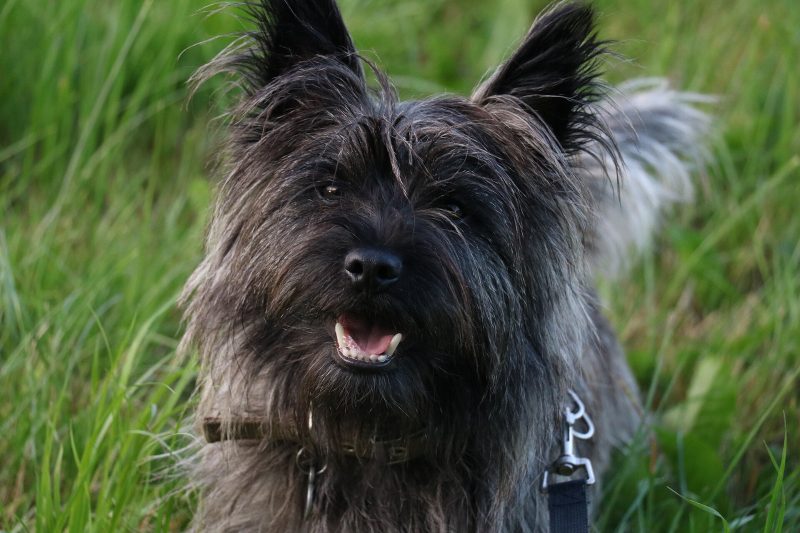
The Cairn Terrier is a small, scruffy, big-hearted working terrier from the Scottish Highlands, bred to bolt foxes and otters from the piles of rock that give the breed its name. Weighing 13 to 16 pounds under a weatherproof coat, the Cairn is sturdy enough for real hikes and compact enough for an apartment, and its cheerful, plucky, slightly mischievous nature has made it a family favorite for a century.
It suits owners who enjoy an active, inquisitive little dog with a sense of humor and who can live with digging, barking and a hunting instinct that never switches off. It is less ideal for homes with hamsters or free-roaming cats, for people who expect instant obedience, or for anyone who wants a quiet lap dog. Cairns are hardy, long-lived and more biddable than many terriers, but they are terriers to the core.
History & Origin
Small rough-coated terriers have worked the crofts of the Scottish Highlands and the Isle of Skye for centuries, going to ground after fox, badger and otter and flushing vermin from cairns, the heaps of stone used as landmarks. Until the late 1800s these dogs were lumped together as Scotch or Skye terriers, and the Cairn, Scottish, West Highland White and Skye breeds were only sorted out as show breeders began to specialize. When the Cairn was first exhibited in Britain around 1909 it was entered as the short-haired Skye Terrier; Skye breeders objected, and The Kennel Club registered it under its present name in 1912, with the AKC following in 1913.
White puppies still turned up in Cairn litters, and until the AKC ruled otherwise in 1917 they could be registered as West Highland Whites. The breed's fame peaked when a Cairn named Terry played Toto in The Wizard of Oz in 1939. In Britain its numbers have more than halved in a decade, and The Kennel Club has warned that it could become a vulnerable native breed.
Appearance
The Cairn is a small, shaggy terrier built low and strong, with a broad head, a short muzzle, bushy eyebrows and small pointed ears that give it a foxy, alert expression. Males stand about 9.5 to 10.5 inches at the shoulder and weigh 14 to 16 pounds; females are slightly smaller at 9 to 10 inches and 13 to 15 pounds. The body is a little longer than tall, the legs are short but not stumpy, and the tail is carried gaily without curling over the back.
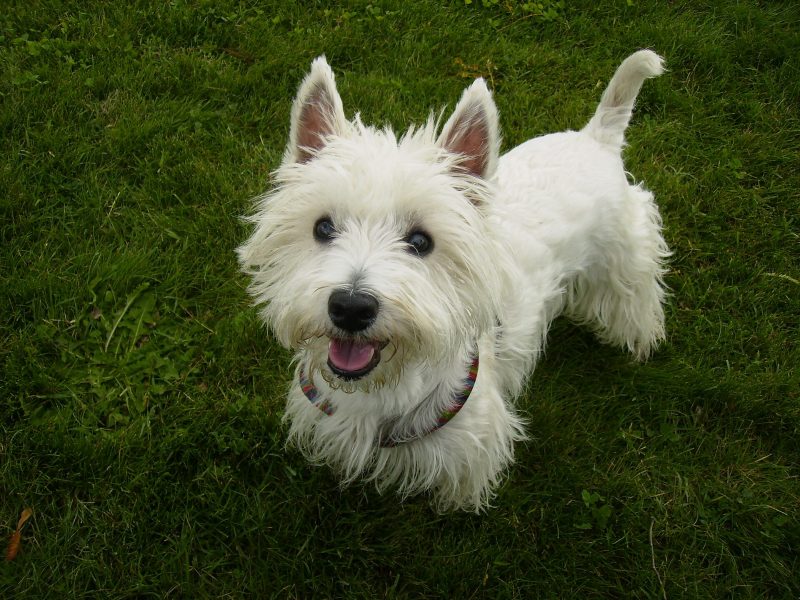
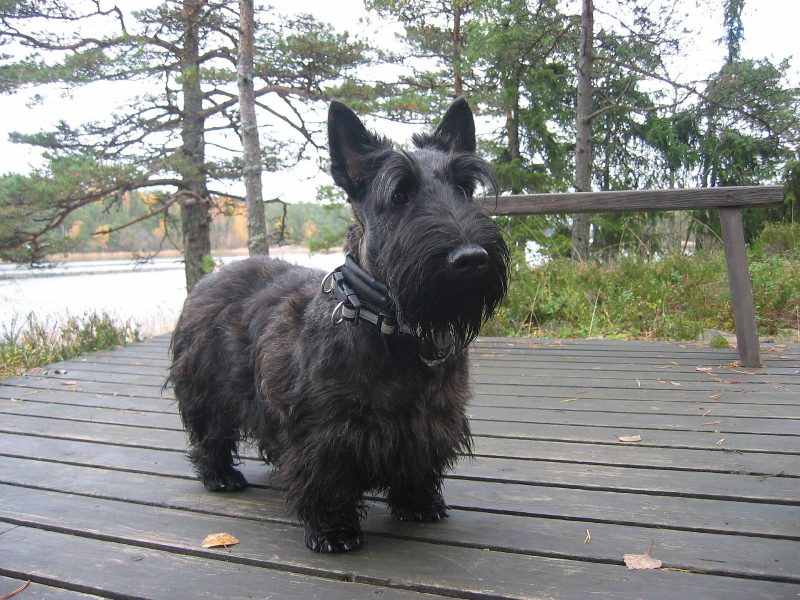
The double coat has a harsh, weather-resistant outer layer over a soft, dense undercoat, and it is meant to look tousled rather than sculpted. Any color except white is allowed: cream, wheaten, red, gray, brindle and black, often with darker ears and muzzle, and many brindles darken or silver with age. Compared with look-alikes, the Westie is always white, the Scottie is heavier with a longer head and the Norwich Terrier is smaller with a smoother coat.
Temperament & Personality
Cairns are bold, curious, affectionate and a little bit cheeky. Indoors they are busy rather than frantic, happy to follow you around, supervise the kitchen and then settle on the couch; outdoors every scent and hole demands investigation. They are devoted to their families and more people-oriented than many terriers, which makes them more trainable, but they keep an independent streak and will weigh up whether your request is worth their time. Most are friendly with strangers after a bark of announcement, and they make good alarm dogs without being yappy if taught.
With children they are sturdy, playful and tolerant, though toddlers should be supervised. They usually get along with other dogs, with some scrappiness among males, and can live with cats raised alongside them. Rodents, rabbits and birds are prey, full stop. Expect digging, the odd stubborn stand-off and a dog that thinks it is much bigger than it is.
Exercise & Activity
A Cairn needs around 45 to 60 minutes of exercise a day, which can be a brisk walk or two plus a good game. They are tireless hikers for their size and enjoy fetch, tug, hide-and-seek and anything that involves sniffing, chasing or digging. Earthdog trials, barn hunt and agility suit the breed perfectly and give the hunting instinct a legal outlet. Mental work is essential: puzzle feeders, scatter-feeding in the garden and trick training keep a clever terrier out of trouble. Their harsh coat shrugs off cold and wet weather, but they can overheat on hot days. Keep them leashed or inside a secure fence; a Cairn that spots a squirrel will not come back until the squirrel is gone.
Two walks a day plus a sniffing or digging game
A sandpit or digging corner saves the flower beds
Boredom shows as barking, digging and shredding
Training
Cairns are smart and learn quickly when the game interests them, and they are more willing than most terriers, but they are still terriers: independent, easily bored and inclined to negotiate. Keep sessions short and lively, use food and play as rewards, and stop before the dog loses interest. Harsh methods backfire and make them dig in. Recall is the hardest skill because the chase instinct overrides everything, so practice on a long line and never trust it near roads or wildlife. Barking at every noise should be managed early with a quiet cue and rewards for settling. Housetraining is usually straightforward with a routine. Socialize puppies thoroughly with other dogs so terrier bravado does not harden into scrappiness, and teach them to accept handling of feet, ears and coat, since grooming will be a lifelong routine. Many Cairns shine in earthdog, barn hunt, agility and obedience with a patient, playful handler.
Grooming & Care
The Cairn's coat is low-maintenance by terrier standards but not maintenance-free. Comb or brush through once or twice a week, down to the skin, to lift loose undercoat and prevent mats behind the ears, under the arms and in the leg furnishings. Two or three times a year the dead outer coat should be hand-stripped, either by you or a groomer, which keeps the texture harsh and the colors clear; clipping is easier but softens the coat and dulls its color over time. Bathe only when needed, since frequent washing strips the natural oils that make the coat weatherproof. Trim the hair around the eyes so it does not irritate them, keep the hair between the pads short, trim nails every few weeks and brush teeth several times a week. Shedding is light. A pet Cairn tidied every few months looks scruffy in exactly the right way.
Health
Cairns are a hardy breed that typically lives 13 to 15 years. The Cairn Terrier Club of America's health testing guidelines focus on a DNA test for globoid cell leukodystrophy (Krabbe disease), a fatal nervous system disorder of puppies; bile acid blood tests for liver shunts and microvascular dysplasia; ultrasound to rule out missing or malformed kidneys; eye exams for ocular melanosis, a breed-specific pigment disorder that can lead to glaucoma; patella evaluation; and a cardiac exam. A DNA test also exists for craniomandibular osteopathy, a painful jaw-bone overgrowth in young dogs.
Other conditions reported in the breed include Legg-Calve-Perthes disease, cataracts and progressive retinal atrophy, diabetes, hypothyroidism, hemophilia B and allergic skin disease. Ask your vet to check the eyes and knees at each visit and to investigate limping, poor growth or odd behavior after meals promptly, because the liver problems are most treatable when caught early.
Nutrition
Feed a complete, balanced small-breed diet suited to the dog's life stage, in two measured meals a day for adults and three or four for puppies. Cairns are easy keepers that gain weight readily, and extra pounds on a long-backed, short-legged dog add strain to the knees and back, so keep treats small, count them and check body condition monthly; you should feel ribs under the coat and see a waist from above. Dogs diagnosed with a liver shunt or microvascular dysplasia are usually managed on a vet-prescribed diet, so do not change foods without advice if your dog has a liver diagnosis. Allergic Cairns may benefit from a diet trial supervised by a vet to identify triggers. Fresh water should always be available, especially for the breed's enthusiastic diggers and hikers. Ask your vet before adding supplements.
Living With This Breed
Cairns adapt well to apartments, houses and farms alike, provided they get their daily walks and games and the barking is managed. They handle cold, wind and rain happily and need shade in summer. They are social and prefer company but can manage a few hours alone, especially with chew toys and a food puzzle. Families with school-age children suit them well, and they are usually fine with resident dogs and cats. A securely fenced yard is important, and check the fence line regularly, because Cairns dig and squeeze through surprising gaps.
A sitter should keep the dog leashed and never trust recall near wildlife
Expect digging; provide a legal spot
Alarm barking at the door is normal but can be interrupted with a cue
Small pets such as hamsters or rabbits must be kept well out of reach
Interesting Facts
Toto in the 1939 film The Wizard of Oz was a female Cairn named Terry, who appeared in more than a dozen films.
The breed takes its name from cairns, the piles of stone that dotted the Highlands and sheltered the vermin the dogs were bred to flush.
Cairns and West Highland White Terriers share ancestry so closely that white Cairn puppies could be registered as Westies until 1917.
Brindle Cairns often change color dramatically over their lives, darkening or silvering with age.
The breed was first shown in Britain as the short-haired Skye Terrier, a name Skye breeders successfully fought to have dropped.
The AKC recognized the Cairn in 1913, just a year after The Kennel Club in Britain registered it under its present name.
Breeds similar to the Cairn Terrier
What Cairn Terrier owners say
Real pets, photos, stories and tips from the SitterNation community — separate from the editorial guide above.
Log in to add your pet, photos, stories and tips.
Meet Cairn Terriers on SitterNation
No Cairn Terriers have joined yet. Owners can show their pet here from the pet's profile.
Cairn Terrier community photos
No Cairn Terriers photos yet — be the first to share one.
Stories from Cairn Terrier owners
No stories yet. What is life with yours really like?
Tips from Cairn Terrier owners
No tips yet. One practical thing that works for you is enough.
Ask Cairn Terrier owners
No questions yet. Ask the people who live with the breed.