Typical tendencies
Energy level
Calm at home with short bursts of play.
Good with children
Gentle and tolerant around children.
Good with other pets
Easygoing with most household animals.
Shedding
Noticeable, with heavier seasonal blows.
Vocalization
Nearly silent; you may forget it is there.
Sociability
Likes being in the room with people.
More traits
Exercise needs
Adaptability
Grooming needs
Trainability
Intelligence
Family friendly
Friendly with strangers
Apartment friendly
Overview
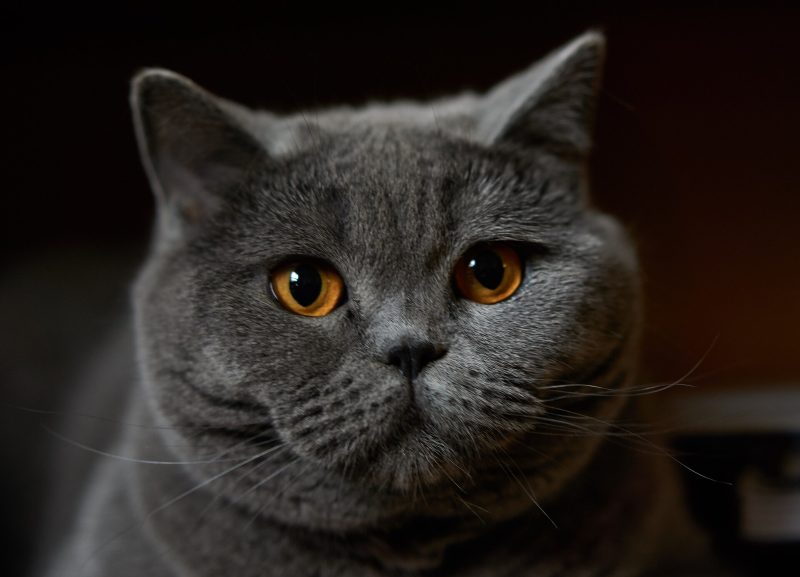
The British Shorthair is the teddy bear of the cat world: round face, round eyes, dense plush coat and a calm, dignified manner that asks little and gives a steady, quiet affection. Males weigh 12 to 18 pounds and females 8 to 12, and the breed lives 12 to 17 years. It suits apartment dwellers, busy professionals, families with respectful children and first-time owners who want a cat that is affectionate without being needy. It is not for people who want a lap cat that stays put, a cat that enjoys being carried, or a high-energy playmate. The classic blue cat is only one of many colors. Give a British Shorthair a weekly brush, measured meals and a spot near the family, and you get a loyal, undemanding companion that greets you at the door and then sits a polite distance away.
History & Origin
The British Shorthair descends from the ordinary working cats of Britain, which were probably carried there by the Romans. For centuries they kept barns and streets free of rodents. In the 1870s the artist and fancier Harrison Weir selected the best of these domestic cats and wrote a standard for them, and they featured at the first organized cat show at London's Crystal Palace in 1871. Persians and other imports soon overshadowed them, and the two world wars nearly wiped out the pedigreed population. Postwar breeders rebuilt the breed by crossing the survivors with Persians, Russian Blues and domestic shorthairs, which gave the modern cat its rounder head and plusher coat; the Persian influence was then bred back out. The blue cats were long registered in America as British Blues. CFA granted championship status in 1980, and the breed is recognized by TICA, FIFe and the GCCF, where it has been the most popular pedigreed cat for many years.
Appearance
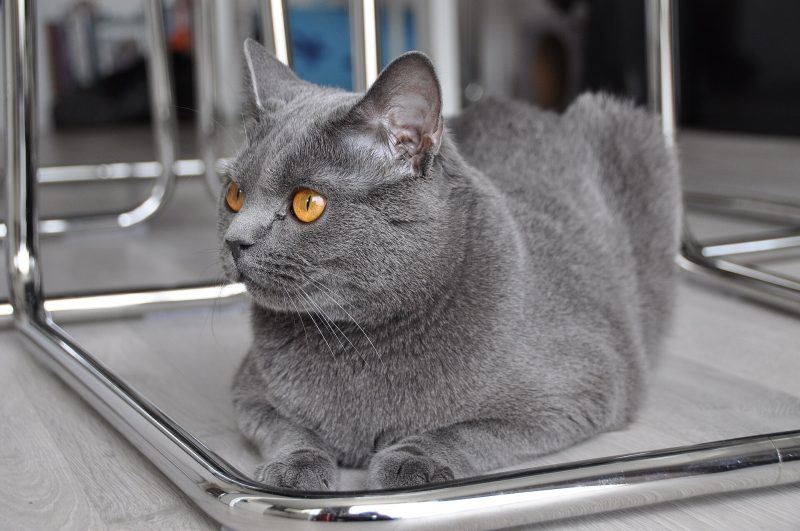
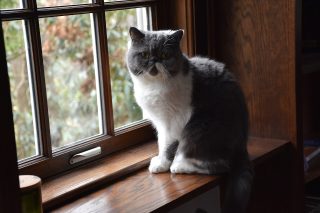
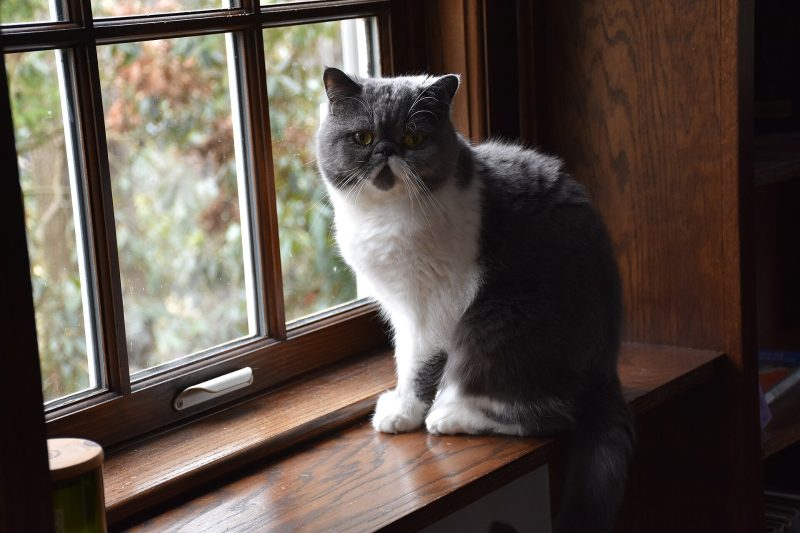
A British Shorthair is built on circles and solidity. The body is compact, cobby and powerful, with a broad chest, short strong legs, round paws and a thick tail with a rounded tip. The head is round with full cheeks, a short, broad nose, a firm chin and medium ears set wide apart; prominent, round whisker pads give the breed its famous smile. The eyes are large, round and wide-set, usually deep copper or gold, green in silvers, and blue or odd-eyed in whites. The coat is short, dense and crisp, standing away from the body so that it parts when stroked and feels like a thick carpet. Blue is the classic and best-known color, but black, white, cream, red, chocolate, lilac, silver and golden, tabby, tortoiseshell, bicolor and colorpoint are all recognized. Full size takes three to five years. The Chartreux is similar but has a slimmer body, a narrower head and a woollier coat; the Exotic has a much flatter face.
Temperament & Personality
British Shorthairs are calm, quietly confident and even-tempered. They attach to the whole household rather than one person and prefer to sit beside you rather than on you; many dislike being picked up and carried, though they enjoy a stroke and a chin rub. They follow family routines closely and object mildly when they change. Strangers are observed from a distance before being accepted. With children the breed is patient and tolerant, walking away rather than lashing out, and it generally lives peacefully with dogs and other cats, often ending up as the household's top cat. The voice is soft and seldom used. Indoors the British Shorthair is a low-energy cat with brief bursts of play; outdoors, if allowed, it is a competent but unhurried hunter. Kittens are playful, but adults become dignified early. They are not watchful or anxious and cope well with a quiet home and a working owner.
Exercise & Activity
A British Shorthair will not demand exercise, which is exactly why it needs you to provide it. Two play sessions of 10 to 15 minutes a day with a wand toy, a thrown mouse or a ball to chase keep a naturally stocky cat from becoming a heavy one. Puzzle feeders and treat balls add mental work and slow down meals. A sturdy cat tree of moderate height, a window perch and a cardboard box give it somewhere to watch and ambush. Harness walks suit some individuals. The dense coat makes hot weather uncomfortable, so play in cool rooms and provide a cool floor in summer. Boredom in this breed looks like sleeping even more and eating anything offered.
Two short play sessions daily, aimed at a cat that would rather watch
Puzzle feeders instead of a full bowl
Cool rooms in summer
Training
British Shorthairs learn steadily and are motivated by food and calm praise rather than excitement. Litter habits are usually impeccable; provide a large, uncovered box for a heavy cat and scoop daily. Scratching is moderate, but offer a solid sisal post and a horizontal pad and reward their use. Clicker training works for simple cues such as come, sit and target, in sessions of two or three minutes; the breed is not quick but it is consistent, and a routine learned once is kept for life. Teach handling early: this breed dislikes being lifted, so practice brief, rewarded lifts in kittenhood so vet visits and grooming are tolerable. Carrier training is easy if the carrier is a permanent bed with treats inside. Some cats accept a harness, but many simply sit down. Socialize kittens to visitors and dogs; adults are naturally reserved and benefit from early, gentle exposure.
Grooming & Care
The dense coat is easy to keep but sheds more than its length suggests. Brush or comb once a week with a steel comb or a rubber curry brush to lift loose undercoat; during the spring and fall sheds, brush two or three times a week, because the thick undercoat drops in clumps. Baths are rarely needed. Check the ears weekly and clean only if there is wax. Trim nails every two to three weeks. Brush teeth several times a week, since gingivitis is common. The coat can develop a slightly greasy feel in older cats that groom less, which a brush and an occasional wipe resolves. No professional grooming is required, though a groomer can help during a heavy shed.
Weekly brush, more in shedding seasons
Nails every two to three weeks, ears weekly
Teeth several times a week
Health
British Shorthairs are a hardy breed with a lifespan of 12 to 17 years, but a few inherited problems are known. Hypertrophic cardiomyopathy is the most important; it is relatively common in the breed, especially in males, and no breed-specific DNA test exists, so breeders should screen with regular echocardiograms. Polycystic kidney disease entered some lines through Persian outcrosses; the PKD1 DNA test is reliable, and breeding cats should be tested clear. Haemophilia B, a clotting disorder, has been documented in a few lines. The breed has one of the highest frequencies of blood type B among cats, which matters for transfusions and for breeding, where type-A kittens nursing from a type-B mother can be lost to neonatal isoerythrolysis; blood typing is a routine breeder test. Obesity is the most common everyday problem and drives diabetes and joint disease. Gingivitis is also frequent. UK veterinary records put median longevity nearer 12 years, and one study estimated life expectancy at under 10. Ask your vet about any rapid breathing, lethargy, increased drinking or sudden lameness.
Nutrition
Feed a complete and balanced food for the cat's life stage, keeping kittens on a growth formula for about a year even though the breed keeps filling out for several years afterward. Adults do best on measured meals two or three times a day; free feeding and a sedentary cat are a recipe for the overweight British Shorthair that vets see so often. Have your vet set a calorie target and adjust by body condition, feeling for the ribs through the dense coat and looking for a waist from above. Count treats inside the daily total. Wet food helps with hydration and satiety. Hairballs are moderate and increase during the shed, when a hairball formula or extra fiber can help. Neutered cats need fewer calories than entire ones. Ask your vet before adding supplements, and give sitters exact portions, because this cat will persuade anyone that it is starving.
Living With This Breed
A British Shorthair is one of the easiest cats to live with. It suits an apartment or a house equally, is quiet enough for close neighbors and does not climb curtains. It can be an indoor cat with no complaint, and a catio or garden is a bonus rather than a need. Children who are taught not to carry it get a patient friend; dogs and other cats are accepted. It copes well with a working day alone and with a calm, predictable routine, and it dislikes being moved house or having furniture rearranged. Keep the home cool in summer.
Sitters: expect a reserved cat that warms up over a few visits and prefers a chin rub to a cuddle
Do not pick it up unless necessary
Measure meals; this breed gains weight easily
Interesting Facts
The Cheshire Cat in Alice's Adventures in Wonderland is often said to have been modeled on a grinning British tabby, and the breed's round whisker pads really do look like a smile.
The first organized cat show, held at the Crystal Palace in London in 1871, included British Shorthairs and was organized by Harrison Weir, who wrote the breed's first standard.
A blue male named Brynbuboo Little Monarch became the first Grand Champion of any breed in the GCCF in the 1950s, and most British cats today trace back to him.
British Shorthairs have the densest coat of any breed, with more hairs per square inch than any other cat.
The breed takes three to five years to reach full size, and males develop noticeable jowls as they mature.
The British Shorthair has been the most popular pedigreed cat in the United Kingdom by GCCF registrations for many years.
Breeds similar to the British Shorthair
What British Shorthair owners say
Real pets, photos, stories and tips from the SitterNation community — separate from the editorial guide above.
Log in to add your pet, photos, stories and tips.
Meet British Shorthairs on SitterNation
No British Shorthairs have joined yet. Owners can show their pet here from the pet's profile.
British Shorthair community photos
No British Shorthairs photos yet — be the first to share one.
Stories from British Shorthair owners
No stories yet. What is life with yours really like?
Tips from British Shorthair owners
No tips yet. One practical thing that works for you is enough.
Ask British Shorthair owners
No questions yet. Ask the people who live with the breed.