Typical tendencies
Energy level
Needs a real outlet most days.
Good with children
A famously patient playmate for kids.
Good with other pets
Friends with everything that lives at home.
Shedding
Barely a hair on the sofa.
Vocalization
Speaks up only when something matters.
Sociability
Hates being left out of anything.
More traits
Exercise needs
Adaptability
Grooming needs
Trainability
Intelligence
Family friendly
Friendly with strangers
Apartment friendly
Overview
The LaPerm is the cat with the perm it never asked for: a coat of loose curls, waves or ringlets that arose from a spontaneous mutation on an Oregon cherry farm. Beneath the curls is a medium, surprisingly solid cat with a gentle, clownish, lap-seeking personality. Males weigh 8 to 10 pounds, females 5 to 8, and the breed lives 12 to 15 years. It suits families with children, multi-pet homes, apartments and anyone who wants an affectionate cat that is also an entertaining one. It is less suited to people who want a cat that keeps to itself, since LaPerms want to be on you or near you. Despite the coat, grooming is light, and the breed sheds little. For sitters the headlines are a cat that will climb into your lap uninvited and a coat that should never be blow-dried or brushed flat.
History & Origin
In 1982, on Linda and Richard Koehl's cherry farm near The Dalles, Oregon, a barn cat named Speedy produced a litter that included a bald kitten with large ears and a tabby pattern on her skin. Within a few months the kitten grew a coat of soft curls and was named Curly. Left to breed with local toms, she produced more bald kittens that grew curly, and over the next decade the Koehls realized they had something new. Linda Koehl began controlling matings, named the breed for its permed look, and had the gene studied; it proved to be dominant and distinct from the rex genes of the Cornish and Devon. TICA accepted the LaPerm in the 1990s and granted championship status in 2003. CFA registered it in 2000 and advanced it to championship in 2008. The first cats reached Britain in 2002, with GCCF championship status in 2012, and FIFe also recognizes the breed. Outcrossing to domestic cats kept the gene pool broad for years.
Appearance
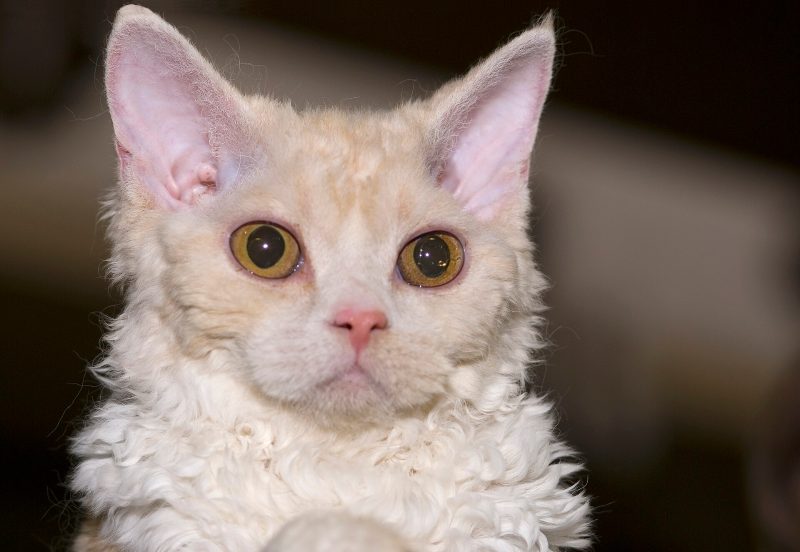
The LaPerm is a medium cat of moderate foreign type, longer than tall, medium-boned and heavier in the hand than it appears. The head is a modified wedge with rounded contours, flared, cupped ears and medium-large almond eyes in any color. The coat is everything. It ranges from a loose, bouncy wave to tight ringlets and corkscrew curls, with the tightest curl at the throat, on the belly and at the base of the ears, and even the whiskers are long and often curly. Longhairs carry a curly ruff, a plumed tail and a light, airy coat that parts to the skin; shorthairs have a crisper, springier texture and a bottle-brush tail. Any color or pattern is permitted, including tabby, tortie, pointed and the unusual Karpati. Kittens may be born bald, sparse or straight-coated and molt before the adult curls arrive, sometimes more than once. A Selkirk Rex is heavier and plusher; a Devon Rex is smaller with a very different head.
Temperament & Personality
LaPerms are gentle, affectionate and people-focused. They seek laps and shoulders, greet owners at the door, and often reach up with a paw to touch a face. They are also clowns: active, inquisitive and playful, inclined to turn any object into a toy and any task into a game. The hunting instinct of their farm ancestry remains strong, which shows in enthusiastic play rather than aggression. The voice is quiet; most LaPerms are not talkers. They are generally easygoing with strangers, patient with children and accepting of other cats and friendly dogs, which makes them good family cats. Energy is moderate to high in bursts, followed by long cuddles. They do not do well with long periods alone and are happiest with company, human or animal. Intelligence is high, so expect doors opened and cupboards investigated.
Exercise & Activity
Two play sessions of 10 to 15 minutes a day, plus a home with places to climb, keep a LaPerm content. Wand toys, fetch with small soft toys and feather teasers bring out the hunter; puzzle feeders and treat hunts engage the clever mind. Provide a cat tree, shelves and a window perch, since the breed enjoys height and watching. Many LaPerms take readily to harness walks in a quiet garden. Boredom looks like shadowing, climbing on you while you work, opening cupboards and carrying objects away. Keep the cat indoors or in a secure enclosure; the light coat offers limited protection from weather, and bare or sparsely coated areas can sunburn, so limit direct sun on pale cats and give shade at windows in summer.
Two short interactive sessions daily, fetch if enjoyed
Vertical space and a window perch
Sun protection for thin-coated areas
Training
LaPerms are smart and eager to interact, which makes them easy students. Clicker training teaches sit, come, high five, fetch on cue and target following in short sessions with tiny treats; many learn to retrieve and to walk on a harness. Litter habits are reliable from kittenhood; keep one box per cat plus one, scooped daily. Provide tall sisal posts and horizontal scratchers in the rooms the cat uses most and reward their use so furniture is spared. Leave the carrier out as a bed and feed treats inside so vet trips are routine. Socialize kittens to handling, visitors, children and other pets early; the breed's easy nature is partly genetic and partly built. There are few sticking points beyond persistence in getting into things; a LaPerm that discovers it can open a drawer will keep opening it, so childproof latches help.
Grooming & Care
The curls hold shed hair the way a poodle's coat does, so LaPerms shed little and rarely mat, but the coat has its own rules. Comb once or twice a week with a wide-toothed or rotating-tooth comb, working gently through the curls; a slicker brush pulls the curl out and can leave a frizzy, flat coat. Longhairs need more frequent attention at the ruff and behind the ears, where small knots can be teased apart with fingers. Occasional bathing is fine when the coat becomes oily; let the cat air-dry or towel it lightly and never blow-dry, which straightens and frizzes the curls. A light mist of water and a shake brings the curl back. Kittens molt, sometimes dramatically, before the adult coat arrives. Trim nails every two to three weeks, check ears monthly and brush teeth several times a week.
Comb one to two times a week; no slicker, no blow dryer
Occasional bath, air-dried
Nails, ears and teeth on the usual schedule
Health
The LaPerm is a healthy breed with no disorder linked to its curl gene and a broad genetic base from years of outcrossing to domestic cats. Lifespan is typically 12 to 15 years. Responsible breeders screen their cats with the general feline DNA panels, and the UC Davis veterinary genetics laboratory lists the LaPerm among breeds in which the pyruvate kinase deficiency mutation, a recessive cause of intermittent anemia, has been found, so asking for that test result is reasonable. Hypertrophic cardiomyopathy, the most common feline heart disease, can occur in any cat and is screened by echocardiogram where indicated. Beyond that, the usual feline concerns apply: dental disease, obesity and kidney problems in later life. Bare or thinly coated skin can sunburn. Ask your vet about an annual exam with dental assessment, weight tracking and senior bloodwork from about ten years old.
Nutrition
Feed a complete and balanced food with a nutritional adequacy statement for the cat's life stage: kitten formula to about twelve months, then adult, with a senior review from ten. LaPerms are moderately active and sturdier than they look, so weight gain can creep up unnoticed under the curls; measure two or three meals a day rather than free feeding and check body condition monthly by feel, since the coat hides the outline. Puzzle feeders suit the breed's playful mind. Wet food adds water for kidney and urinary health, and a fountain encourages drinking. Treats stay under a tenth of daily calories. Longhaired LaPerms benefit from hairball support during molts, especially kittens shedding their first coat. Sitters should feed exactly what the owner measures and report any appetite change. Good nutrition shows in the coat; a dull or thinning curl can be the first sign something is wrong.
Living With This Breed
A LaPerm adapts to almost any home: apartment or house, single owner or busy family, as long as it has company for a good part of the day. It is quiet, clean and not destructive, gets on with children and other pets, and sheds little enough that some allergy sufferers tolerate it, though no cat is hypoallergenic. Keep it indoors, with a secure catio if possible. The light coat means it seeks warmth, so expect it under blankets and on laps.
Sitters: expect a lap cat that greets you and wants to be involved
Never blow-dry or brush the coat flat; comb gently if at all
Provide warm beds and shade from strong sun
Check cupboards and drawers, which LaPerms open
Interesting Facts
The founding cat, Curly, was born bald on a cherry farm in Oregon in 1982 and grew her first curls at a few months old.
Linda Koehl named the breed for its permed look and spelled it with a capital P in the middle.
The LaPerm curl gene is dominant and genetically distinct from the recessive genes of the Cornish and Devon Rex.
Kittens may be born bald, molt their first coat and grow back curlier, sometimes more than once.
Even the whiskers curl, and longhaired LaPerms have whiskers of unusual length.
The LaPerm is the only breed shown in the Karpati pattern, a form of reverse pointing with pale hairs on a dark background.
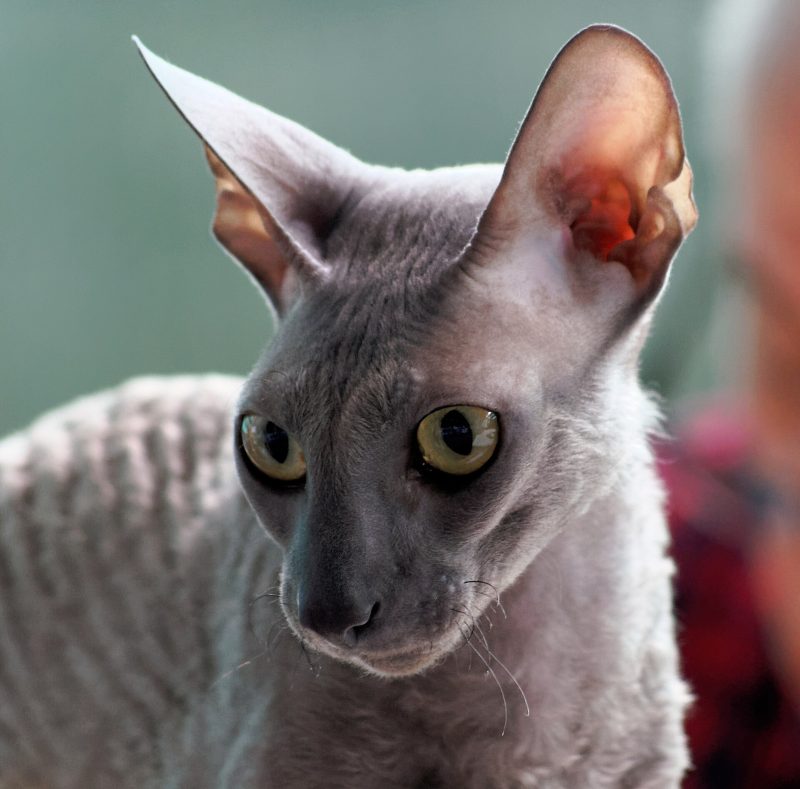
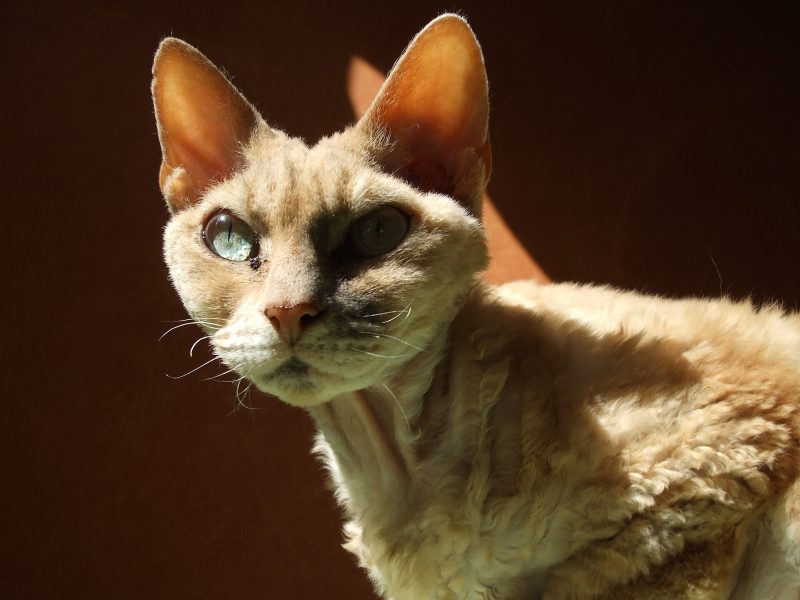
Breeds similar to the LaPerm
What LaPerm owners say
Real pets, photos, stories and tips from the SitterNation community — separate from the editorial guide above.
Log in to add your pet, photos, stories and tips.
Meet LaPerms on SitterNation
No LaPerms have joined yet. Owners can show their pet here from the pet's profile.
LaPerm community photos
No LaPerms photos yet — be the first to share one.
Stories from LaPerm owners
No stories yet. What is life with yours really like?
Tips from LaPerm owners
No tips yet. One practical thing that works for you is enough.
Ask LaPerm owners
No questions yet. Ask the people who live with the breed.