Typical tendencies
Energy level
Needs a real outlet most days.
Good with children
A famously patient playmate for kids.
Good with other dogs
Enjoys most canine company.
Trainability
Lives for the lesson; a trainer's dream.
Shedding
Noticeable, with heavier seasonal blows.
Apartment friendly
Can manage in a flat with plenty of outings.
More traits
Exercise needs
Adaptability
Grooming needs
Drooling
Intelligence
Family friendly
Good with cats
Friendly with strangers
Sociability
Protectiveness
Prey drive
Overview
The Boykin Spaniel is South Carolina's own hunting dog: a medium-sized, solid-brown flushing and retrieving spaniel developed to fit in a small boat and work all day in the swamp. Standing 14 to 18 inches and weighing 25 to 40 pounds, a Boykin is eager, water-loving, friendly and extremely trainable, and it is as devoted to a family on the couch as to a hunter in a blind. It gets along with children, other dogs and most pets, and it is one of the easiest sporting breeds to live with, provided it gets a real job or a real workout every day. Without exercise and mental work it becomes a chewer and a digger. It suits active families, hunters and outdoor people who want a cheerful, manageable partner, and it is a poor match for sedentary homes or anyone who wants a dog that stays dry.
History & Origin
The Boykin story begins around 1900 in Spartanburg, South Carolina, where a banker named Alec White was followed home from church by a small brown stray spaniel he named Dumpy. The dog showed talent as a retriever, and White sent him to his hunting partner, Whit Boykin of Camden, a noted trainer. Boykin developed Dumpy's line, likely crossing in Chesapeake Bay Retrievers, Springer and Cocker Spaniels and the American Water Spaniel, to produce a compact dog for the turkey and duck hunters of the Wateree River swamp, who traveled in narrow section boats and needed a dog small enough not to rock them. The breed stayed a regional secret for decades. The Boykin Spaniel Society formed in 1977 to keep a registry and standard, the state legislature made the Boykin South Carolina's official dog in 1985, and the AKC granted full recognition in the Sporting Group in 2009. September 1 is celebrated in the state as Boykin Spaniel Day.
Appearance
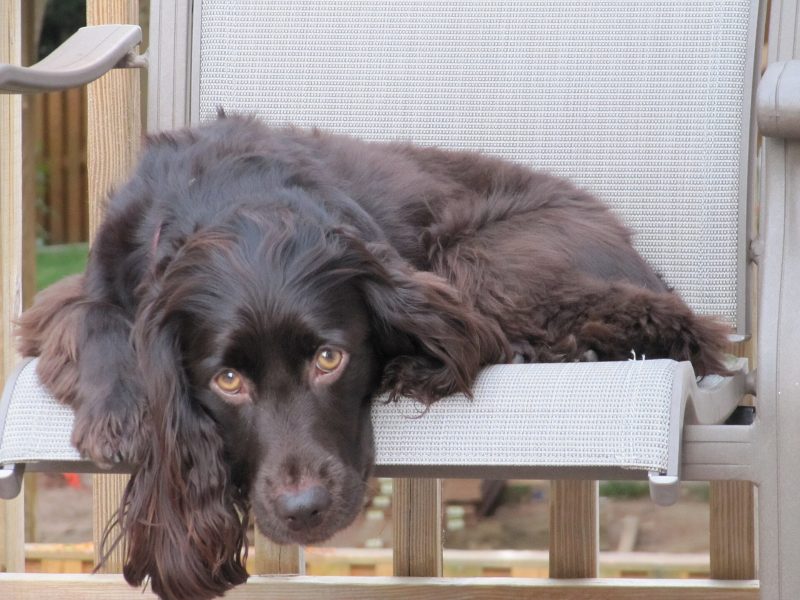
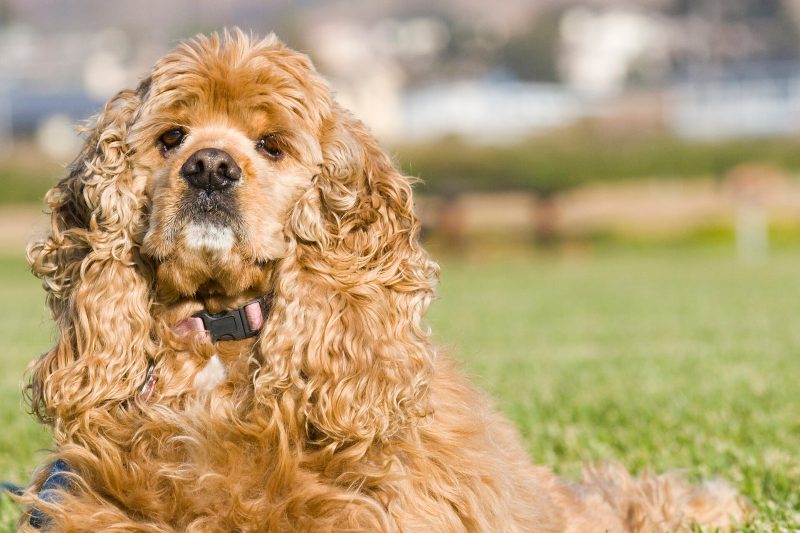
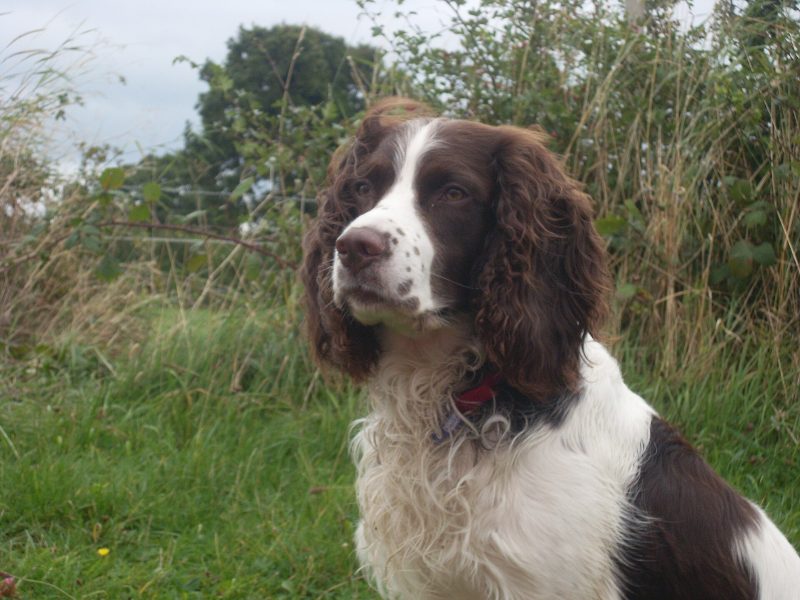
The Boykin is a medium, sturdy spaniel built for endurance rather than flash, slightly longer than tall, with a deep chest, strong hindquarters and webbed toes that help in water. The head is in proportion with a flat or slightly rounded skull, a moderate stop and a broad muzzle, and the ears are set at or slightly above eye level and hang in long feathered flaps. The eyes are yellow to amber and striking against the coat. The tail is traditionally docked to a few inches in the United States. The coat is medium length, flat to moderately curly, with light feathering on the ears, chest, legs and belly, and it is always solid liver, chocolate or dark brown, sometimes with a small white spot on the chest. It is shorter-legged than an English Springer, longer and plainer than a Cocker, and distinguished from the curlier, more compact American Water Spaniel by its wavier coat and larger size.
Temperament & Personality
Boykins are sunny, eager and sociable. They greet strangers as friends, adore children and get along with other dogs and most household pets, and they want to be wherever their people are. The breed is intelligent and biddable with a strong desire to work, which shows up at home as a dog that brings you things, follows you from room to room and waits by the door with a look of hope. They are energetic and enthusiastic without being frantic, and a well-exercised Boykin settles happily indoors. They are not watchdogs beyond an alert bark. Prey drive is real; birds and squirrels will be flushed and chased, and small pets should be introduced thoughtfully. Boykins are soft-tempered and do not take well to harsh handling. They dislike being left alone for long days and can become destructive and vocal.
Exercise & Activity
A Boykin needs 60 to 90 minutes of vigorous activity a day and loves variety: long walks, hiking, running alongside a bike, fetch, swimming and anything that involves retrieving. Water is the breed's element, and a lake, pond or kiddie pool goes a long way. Dock diving, agility, flyball, upland and waterfowl hunting tests, rally and scent work all suit the breed, and a few retrieves in the yard every evening will do if time is short. The Boykin was bred for southern heat and copes with warm weather better than many spaniels, but still needs water and shade on hot days, and it tolerates cold while working but is not a cold-weather kennel dog.
A tired Boykin is a good Boykin; a bored one digs and chews
Dry the ears after every swim
Fenced yards and leashes around birds and roads
Training
Boykins are among the most trainable sporting dogs: bright, attentive, eager to please and food- and retrieve-motivated. Reward-based training with plenty of play works best, and harsh corrections dent their confidence. Start with the basics at eight weeks, keep sessions short and upbeat, and channel the retrieving instinct early with soft dummies and simple marked retrieves. Teach a calm greeting because puppies jump with joy, and a solid recall and leave-it because birds are irresistible. Socialize widely so that the breed's natural friendliness stays intact. Many owners enjoy taking a Boykin through hunt tests or working certificates even if they never hunt, and the breed excels in obedience and agility. Sitters should bring a ball or bumper, ask about recall reliability and expect a dog that offers behaviors in hope of a game.
Grooming & Care
Boykin coats are manageable but not wash-and-wear. Brush thoroughly once or twice a week with a slicker and comb to prevent mats in the ear feathering, armpits and leg furnishings, and more often during spring and fall shedding. Bathe monthly or after muddy or salty outings, and dry the dog thoroughly, especially the ears, because the long, heavy ear flaps trap moisture and the breed is prone to ear infections. Clean ears weekly with a vet-approved solution and trim the hair around the ear canals. Many owners have the coat tidied by a groomer every couple of months and clip it shorter in summer. Trim nails every few weeks, brush teeth several times a week and check feet for seeds and ticks after fieldwork.
Brush weekly, bathe monthly, dry after every swim
Weekly ear cleaning is the key routine
Check for burrs and ticks after time in cover
Health
Boykins typically live 10 to 15 years. The Boykin Spaniel Society publishes a health checklist that responsible breeders follow: hip x-rays at 24 months for hip dysplasia, a patella exam at 12 months, a cardiac exam at 12 months for pulmonic stenosis, an eye exam by a veterinary ophthalmologist for juvenile cataracts and other inherited eye disease, and DNA tests for exercise-induced collapse, collie eye anomaly and degenerative myelopathy. Exercise-induced collapse causes weakness and wobbliness after several minutes of intense excitement and can be life-threatening, so affected dogs need managed activity. Pulmonic stenosis is a congenital narrowing of a heart valve that ranges from harmless to serious. Ear infections, skin allergies and hypothyroidism are the common everyday problems. Ask the breeder for OFA results on both parents, and ask your vet about any collapse episode, murmur or persistent head shaking.
Nutrition
Feed a complete diet appropriate for a medium, active breed and the dog's life stage. Puppies do well on three meals a day until about a year old, then two measured meals for adults. Portions depend on workload: a Boykin hunting several days a week or swimming daily may need noticeably more than a companion dog, and the same dog needs less in the off-season. Boykins love food and will gain weight when under-exercised, so adjust portions to keep a visible waist and ribs that are easy to feel. Most healthy adults on a good diet do not need supplements; ask your vet before adding any. Skin or ear problems that keep returning are worth a diet discussion with your vet. Fresh water should always be available, and more during hot or hard work. Sitters should feed the owner's portions and avoid table food, which encourages a persistent beggar.
Living With This Breed
A Boykin fits best in a house with a fenced yard and access to water, though a committed apartment dweller who runs or hikes daily can manage. It lives indoors with the family and copes with a normal workday alone once it has had a morning workout, but it is not a dog for empty houses. It is excellent with children, friendly with visitors and good with other dogs; cats and birds depend on the individual and early introductions. It is moderately vocal and will announce visitors. Daycare and active boarding suit the breed well, and a sitter who likes long walks will be adored.
Sitters: plan on real exercise, bring a ball or bumper, dry the ears after swims
Secure fences; Boykins follow their noses after birds
Check for ticks and seeds in the coat after outdoor time
Interesting Facts
The breed descends from a single stray named Dumpy who followed a banker home from church in Spartanburg around 1900.
The Boykin was sized to ride in the narrow section boats that turkey hunters paddled down the Wateree River without tipping them over.
South Carolina named the Boykin its official state dog in 1985 and marks Boykin Spaniel Day every September 1.
Fans call the breed the Little Brown Dog or LBD, and the nickname Swamp Poodle comes from the curly coat and the wet habitat.
The Boykin Spaniel Society kept the breed's registry and standard from 1977 until the AKC granted full recognition in 2009.
The breed's golden-amber eyes are one of its hallmarks and are striking against the chocolate coat.
Breeds similar to the Boykin Spaniel
What Boykin Spaniel owners say
Real pets, photos, stories and tips from the SitterNation community — separate from the editorial guide above.
Log in to add your pet, photos, stories and tips.
Meet Boykin Spaniels on SitterNation
No Boykin Spaniels have joined yet. Owners can show their pet here from the pet's profile.
Boykin Spaniel community photos
No Boykin Spaniels photos yet — be the first to share one.
Stories from Boykin Spaniel owners
No stories yet. What is life with yours really like?
Tips from Boykin Spaniel owners
No tips yet. One practical thing that works for you is enough.
Ask Boykin Spaniel owners
No questions yet. Ask the people who live with the breed.