
Typical tendencies
Energy level
Ready to go when you are, settles after.
Good with children
A famously patient playmate for kids.
Good with other dogs
Enjoys most canine company.
Trainability
Quick to learn and keen to please.
Shedding
Noticeable, with heavier seasonal blows.
Apartment friendly
Settles well into smaller homes.
More traits
Exercise needs
Adaptability
Grooming needs
Drooling
Intelligence
Family friendly
Good with cats
Friendly with strangers
Sociability
Protectiveness
Prey drive
Overview
The Cocker Spaniel, the American breed the AKC simply calls the Cocker Spaniel, is the smallest member of the Sporting Group and one of the most recognizable dogs in the country. With its domed head, long silky ears and soulful expression, it was America's most popular breed for decades, and it remains a gentle, merry companion that fits apartments and houses alike. It suits families, first-time owners and older people who want a moderately active dog that enjoys walks and play but does not demand marathon exercise. The trade-offs are grooming and health. The flowing coat needs brushing several times a week and a professional trim every month or so, the ears need constant attention, and the breed carries a longer list of inherited eye, ear and skin conditions than many. Choose a breeder who health-tests and expect to budget for grooming, and the Cocker gives back a great deal of affection.
History & Origin
Cockers descend from the small land spaniels of Britain that were used to flush woodcock, which gave the breed its name. Spaniels reached America by the late 1800s, and the American Kennel Club recognized the Cocker Spaniel in 1878, among the first breeds in its stud book. The American Spaniel Club followed in 1881. A dog named Obo II, son of the English champion Obo, became the foundation sire of the American line in the 1880s, and over the following decades American breeders selected for a smaller, more compact dog with a rounder skull, a shorter muzzle and a far heavier coat than its English cousins. The two types drifted so far apart that the English Cocker Spaniel Club of America was formed in 1935 to preserve the English dog, and the AKC recognized the English Cocker as a separate breed in 1946. The Cocker topped American registrations from 1936 to 1952 and again from 1983 to 1990.
Appearance
This is a small, sturdy dog standing 13.5 to 15.5 inches and weighing 20 to 30 pounds, with a short back that slopes slightly from the shoulders to the tail. The head is the breed's signature: a rounded skull, a pronounced stop, a square muzzle, and large, dark, slightly almond eyes that give the famous melting expression. The ears are set low, long and heavily feathered. The coat is silky, flat or slightly wavy, short on the head and body but falling into long feathering on the ears, chest, belly and legs; in full show trim the dog looks as if it is wearing a skirt. The breed is shown in three varieties: black, including black and tan; any solid color other than black, called ASCOB, which covers buff, red and brown; and parti-color. Compared with an English Cocker it is smaller, rounder in the skull, shorter in the muzzle and much more heavily coated.
Temperament & Personality
A well-bred Cocker is merry, affectionate and gentle, with an even temperament that makes it a natural with children and older adults. It is sociable with strangers after a moment's greeting and usually easygoing with other dogs and cats. It enjoys a game of fetch, a swim and a nose-down ramble, but it is equally content on the sofa and bonds tightly to its household. Cockers are sensitive and some are soft to the point of submissiveness; submissive urination when greeted or scolded is not unusual, especially in young dogs, and it fades with calm handling. Temperament varies more in this breed than in some others because of its long run of popularity, and poorly bred dogs can be nervous, snappy or prone to resource guarding. Meeting the parents and choosing a careful breeder matters. Most Cockers bark to announce visitors but are not persistent barkers once settled.
Exercise & Activity
Cockers have moderate energy and are flexible about how they get it. Two walks a day totaling 45 minutes to an hour, plus some play, keeps most adults fit and content. They were bred to hunt, and many still enjoy retrieving, swimming, and nose work, which engages the mind as well as the body. Sports like agility, rally and scent trials suit the breed well at its size. They handle cool weather comfortably but the heavy coat can overheat in summer, so stick to shade and the cooler hours and keep water handy. A Cocker that is under-exercised or bored is more likely to gain weight and to develop nuisance habits.
Barking at passersby and window watching
Chewing and raiding trash
Restless pacing and demand barking in the evening
Training
Cockers are eager to please and respond beautifully to reward-based training using food, toys and praise. They learn basic manners quickly and enjoy trick training. The main hurdles are excitability and sensitivity: a young Cocker may be too thrilled to concentrate, and a harsh correction will make it anxious rather than obedient. Keep sessions short, calm and upbeat. Housetraining usually goes smoothly with a consistent routine. Early, broad socialization is important because this breed can tip toward shyness or defensiveness if sheltered. Teach puppies to accept handling of the ears, feet, mouth and coat from day one, since grooming will be a lifelong routine and a dog that fights the brush makes life hard for everyone. If your dog guards food or toys, address it early with trading games and ask a positive-reinforcement trainer for help rather than confronting the dog.
Grooming & Care
Grooming is the biggest daily commitment of Cocker ownership. The silky coat mats quickly, especially behind the ears, in the armpits and on the legs, so brush and comb thoroughly two to three times a week, working down to the skin. Most pet Cockers are kept in a shorter trim and visit a professional groomer every four to six weeks for bathing, clipping and tidying. Shedding is moderate. The long ears are prone to infections because they block airflow and dip into water and food bowls; check and clean them weekly, dry them after swimming, and consider a snood at mealtimes. Wipe the face daily to clear tear staining and keep the hair around the eyes trimmed. Trim nails every two to three weeks and brush teeth regularly. Hair between the pads should be trimmed to prevent slipping and matting.
Brushing: 2 to 3 times a week
Professional grooming: every 4 to 6 weeks
Ears: weekly checks and cleaning
Health
Cockers live 10 to 14 years, and a long history of popularity has left the breed with several well-documented inherited problems. Eyes are the top concern: cataracts, progressive retinal atrophy, glaucoma, dry eye, cherry eye and extra eyelashes are all seen, and the breed is among those most often affected by primary angle closure glaucoma, which is a painful emergency. Ear infections are extremely common because of the heavy ears. Skin problems include allergies and primary seborrhea, a greasy, scaly skin disorder. Orthopedic conditions include hip dysplasia, patellar luxation and Legg-Calve-Perthes disease. Immune-mediated hemolytic anemia and thrombocytopenia, hypothyroidism, heart disease and pancreatitis appear more often than average. The American Spaniel Club's health registry requires an OFA hip evaluation and a CAER eye exam for a CHIC number, with annual eye checks, PRA DNA testing and cardiac evaluation also recorded. Sudden squinting, a cloudy or red eye, or head shaking warrants a prompt call to your vet.
Nutrition
Cockers love food and gain weight easily, so measured meals are essential. Feed a complete diet in two portions a day and adjust to body condition; the coat hides a thickening waist, so feel for ribs monthly. Puppies should eat a growth diet appropriate for small to medium breeds until about ten to twelve months. Because pancreatitis is reported more often in the breed, avoid rich table scraps and fatty treats, and ask your vet before adding oils or supplements to the bowl. Dogs with recurrent ear or skin trouble sometimes have food sensitivities, and a vet-supervised elimination trial is the reliable way to find out. Feeding from a narrow, deep bowl keeps the ears out of the food. Fresh water should always be available. Treats used in grooming and training are valuable but should be counted toward the daily total; many Cockers are happy to work for pieces of their regular kibble.
Living With This Breed
The Cocker is one of the sporting breeds best suited to apartment life, provided it gets its daily walks. It prefers moderate climates and should not be left in heat with its heavy coat. It is gentle with children, usually good with other dogs and cats, and happiest with people around; it tolerates a working day better than some breeds but may bark or become anxious if routinely left alone all day. It is not much of an escape artist, though it will follow a scent through an open gate. Expect hair and muddy feathering and a dog that wants to be near you.
For sitters: dry the ears after any water and keep them out of the food bowl
Brush out tangles before they tighten
Greet calmly to avoid submissive urination
Keep walks to the cool part of the day in summer
Interesting Facts
The Cocker Spaniel is the smallest breed in the AKC Sporting Group and was recognized in 1878, among the club's very first breeds.
Lady in Disney's 1955 film Lady and the Tramp is a Cocker Spaniel, and the movie sent demand for the breed soaring.
Ch. My Own Brucie won Best in Show at Westminster in both 1940 and 1941 and was famous enough to make newspaper obituaries.
The Cocker held the number one spot in American registrations for a total of 25 years across two separate eras.
The breed's name comes from the woodcock, the bird these small spaniels were originally bred to flush.
Richard Nixon's black and white Cocker, Checkers, gave his name to one of the most famous political speeches in American history.
Breeds similar to the Cocker Spaniel

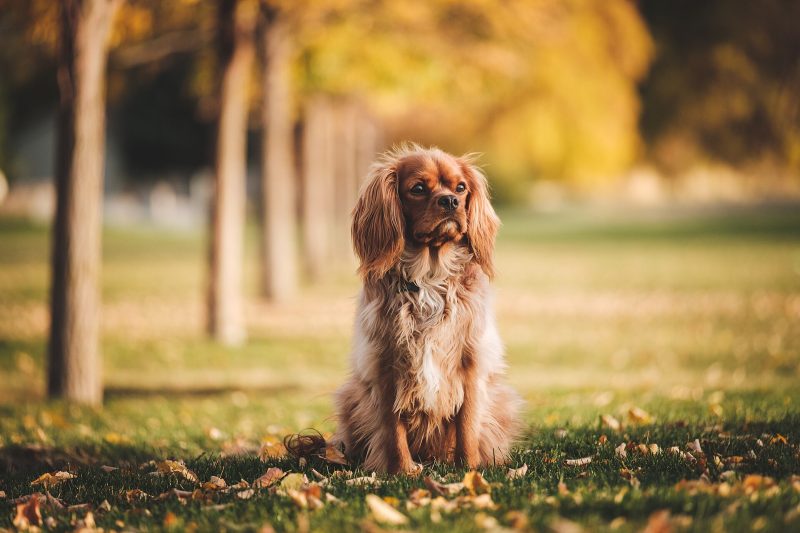
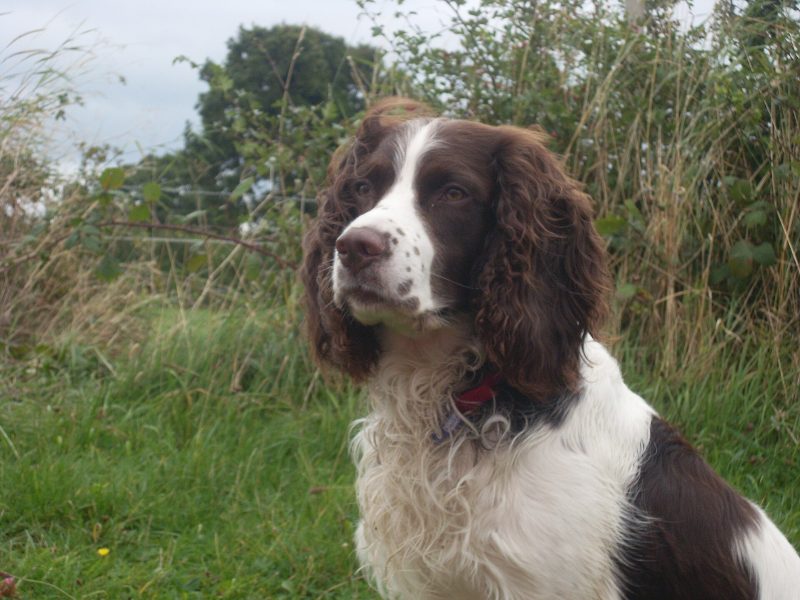

Popular Cocker Spaniel crosses
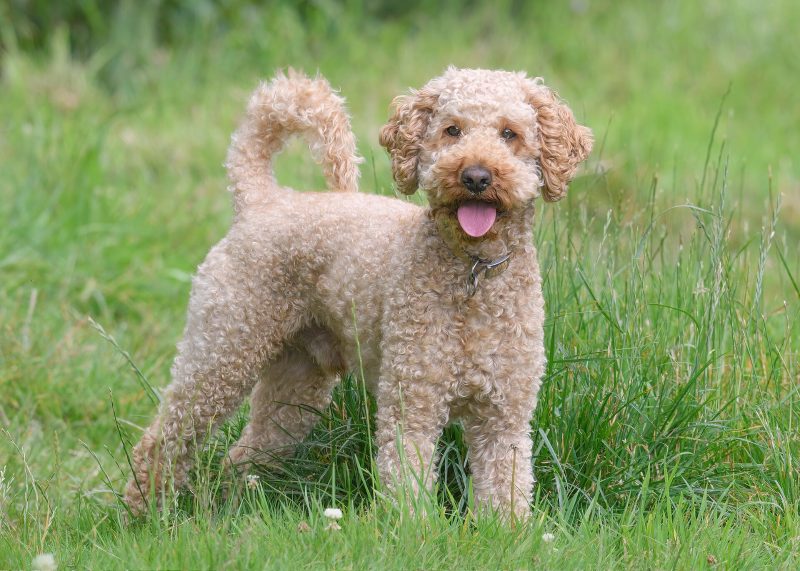
What Cocker Spaniel owners say
Real pets, photos, stories and tips from the SitterNation community — separate from the editorial guide above.
Log in to add your pet, photos, stories and tips.
Meet Cocker Spaniels on SitterNation
No Cocker Spaniels have joined yet. Owners can show their pet here from the pet's profile.
Cocker Spaniel community photos
No Cocker Spaniels photos yet — be the first to share one.
Stories from Cocker Spaniel owners
No stories yet. What is life with yours really like?
Tips from Cocker Spaniel owners
No tips yet. One practical thing that works for you is enough.
Ask Cocker Spaniel owners
No questions yet. Ask the people who live with the breed.