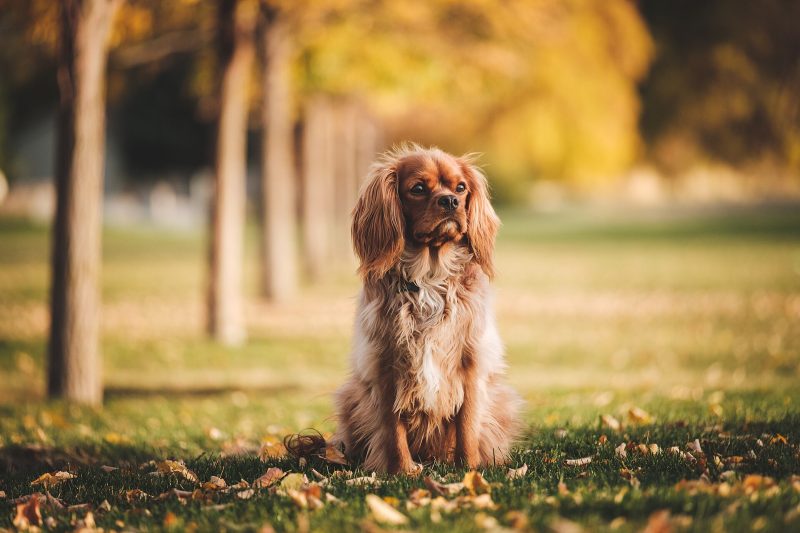
Typical tendencies
Energy level
Ready to go when you are, settles after.
Good with children
A famously patient playmate for kids.
Good with other dogs
Loves every dog at the park.
Trainability
Quick to learn and keen to please.
Shedding
Noticeable, with heavier seasonal blows.
Apartment friendly
A natural fit for city living.
More traits
Exercise needs
Adaptability
Grooming needs
Drooling
Intelligence
Family friendly
Good with cats
Friendly with strangers
Sociability
Protectiveness
Prey drive
Overview
The Cavalier King Charles Spaniel is the companion dog refined to its essence: gentle, affectionate, adaptable and happiest within arm's reach of a person. Bred to recreate the toy spaniels of seventeenth-century portraits, it combines a soft, melting expression with enough sporting spaniel underneath to enjoy a country walk or a game of fetch. Cavaliers suit almost everyone who is home enough to enjoy them: families with children, seniors, first-time owners and apartment dwellers. They get along with other dogs, cats and visitors, and they are easy to train.
The things to weigh before choosing one are health and time. The breed carries a heavy burden of inherited heart disease and some neurological problems, so buying from a breeder who tests is essential, and a Cavalier left alone all day will be unhappy. For the right home it is a near-perfect small dog.
History & Origin
Small spaniels warmed the laps of English nobility from Tudor times, and King Charles II was so devoted to his that the type took his name. Over the 1800s fashion favored a flatter face and domed head, and the longer-nosed dogs of the old paintings all but vanished into what is now the King Charles Spaniel, known in America as the English Toy Spaniel.
In 1926 an American visitor, Roswell Eldridge, offered prizes at Crufts for five years for dogs resembling the spaniels in the old portraits. A handful of breeders took up the challenge, founded a club in 1928 and modeled the standard on a dog called Ann's Son. The Kennel Club recognized the Cavalier as a separate breed in 1945. In the United States a dedicated club kept its own registry from 1954 and resisted AKC recognition for decades; the AKC finally recognized the breed in 1995, with full competition beginning on January 1, 1996. The Cavalier has since become one of the most popular toy breeds in both countries.
Appearance
The Cavalier is a small, elegant spaniel standing 12 to 13 inches and weighing 13 to 18 pounds, slightly longer than tall, with a free, graceful gait. The head is its fortune: a nearly flat skull, a tapering muzzle about an inch and a half long, large round dark eyes set well apart and long, high-set ears covered in feathering. The expression is sweet and a little wistful. The body is moderate in bone with a level back and a tail carried happily but not above the back.
The silky coat is medium length, straight or slightly wavy, with generous feathering on the ears, chest, legs, feet and tail, and it is shown untrimmed. Four colors are recognized: Blenheim (chestnut on pearly white, often with a lozenge spot on the head), tricolor (black and white with tan points), ruby (solid rich red) and black and tan. The English Toy Spaniel is the look-alike, with a domed head, pushed-in nose and lower-set ears.
Temperament & Personality
Cavaliers are affectionate with everyone and strangers to nobody. They greet visitors as long-lost friends, make poor watchdogs beyond a polite bark and want to be touching a person whenever possible. They are gentle and patient with children, excellent with other dogs and usually fine with cats, though some will chase birds and squirrels with surprising speed thanks to their sporting heritage.
Indoors they are calm and cuddly once exercised; outdoors they are cheerful explorers with their noses down. They are sensitive to tone of voice and wilt under harsh treatment. The great weakness of the temperament is dependence: Cavaliers were bred to be with people, and many struggle with separation, which can show as barking, pacing or destructive chewing. They are rarely aggressive, rarely stubborn and rarely noisy. What you get is a sweet-natured, adaptable dog whose mood tracks yours.
Exercise & Activity
A Cavalier needs around 45 to 60 minutes of activity a day, but it is flexible about how. A couple of brisk walks, a game of fetch in the yard and some play indoors keep most dogs fit and content, while more athletic Cavaliers happily hike for hours or compete in agility and rally. Walk on leash or in a fenced area, because the breed has little traffic sense and a surprising chase instinct. Scent games, puzzle feeders and short training sessions satisfy the mind.
Cavaliers are prone to weight gain and to heart disease, so regular moderate exercise matters, but watch for coughing, tiring quickly or breathlessness and report them to your vet. The breed does not tolerate heat well; walk early and late in summer and never leave one in a car. Under-exercised Cavaliers become restless, bark more and gain weight.
45 to 60 minutes a day of walks and play
Always leashed or fenced; strong chase instinct
Avoid heat and watch for exercise intolerance
Training
Cavaliers are among the easiest toy breeds to train because they want to please and are motivated by food, praise and affection in roughly equal measure. They learn basic manners quickly, housetrain reasonably well with a consistent schedule and rarely argue. Their sensitivity means that a raised voice or rough handling sets training back; keep everything upbeat and brief.
The main work is building independence. Teach the puppy to settle alone in a crate or pen for short, gradually lengthening periods from the first week so that separation does not become a crisis later. Recall needs steady practice because a Cavalier on the trail of a bird forgets everything else. Socialization is easy, since most Cavaliers love everyone, but still expose them to a range of sights and sounds. The breed excels in therapy work, rally, obedience, agility and scent work, and many enjoy trick training as a way to earn attention.
Grooming & Care
The Cavalier's coat is long enough to need regular care but forgiving. Brush two or three times a week with a pin brush and a comb, concentrating on the ears, behind the elbows, the trousers and between the toes, where mats form. Bathe every three to four weeks or as needed; the silky coat dries quickly. The breed is shown natural, but many owners have the feet and sanitary areas trimmed, and some keep a shorter pet clip.
The long, heavily feathered ears cover the ear canals and trap moisture, so check them weekly, clean with a vet-approved product when needed and watch for head shaking or odor. Clean around the eyes daily to prevent staining. Shedding is moderate and year round. Trim nails every two to three weeks and brush teeth several times a week, since small dogs accumulate tartar quickly.
Brush 2 to 3 times a week; mats behind ears and elbows
Weekly ear checks; prone to infections
Nails, teeth and eye cleaning on a routine
Health
Health is the serious conversation to have before getting a Cavalier. Mitral valve disease, a degenerative heart condition, is the breed's leading cause of death: murmurs often appear in middle age and most Cavaliers develop the disease by old age, far earlier than in other breeds. Responsible breeders have a veterinary cardiologist examine breeding dogs annually and follow protocols based on the age at which parents and grandparents remained murmur-free.
Syringomyelia, in which fluid-filled cavities form in the spinal cord because the skull is too small for the brain, causes neck pain and phantom scratching, usually appearing between six months and three years; MRI is the only diagnostic test. Breeders also screen eyes, patellas and hips, and DNA tests exist for episodic falling syndrome and dry eye curly coat syndrome. Ear infections, a middle-ear condition called PSOM, pancreatitis and a harmless platelet abnormality are also common. UK veterinary records put median longevity nearer 11 to 12 years. Ask your vet to listen to the heart at every visit and about any coughing, scratching or pain.
Nutrition
Cavaliers love food and are built to gain weight, so measured meals and a watchful eye on body condition are the foundation of feeding. Puppies do well on a small-breed growth food three times a day until about six months, then two meals a day for life. Adults need a complete food appropriate to their modest activity level; most require less than the package suggests. You should feel ribs easily under the silky coat and see a waist from above.
Treats, chews and tidbits from children at the table add up quickly. Extra weight burdens a heart that may already be compromised, so lean is the target throughout life. Dogs diagnosed with heart disease, pancreatitis or kidney problems may need specific diets that your vet will recommend. Because the breed is prone to pancreatitis, avoid fatty table scraps entirely. Dental health benefits from brushing and appropriate chews.
Living With This Breed
Cavaliers fit into almost any home, from a studio apartment to a farmhouse, provided someone is around most of the day. They are indoor dogs that should never live outside and are sensitive to heat. They are superb with children, elderly people and other pets, and they travel well. The hard limit is time alone: a few hours is manageable for a well-prepared adult, but a full workday every day leads to distress, and a dog walker, daycare or a second dog is a sensible plan.
They are not escape artists but will follow their nose through an open gate. A sitter should know the dog's heart status and any medication schedule, keep walks moderate in heat, avoid rich treats, brush the ears and expect a dog that wants to be on their lap within minutes of meeting them. Daycare suits most Cavaliers well.
Needs company; plan for working days
Know heart status and medication times
Gentle with kids, other dogs and cats
Interesting Facts
The chestnut spot on the head of some Blenheim Cavaliers is called the lozenge, and legend says the Duchess of Marlborough pressed her thumb there while awaiting news from the Battle of Blenheim.
King Charles II was said to be so attached to his spaniels that he let them into Parliament and state occasions, giving rise to a persistent myth that they still have that right.
Roswell Eldridge, the American whose Crufts prize revived the breed, died before he could see the first Cavaliers that met his description.
Cavaliers are famously adaptable: the same dog can bounce along a hiking trail in the morning and nap on a hospital patient's bed in the afternoon as a therapy dog.
The breed's rise in the United States was slowed by its own club, which kept the Cavalier out of the AKC for forty years to protect its health and type.
Ruby and black and tan Cavaliers are called whole colors, while Blenheim and tricolor are called particolors.
Breeds similar to the Cavalier King Charles Spaniel
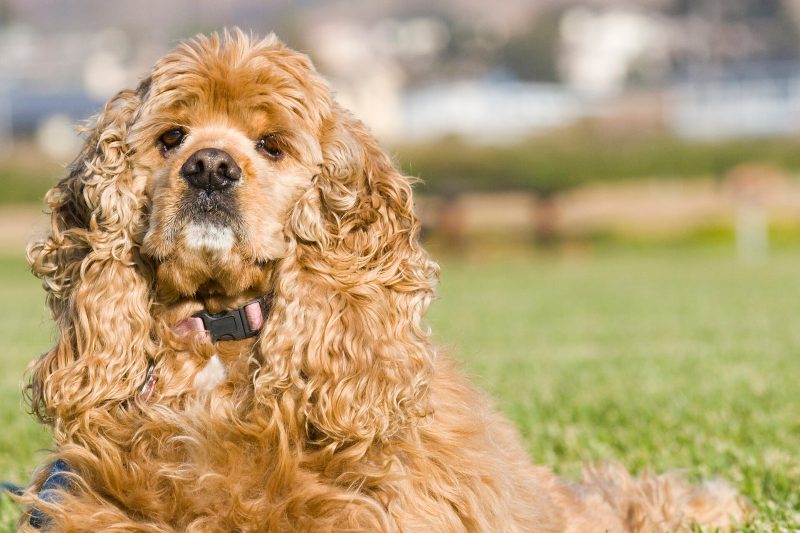
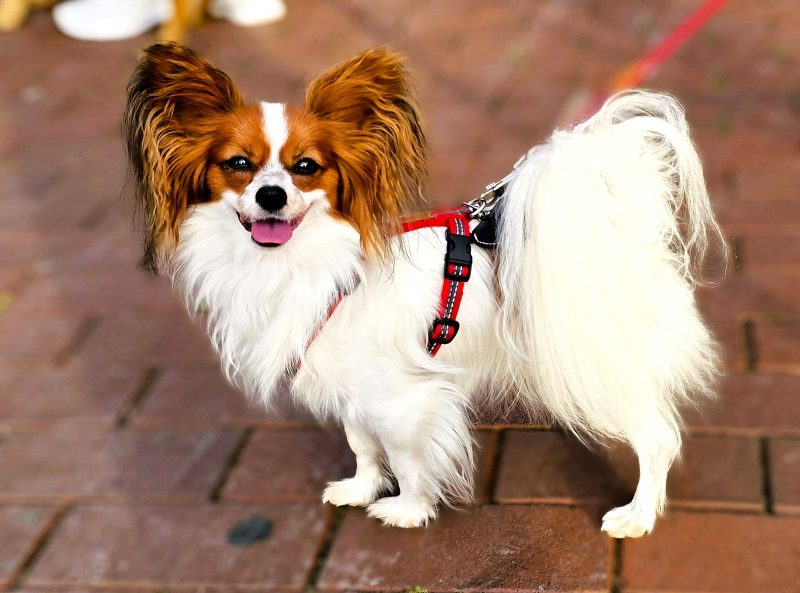
Popular Cavalier King Charles Spaniel crosses
What Cavalier King Charles Spaniel owners say
Real pets, photos, stories and tips from the SitterNation community — separate from the editorial guide above.
Log in to add your pet, photos, stories and tips.
Meet Cavalier King Charles Spaniels on SitterNation
No Cavalier King Charles Spaniels have joined yet. Owners can show their pet here from the pet's profile.
Cavalier King Charles Spaniel community photos
No Cavalier King Charles Spaniels photos yet — be the first to share one.
Stories from Cavalier King Charles Spaniel owners
No stories yet. What is life with yours really like?
Tips from Cavalier King Charles Spaniel owners
No tips yet. One practical thing that works for you is enough.
Ask Cavalier King Charles Spaniel owners
No questions yet. Ask the people who live with the breed.