Typical tendencies
Energy level
Ready to go when you are, settles after.
Good with children
A famously patient playmate for kids.
Good with other dogs
Loves every dog at the park.
Trainability
Quick to learn and keen to please.
Shedding
Barely a hair on the sofa.
Apartment friendly
A natural fit for city living.
More traits
Exercise needs
Adaptability
Grooming needs
Drooling
Intelligence
Family friendly
Good with cats
Friendly with strangers
Sociability
Protectiveness
Prey drive
Overview
The Havanese is the small dog for people who want a true companion rather than a lap ornament. Bred in Cuba to live indoors with families, it is cheerful, sturdy for its size, and happiest when it is in the same room as its people. It gets along with children, other dogs and most cats, greets visitors as friends, and adapts to a city apartment as easily as a suburban house. Exercise needs are modest, but the long, silky coat is a real commitment: plan on brushing several times a week or keeping it in a shorter pet trim. The main thing to understand before bringing one home is that this breed does not do well left alone for long stretches. If your household is out all day, a Havanese will need a sitter, a daycare spot or a companion animal. For retirees, families and remote workers, it is one of the easiest small breeds to live with.
History & Origin
The Havanese belongs to the bichon family, a group of small white companion dogs that spread around the western Mediterranean centuries ago. Spanish and Italian traders carried these little dogs to Cuba, where a distinct type developed in the households of Havana's wealthy families. The early Cuban dog, known as the Blanquito de la Habana, was later crossed with poodles and other small breeds to produce the silky, multicolored dog we know today. Cuba's 1959 revolution nearly ended the breed. Only a handful of dogs left the island with emigrating families, and in the 1970s a small group of American enthusiasts began building a breeding program from those survivors. The Havanese Club of America was formed in 1979, and the American Kennel Club admitted the breed to the Toy Group in 1996. Since then it has climbed steadily in popularity and is now Cuba's recognized national dog.
Appearance
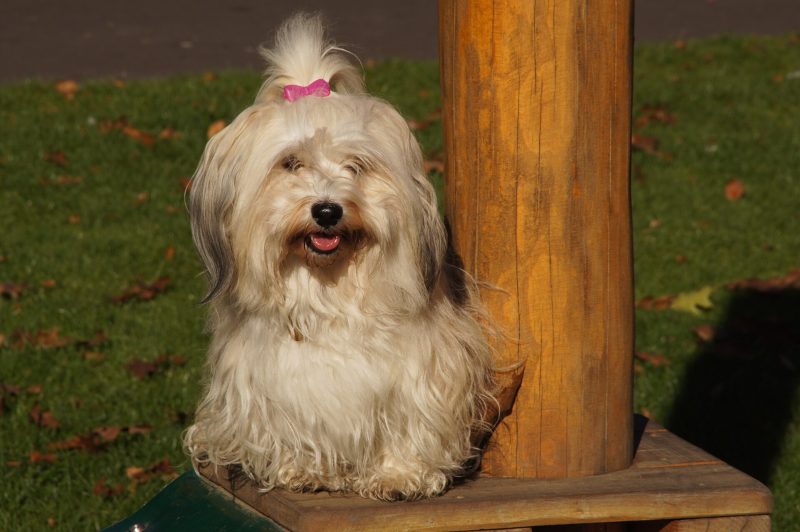
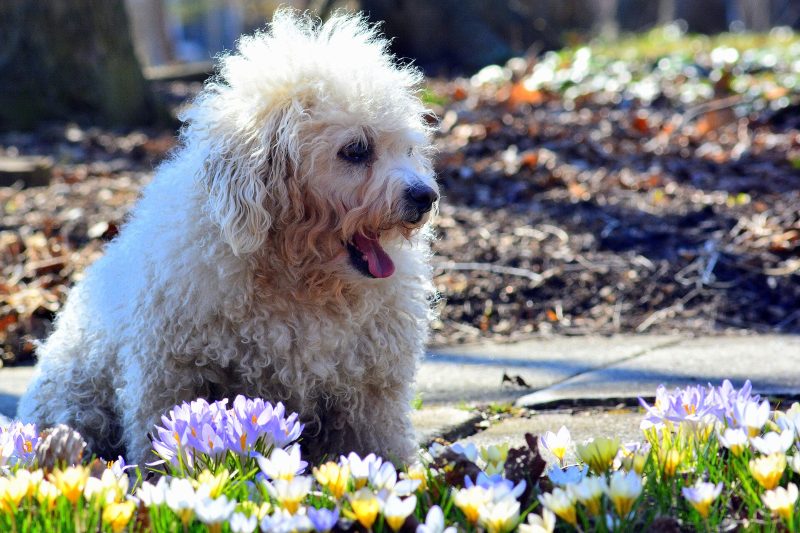
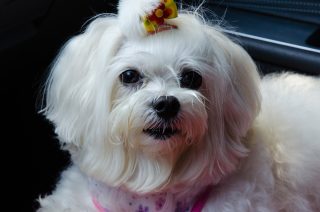
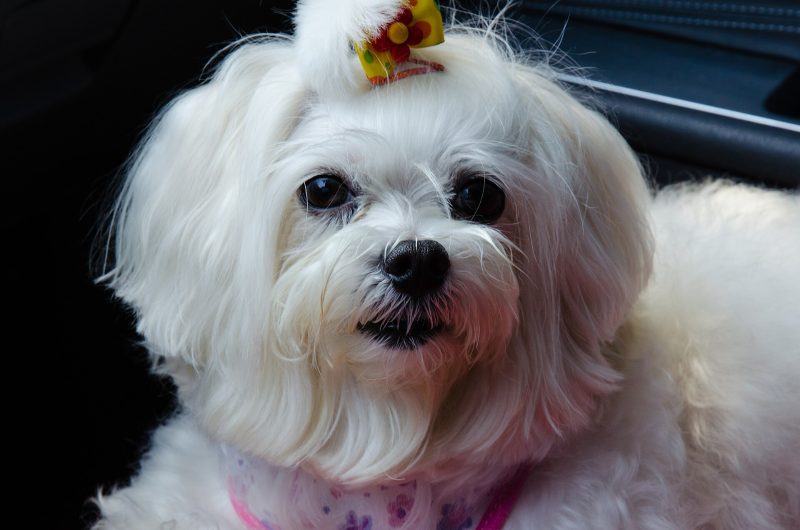
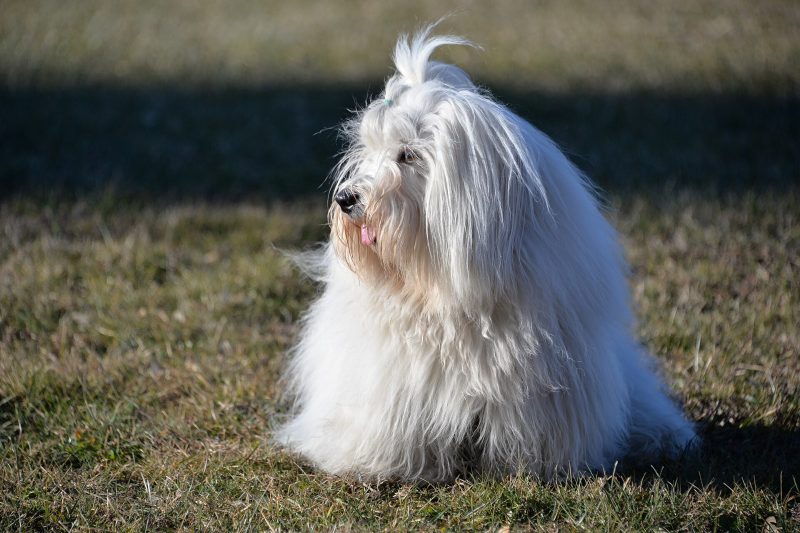
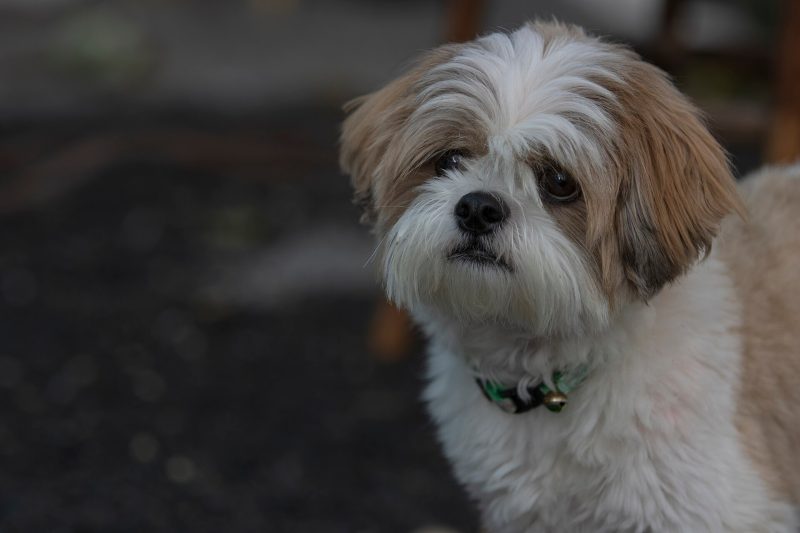
A Havanese is a small but solid dog that stands a little longer than it is tall, with a slightly rising topline that gives it a distinctive springy, bouncy trot. The head is broad with a moderate stop, large dark almond-shaped eyes, and drop ears covered in long fringe. The plumed tail arcs forward over the back. What sets the breed apart from look-alikes is the coat: long, soft and silky, usually wavy rather than curly, with a light undercoat. Any color or combination is acceptable, from pure white and cream through gold, sable, chocolate and black to brindle and parti-color. Compared with a Maltese it is bigger-boned and comes in colors; compared with a Bichon Frise its coat hangs rather than puffs; compared with a Shih Tzu its muzzle is longer and its eyes are less prominent. Some owners cord the coat, which gives a dreadlock-like look.
Temperament & Personality
The breed was developed to be a house companion, and that shows. A Havanese is affectionate, playful and attentive, with a sense of humor that earned it the nickname of a clown. Most are friendly with strangers once they have had a moment to look them over, and they rarely show aggression. They are gentle with children and tolerant of other dogs and cats. Indoors they settle easily, but they are not couch potatoes; expect bursts of zoomies and a dog that follows you from room to room. They are watchful and will announce visitors, though most stop barking once greeted. The flip side of this devotion is a tendency toward separation anxiety. A Havanese left alone for long hours may whine, bark or become destructive. Early habits matter: teach puppies to tolerate short absences and give them a safe, comfortable space.
Exercise & Activity
Havanese have moderate energy and do not need long runs, but they do need daily activity and mental engagement. A couple of short walks totaling 30 to 45 minutes plus indoor play usually satisfies an adult. They love games of fetch down a hallway, hide-and-seek with treats, and learning tricks, which doubles as exercise for the mind. Many enjoy agility, rally and obedience at a level suited to their size. Because they are small and low to the ground, they feel cold quickly and may need a coat in winter, and a long or dark coat can heat up in summer sun, so walk in the cooler parts of the day. A bored Havanese tends to bark, shred paper or chew. Signs you need to add more activity:
Frantic greetings and racing around the house in the evening
Barking at every sound outside
Chewing on shoes, cushions or furniture legs
Training
This is an easy breed to train if you keep it positive. Havanese are bright, eager to please and food motivated, and they pick up house manners, basic cues and tricks quickly. Harsh corrections backfire; a Havanese that is scolded tends to shut down or become anxious rather than comply. Housetraining can take longer than with larger breeds, partly because small bladders need frequent trips outside and partly because accidents are easy to miss. A consistent schedule, crate training and generous rewards for going outdoors solve most problems. Socialize puppies widely to people, surfaces, sounds and other dogs so their natural friendliness carries into adulthood without shyness. Teach a quiet cue early, since alert barking is common. Because they are so people-oriented, the most important training exercise is often teaching the dog to relax alone for gradually longer periods.
Grooming & Care
The coat is the breed's main workload. A full-length coat needs thorough brushing and combing two to four times a week, with a slicker and a metal comb down to the skin, to prevent mats behind the ears, in the armpits and around the collar. Many pet owners choose a puppy cut of one to two inches, which cuts brushing to a quick once-over every few days and a professional trim every six to eight weeks. Bathe every two to four weeks. Shedding is light, since loose hair tends to stay in the coat until brushed out, but no dog is truly hypoallergenic. Keep the hair above the eyes tied up or trimmed, and wipe the face daily to limit tear staining. Check and clean the drop ears weekly, trim nails every two to three weeks, and brush teeth several times a week; small breeds are prone to dental disease.
Brushing: every other day for long coats
Professional grooming: every 6 to 8 weeks if trimmed
Shedding: low
Health
Havanese are generally long-lived, with 14 to 16 years typical. The conditions seen most often are orthopedic and ocular. Patellar luxation, in which the kneecap slips out of its groove, is common in toy breeds and ranges from an occasional skip to lameness that needs surgery. Hip dysplasia and Legg-Calve-Perthes disease, a loss of blood supply to the head of the femur in young dogs, also occur. Cataracts and other inherited eye problems are a recognized concern, which is why the parent club asks for annual eye exams. Chondrodysplasia and chondrodystrophy, the short-legged body type shared with several breeds, can be associated with bowed front legs and disc disease. Deafness, heart murmurs and liver shunts are seen less often. Responsible breeders screen breeding stock through OFA for hips and patellas and submit annual CAER eye exams and BAER hearing tests; many add cardiac checks. If your dog skips on a back leg, squints, or seems reluctant to jump, ask your vet.
Nutrition
A Havanese needs surprisingly little food, and overfeeding is the most common nutritional mistake. Choose a complete diet formulated for small breeds, which uses smaller kibble and a calorie density suited to a fast metabolism, and measure portions rather than filling the bowl. Puppies do best on three or four small meals a day until about six months, then two meals for life; toy puppies can develop low blood sugar if they go too long without eating. Adults vary from under a cup of food a day for a quiet seven-pound dog to somewhat more for an active thirteen-pound one, so adjust to body condition: you should feel ribs easily under a light fat cover. The long coat hides weight gain, so run your hands over the dog monthly. Treats should stay under ten percent of calories. Fresh water should always be available. Ask your vet before changing diets for a dog with a sensitive stomach, dental trouble or a diagnosed liver condition.
Living With This Breed
Few breeds fit as many homes as the Havanese. It thrives in apartments, does not need a yard, and is quiet enough for close neighbors once alert barking is managed. It handles moderate climates well but should not be left outside in heat or cold. It is excellent with respectful children and usually fine with other dogs and cats, though a toy dog should be supervised around very young kids and large, boisterous dogs. The real constraint is time alone; four to five hours is a reasonable ceiling for most adults. Escape habits are minimal, but they will follow an open door to find you.
For sitters: expect a velcro dog that wants to be in your lap or at your feet
Keep the coat dry and brush out any burrs after walks
Watch for steps and furniture jumps that stress small knees
Daycare suits most Havanese, provided groups are matched by size
Interesting Facts
The Havanese is Cuba's only native breed and was formally named the country's national dog.
The modern American population traces back to a few dozen dogs that left Cuba with emigrating families after 1959.
The breed is known for a springy gait caused by its slightly longer-than-tall build and rising topline; show judges look for the bounce.
The FCI calls it the Bichon Havanais, and it shares ancestry with the Bichon Frise, Maltese and Bolognese.
Its coat can be grown into cords, like a tiny Puli, and corded Havanese are accepted in the show ring.
Writers and royals, including Charles Dickens and Queen Victoria, are often said to have kept Havanese-type dogs in the 1800s.
Breeds similar to the Havanese

What Havanese owners say
Real pets, photos, stories and tips from the SitterNation community — separate from the editorial guide above.
Log in to add your pet, photos, stories and tips.
Meet Havaneses on SitterNation
No Havaneses have joined yet. Owners can show their pet here from the pet's profile.
Havanese community photos
No Havaneses photos yet — be the first to share one.
Stories from Havanese owners
No stories yet. What is life with yours really like?
Tips from Havanese owners
No tips yet. One practical thing that works for you is enough.
Ask Havanese owners
No questions yet. Ask the people who live with the breed.