Typical tendencies
Energy level
Calm at home with short bursts of play.
Good with children
Gentle and tolerant around children.
Good with other dogs
Enjoys most canine company.
Trainability
Picks up cues with steady, short sessions.
Shedding
Barely a hair on the sofa.
Apartment friendly
A natural fit for city living.
More traits
Exercise needs
Adaptability
Grooming needs
Drooling
Intelligence
Family friendly
Good with cats
Friendly with strangers
Sociability
Protectiveness
Prey drive
Overview
The Shih Tzu was bred for one job, keeping people company in Chinese palaces, and it still does that job beautifully. This is a sturdy, outgoing little dog that assumes everyone it meets is a friend, settles happily into apartments and small homes, and asks for little more than a couple of short walks, a lap and daily coat care. It is one of the better choices for first-time owners, seniors and families with gentle children, and it generally gets along with other dogs and cats. The costs are grooming, which is substantial unless you keep the coat clipped short, and the flat face, which brings heat sensitivity and some breathing and eye concerns. Shih Tzu are not watchdogs in any serious sense and are poor candidates for long runs or hot climates. Choose one if you want a cheerful, affectionate companion with an ancient pedigree and a sense of humor.
History & Origin
The Shih Tzu's story runs between Tibet and China. Small lion-like dogs were bred in Tibet and sent as gifts to Chinese rulers over many centuries, and the name itself means lion dog in Mandarin. In the imperial court these dogs were crossed with Pekingese and other palace breeds; the Empress Dowager Cixi kept a famous kennel in the late 1800s, and the dogs were rarely allowed outside the palace walls. After the fall of the empire and especially after 1949, the breed essentially vanished in China. It survived because a handful of dogs had been exported to England and Scandinavia between 1928 and 1952; every modern Shih Tzu descends from those thirteen dogs plus one black-and-white Pekingese added in England in 1952. American servicemen stationed in England brought dogs home after the Second World War, three regional clubs merged into the American Shih Tzu Club in 1963, and the AKC recognized the breed in the Toy Group in 1969.
Appearance
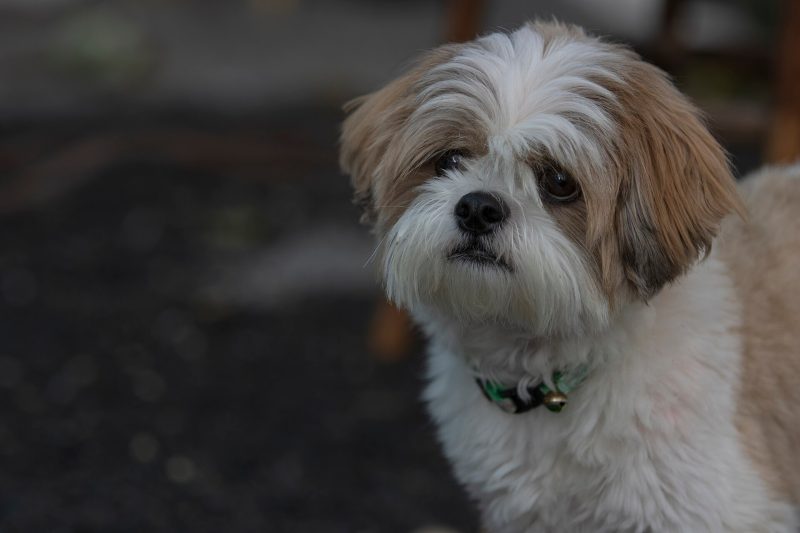
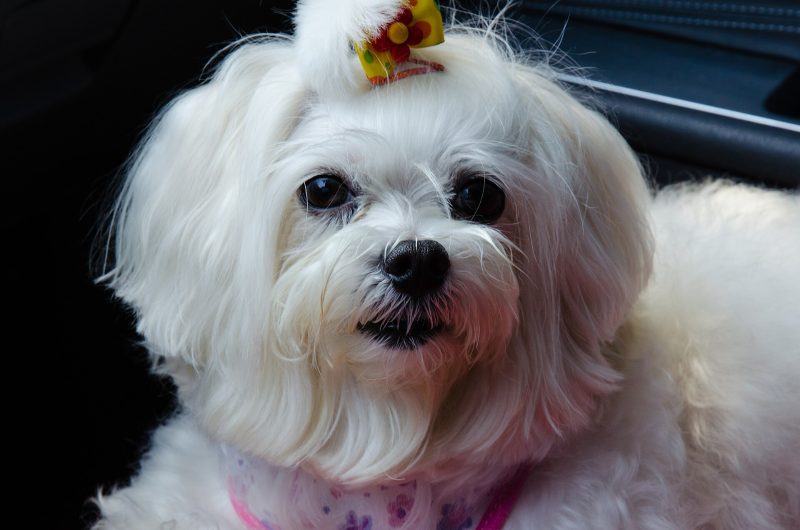
A Shih Tzu is a compact, solid little dog, 9 to 10.5 inches tall and 9 to 16 pounds, slightly longer than it is tall and carrying more weight than its size suggests. The head is round and broad with a short, square muzzle, large dark eyes set wide apart and a distinct stop; the hair on top of the head grows upward and outward, which earned the nickname chrysanthemum dog. Ears are large and hang down, blending into the coat. The tail is plumed and carried in a curve over the back. The coat is long, dense and double, flowing to the ground on show dogs, and comes in every color and marking, with gold and white, black and white, brindle, red and liver especially common. It is often confused with the Lhasa Apso, which has a longer muzzle, narrower head and more reserved manner, and with the Maltese, which is pure white and finer-boned.
Temperament & Personality
Shih Tzu are among the friendliest of all toy breeds. They greet strangers with a wagging tail, enjoy children who handle them gently and are usually easygoing with other dogs and cats. They are affectionate without being frantic, happy to follow you around and equally happy to nap on the couch while you work. Energy indoors is low to moderate; outdoors they trot along cheerfully but lose interest in long treks. They have a stubborn streak and a playful, slightly mischievous sense of humor, and they notice when they are being left out. Many bark to announce visitors but few have any real guarding instinct. Prey drive is almost nonexistent. Problems arise mainly when they are spoiled into small tyrants or left alone too long; a Shih Tzu is a companion dog in the literal sense and wants to be where you are.
Exercise & Activity
Two short walks a day of 15 to 20 minutes plus some indoor play meets most Shih Tzu's needs. They enjoy a slow, sniffy stroll more than a brisk march, and a game of fetch down the hallway counts. Mental stimulation through trick training, puzzle feeders and short training games keeps them sharp. Because of the flat face, heat and humidity are dangerous: walk early or late in summer, carry water and stop at the first sign of heavy panting. Cold is better tolerated but a clipped dog may need a coat. Swimming is risky because the heavy coat waterlogs, so supervise near pools. Avoid dog parks dominated by large dogs. A bored Shih Tzu is more likely to sulk or bark than to destroy things, but indoor accidents often trace back to too little routine.
Two short walks and indoor play daily
Strict heat precautions; no exertion in hot weather
Puzzle toys and trick training for the mind
Training
Shih Tzu are smart enough but were never bred to take orders, so training is a matter of patience and good snacks. They respond to short, cheerful sessions with food rewards and lose interest quickly with repetition or harsh tones. Housetraining is the breed's notorious weak spot: use a tight schedule, a crate or pen, frequent trips outside and lots of praise, and expect it to take longer than with many breeds; some owners add an indoor potty option for bad weather. Teach a sit for greetings early so the friendly leaping does not become a habit, and get the puppy used to daily brushing, face wiping and handling of feet and ears from the start, because grooming cooperation is the most important skill this dog will learn. Socialize with people and calm dogs. They can do well in rally, agility and therapy work. A sitter should know the housetraining routine precisely.
Grooming & Care
The coat is the Shih Tzu's main maintenance cost. In full length it needs brushing and combing every day or at least every other day, right down to the skin, with attention to mats behind the ears, under the legs and around the collar. Most pet owners choose a shorter puppy clip from a professional groomer every four to eight weeks, which reduces brushing to a few times a week. Bathe every three to four weeks. The face needs daily care: wipe the eyes and the hair around them, keep hair out of the eyes with a topknot or trim, and clean the fold above the nose. Check the heavy drop ears weekly and keep hair in the canal trimmed if your vet advises. Trim nails every few weeks and brush teeth daily, as this breed is very prone to dental disease.
Daily brushing for a long coat, several times weekly for a clip
Groomer every 4 to 8 weeks; bath every 3 to 4 weeks
Daily eye and face wiping, daily tooth brushing
Health
Shih Tzu are long-lived, often reaching 10 to 18 years, but the flat face and prominent eyes bring predictable issues. Brachycephalic obstructive airway syndrome ranges from snoring to real breathing difficulty and makes heat and anesthesia riskier; ask your vet to assess your dog's airway. Eye problems are the most common reason Shih Tzu see a vet: corneal ulcers and scratches, dry eye, ingrown eyelashes (distichiasis), cataracts and progressive retinal atrophy all occur, and a bulging eye after even minor trauma is an emergency. Juvenile renal dysplasia, a developmental kidney disease, is a known breed problem. Patellar luxation and hip dysplasia occur, and dental disease and ear infections are everyday concerns. The parent club recommends yearly eye examinations by a veterinary ophthalmologist, patella evaluation and urine and blood tests for kidney function in breeding dogs. Report excessive thirst, squinting, noisy breathing or reluctance to jump promptly.
Nutrition
Feed a complete small-breed diet suited to life stage: puppy food until about ten months to a year, then adult, then a senior formula if your vet recommends one. Two measured meals a day suit most adults; very young puppies eat three or four times to avoid low blood sugar. Shih Tzu gain weight easily and carry it badly, since extra pounds worsen breathing, joints and heat tolerance, so weigh food, keep treats to a small share of calories and resist the pleading face. Small kibble or a shallow bowl helps a flat-faced dog eat comfortably. Dogs with kidney disease, bladder stones or allergies may need a therapeutic diet, which your vet will prescribe. Wipe the face after meals to keep the beard clean. Sitters should follow the owner's portions exactly and avoid sharing human food, especially anything fatty or salty.
Living With This Breed
A Shih Tzu is an ideal apartment dog: quiet enough, small enough and content with modest exercise. It wants to live indoors with its family and tolerates a normal workday alone once mature, though it is happiest with company and a midday visit helps. Hot climates require air conditioning and careful scheduling. It is gentle with considerate children, though toddlers can injure a small dog, and it coexists well with cats and other dogs. Noise is moderate, mostly greeting barks. The breed does not wander or escape. Daycare and group boarding suit most Shih Tzu if the groups are small-dog only.
Sitters: wipe eyes daily, brush as instructed, never leave the dog in heat or a parked car
Watch for squinting or pawing at an eye and call the owner
The housetraining schedule matters more than exercise
Interesting Facts
Shih Tzu means lion dog in Mandarin, a reference to the lion of Buddhist tradition rather than to the dog's temperament.
Every Shih Tzu alive today descends from just fourteen dogs: thirteen exported from China and one Pekingese added in England in 1952.
The Empress Dowager Cixi kept Shih Tzu, Pekingese and Pugs in the palace kennels and took a personal interest in their breeding.
The upswept hair on the head gave rise to the nickname chrysanthemum dog, because the face looks like the flower.
Early imports to England were at first shown alongside Lhasa Apsos; The Kennel Club separated the two breeds in 1934 and recognized the Shih Tzu in its own right in 1940.
Breeds similar to the Shih Tzu
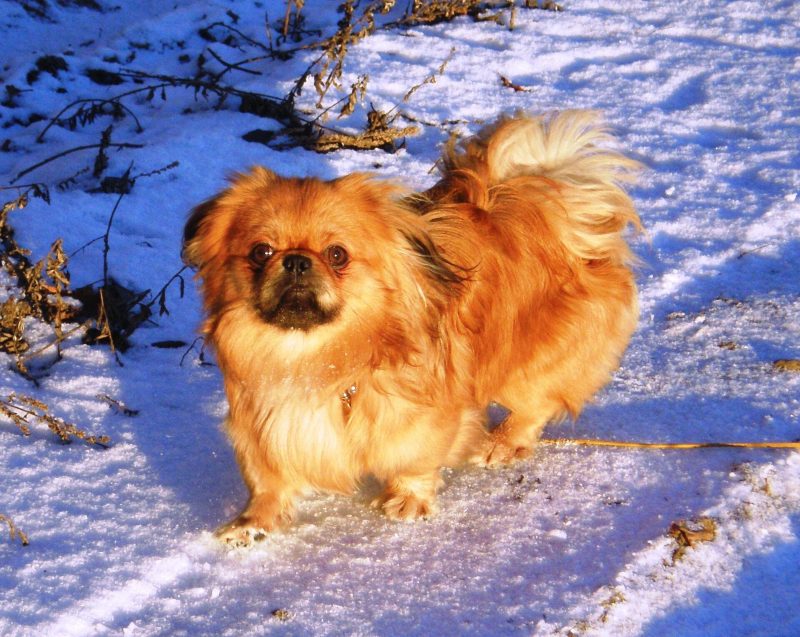
Popular Shih Tzu crosses
What Shih Tzu owners say
Real pets, photos, stories and tips from the SitterNation community — separate from the editorial guide above.
Log in to add your pet, photos, stories and tips.
Meet Shih Tzus on SitterNation
No Shih Tzus have joined yet. Owners can show their pet here from the pet's profile.
Shih Tzu community photos
No Shih Tzus photos yet — be the first to share one.
Stories from Shih Tzu owners
No stories yet. What is life with yours really like?
Tips from Shih Tzu owners
No tips yet. One practical thing that works for you is enough.
Ask Shih Tzu owners
No questions yet. Ask the people who live with the breed.