Typical tendencies
Energy level
Calm at home with short bursts of play.
Good with children
Fine with calm, respectful older kids.
Good with other dogs
Gets along with known, polite dogs.
Trainability
Learns, but on its own schedule.
Shedding
Keep the lint roller within reach.
Apartment friendly
A natural fit for city living.
More traits
Exercise needs
Adaptability
Grooming needs
Drooling
Intelligence
Family friendly
Good with cats
Friendly with strangers
Sociability
Protectiveness
Prey drive
Overview
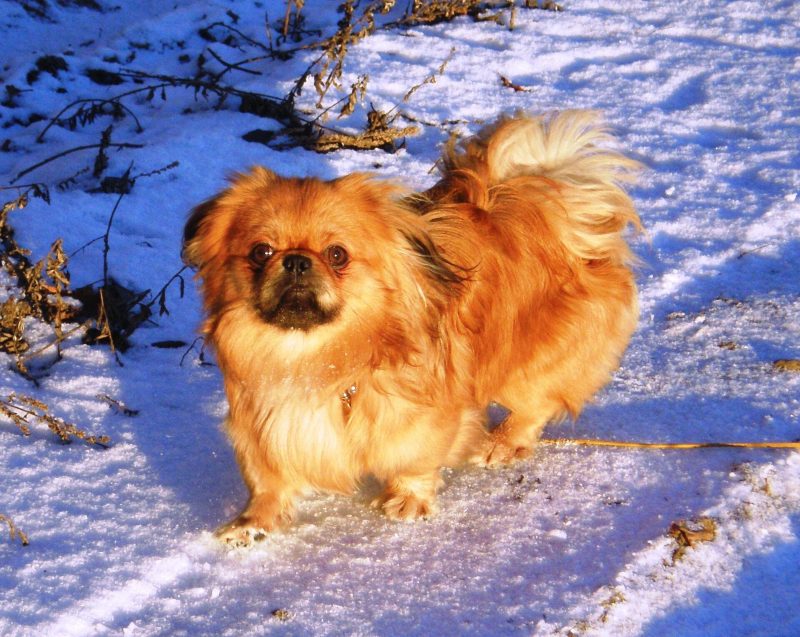
The Pekingese is a small, lion-maned companion bred for centuries in the palaces of imperial China, and it has never forgotten it. Standing 6 to 9 inches and weighing up to 14 pounds, a Peke is dignified, opinionated and deeply loyal to its chosen people, content to supervise the household from a cushion and to take a short, stately walk when it suits. The breed needs little exercise, adapts easily to apartment life and makes a watchful little alarm. The costs are a heavy coat that needs serious brushing, a flat face that brings breathing and eye problems and no tolerance for heat, and a stubborn streak that makes training a negotiation. It suits adults, seniors and quiet households that enjoy grooming and a dog with character, and it is a poor match for families with rough toddlers, hot climates without air conditioning or anyone wanting a jogging partner.
History & Origin
Lion-faced lapdogs appear in Chinese art and records for well over a thousand years, and DNA studies place the Pekingese among the most ancient of modern breeds. For centuries they were bred within the Forbidden City, where palace eunuchs ran the kennels and ownership outside the imperial household was forbidden; the smallest dogs, carried in the wide sleeves of court robes, were called sleeve dogs. The breed reached the West in 1860, when British and French troops looted the Summer Palace near Beijing during the Second Opium War and found five of the dogs in the imperial apartments. One, named Looty, was presented to Queen Victoria. Further dogs were smuggled or gifted to Britain in the 1890s, including the foundation sire Ah Cum in 1896. The AKC recognized the breed in 1906, and the Pekingese Club of America formed soon after. The dog survived the fall of the Qing dynasty in 1911 as a fashionable Western pet.
Appearance
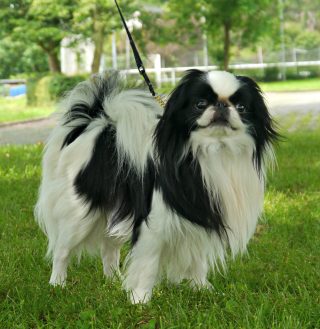
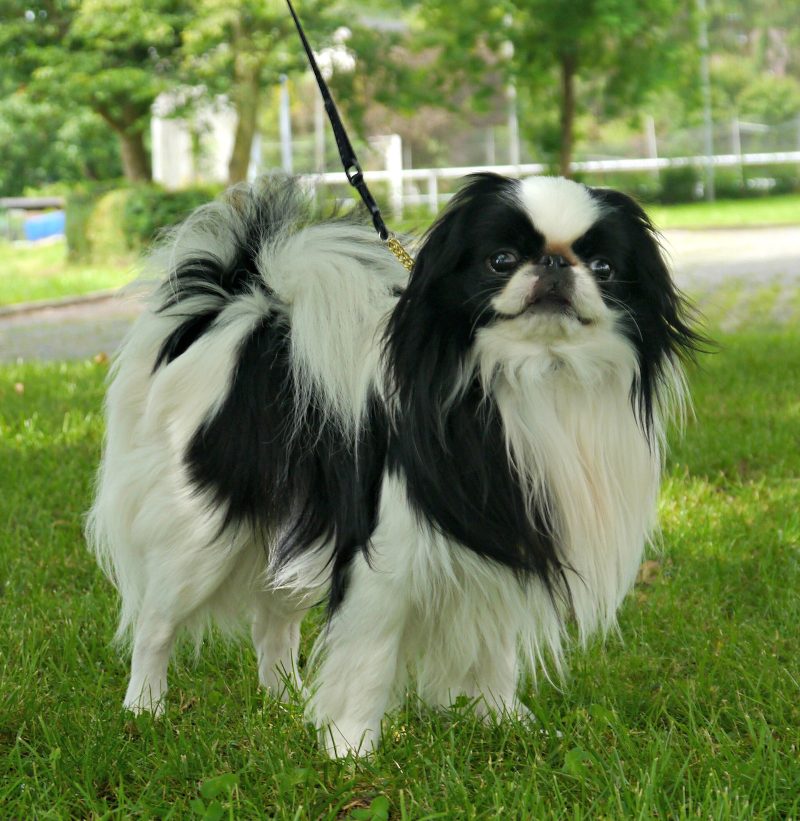
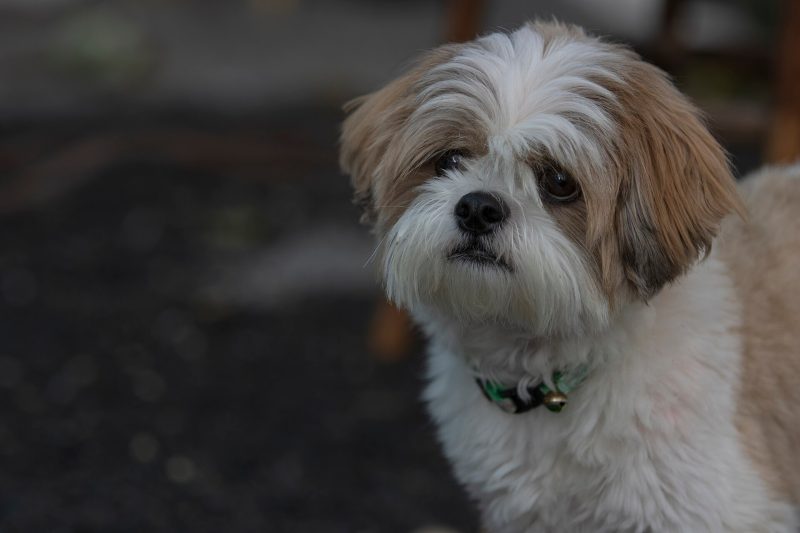
A Pekingese is a compact, low, surprisingly heavy little dog with a lion-like outline: heavier in front than behind, with a broad chest, short bowed forelegs and a rolling gait. The head is large and flat on top with a wide, short muzzle, a black nose set between the eyes and a wrinkle across the bridge, and the eyes are large, dark and prominent. Heart-shaped ears hang close to the head with long feathering. The long, coarse outer coat stands off from the body over a thick undercoat, forming a dramatic mane over the shoulders, with feathering on the ears, legs, tail and toes. Colors include gold, red, sable, cream, fawn, black, white, brindle and parti-color, usually with a black mask. Compared with a Shih Tzu, a Peke is longer and lower with a flatter head; compared with a Japanese Chin it is heavier and coarser-coated.
Temperament & Personality
The Pekingese has a reputation for independence and dignity, and most live up to it. A Peke is affectionate with its own people, often choosing one favorite, and reserved with strangers until it decides they are acceptable. It is calm indoors, not especially playful by terrier standards, and perfectly happy to spend the afternoon on a cushion watching the door. It is alert and will bark at visitors, deliveries and unusual noises, with a surprisingly big voice. The breed is stubborn and self-possessed; it does not take kindly to being pushed around and may snap if handled roughly, which is why it is better with respectful older children than with toddlers. Pekes are usually fine with other dogs and cats in the household, though they can be bossy. Many become anxious when their favorite person leaves.
Exercise & Activity
A Pekingese needs only 20 to 30 minutes of gentle activity a day: a slow walk around the block, a few short play sessions indoors and some sniffing in the yard. It is not built for running, long hikes or vigorous fetch, and its flat face makes overheating a serious risk, so walks in warm weather should be short and early, with shade and water, and on hot days skipped entirely in favor of indoor games. Pekes often enjoy cold weather under all that coat. Mental enrichment matters: scent games, food puzzles and a few tricks keep an intelligent dog from becoming demanding.
Short daily walks, no exertion in heat
Stop at the first sign of loud breathing or an open-mouth gape
A harness, never a collar, to keep pressure off the airway
Training
Pekingese are intelligent and quick to understand what you want; whether they do it is another matter. The breed is independent and resists pressure, so forceful methods fail and gentle, reward-based training with food and praise succeeds, provided sessions are short and the dog sees the point. Housetraining takes patience and a strict schedule; many owners also teach an indoor potty option for hot or icy days. Teach a reliable come indoors, polite greetings and a quiet cue for the bark. Early socialization with calm people, dogs and handling reduces suspicion of strangers and makes grooming and vet visits easier. Pekes do well in nose work, rally and trick training, which suit their pace. Sitters should respect the dog's space, avoid picking it up without warning and expect a dog that chooses when to cooperate.
Grooming & Care
The coat is the big commitment. Brush thoroughly at least two or three times a week, working down to the skin in layers with a pin brush and comb, paying special attention to the mane, behind the ears, the armpits and the feathering on the legs, where mats form fast. Daily attention is better, and many pet owners have the coat trimmed shorter every six to eight weeks to make life easier. Bathe every few weeks as needed. The face needs daily care: wipe the eyes and clean and dry the wrinkle over the nose to prevent skin fold infection, and keep hair out of the eyes. Check the rear end for cleanliness, trim the hair between the pads, clean ears weekly and brush teeth daily because small mouths crowd teeth.
Brush several times a week, down to the skin
Clean the nose wrinkle and eyes every day
Shedding is seasonal and heavy; expect fur in the house
Health
Pekingese typically live 12 to 14 years, but the flat face shapes their health. Brachycephalic obstructive airway syndrome ranges from snoring and noisy breathing to real distress in heat, excitement or under anesthesia, and severe cases may need surgery. The prominent eyes are vulnerable to ulcers, dry eye, pigment changes and, after a knock, proptosis, so any squinting or discharge should be seen quickly. Skin fold dermatitis develops in the nose wrinkle. Other recognized problems are patellar luxation, progressive retinal atrophy, dental disease, heart murmurs and difficult whelping. The AKC lists no required parent-club tests for the breed, but conscientious breeders have eyes examined by a veterinary ophthalmologist, patellas checked and hearts auscultated, and The Kennel Club in the UK asks breeders to use its eye scheme. Ask your vet about the dog's airway before any anesthesia and keep it lean, since every extra ounce makes breathing harder.
Nutrition
Feed a complete small-breed diet suited to the dog's age, in two measured meals a day for adults and three or more for puppies, which can run low on blood sugar if they skip meals. Pekes are not greedy as a rule but they are inactive, and weight creeps on under the coat where it is easy to miss, so feel for the ribs and waist regularly rather than trusting your eyes. Extra weight worsens breathing and strains the back and knees. Small kibble or softened food suits a flat-faced mouth, and a dental diet may help with tooth problems; ask your vet. Use a shallow bowl the dog can reach without pressing its face into the food. Fresh water should always be within reach. Sitters should follow the owner's portions, avoid rich treats and never feed in the heat right after a walk.
Living With This Breed
The Pekingese is an ideal apartment dog: small, quiet apart from alarm barking, low-exercise and happiest indoors. It must have air conditioning or a cool room in summer and should never be left in a car. It copes with a workday alone better than many toys, though some pine for their person. It is best with adults and older children and generally lives peacefully with other calm pets. Stairs, jumping off furniture and rough play can injure its back, eyes and knees, so ramps and gentle handling help. Daycare is rarely a good fit; a sitter who visits or stays in the home suits the breed much better.
Sitters: short cool walks on a harness, daily face cleaning, watch for noisy breathing
Never leave the dog in heat; report any eye redness or squinting at once
Respect its space; this is not a dog to scoop up uninvited
Interesting Facts
Looty, one of the five dogs taken from the Summer Palace in 1860, lived at Windsor with Queen Victoria until 1872 and lies in an unmarked grave.
A Pekingese named Sun Yat-sen was one of only a few dogs to survive the sinking of the Titanic in 1912, escaping in a lifeboat with his owners.
The breed has won Best in Show at Westminster several times, most recently Wasabi in 2021 and Malachy in 2012.
The smallest palace Pekingese were called sleeve dogs because courtiers carried them in the wide sleeves of their robes.
Legend says the breed was born when a lion fell in love with a marmoset, which is why it has a lion's heart in a tiny body.
Ownership outside the imperial court was once punishable by death, which is why the breed was almost unknown in the West before 1860.
Breeds similar to the Pekingese
What Pekingese owners say
Real pets, photos, stories and tips from the SitterNation community — separate from the editorial guide above.
Log in to add your pet, photos, stories and tips.
Meet Pekingeses on SitterNation
No Pekingeses have joined yet. Owners can show their pet here from the pet's profile.
Pekingese community photos
No Pekingeses photos yet — be the first to share one.
Stories from Pekingese owners
No stories yet. What is life with yours really like?
Tips from Pekingese owners
No tips yet. One practical thing that works for you is enough.
Ask Pekingese owners
No questions yet. Ask the people who live with the breed.