Typical tendencies
Energy level
Calm at home with short bursts of play.
Good with children
A famously patient playmate for kids.
Good with other dogs
Loves every dog at the park.
Trainability
Picks up cues with steady, short sessions.
Shedding
Fur on everything, all year round.
Apartment friendly
A natural fit for city living.
More traits
Exercise needs
Adaptability
Grooming needs
Drooling
Intelligence
Family friendly
Good with cats
Friendly with strangers
Sociability
Protectiveness
Prey drive
Overview
The Pug is companionship distilled into a compact, square little dog whose whole job, for well over a thousand years, has been to sit near people and make them laugh. It suits apartment dwellers, first-time owners, families with gentle children and anyone who would rather share a couch than run a trail. Expect a shadow that follows you from room to room, a comic streak and a bottomless appetite.
In return you take on a flat-faced breed that overheats easily, cannot swim well, sheds far more than its short coat suggests and needs regular attention to its wrinkles and eyes. If you are home a lot, keep the house cool and are honest with yourself about the breed's health realities, a Pug is one of the easiest dogs to live with. If you want a jogging partner or a dog that copes with long days alone, look elsewhere.
History & Origin
Pugs trace back to the short-muzzled lap dogs kept at the Chinese imperial court, where small flat-faced dogs were pampered, guarded and bred for wrinkles that supposedly spelled out the character for "prince" on the forehead. Dutch traders carried them to Europe in the 1500s, and the breed became the mascot of the House of Orange after a Pug named Pompey was credited with waking William the Silent before an attack in 1572. When William III and Mary II took the English throne in 1688 their Pugs came with them.
The painter William Hogarth put his Pug, Trump, in a 1745 self-portrait, and Queen Victoria's enthusiasm made the breed fashionable in the 1800s. Dogs brought out of China after 1860 shortened the face and set the modern look. The American Kennel Club recognized the Pug in 1885, and the Pug Dog Club of America was founded in 1931.
Appearance
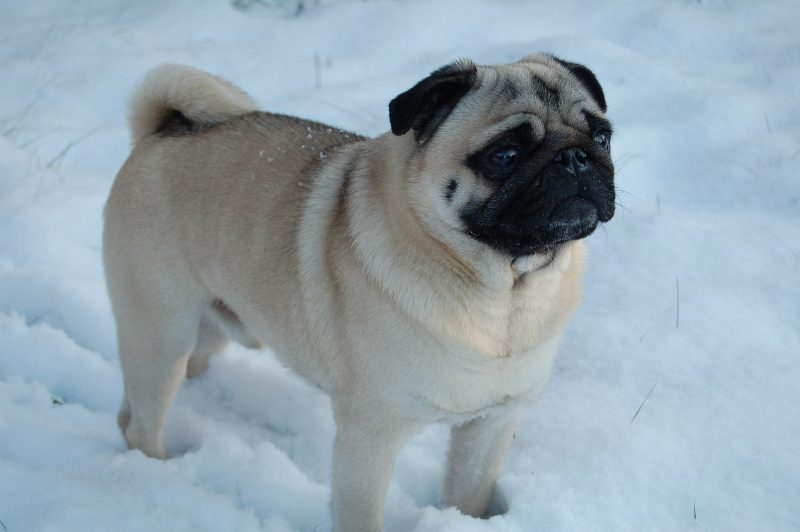
Breeders sum the Pug up as multum in parvo, a lot of dog in a small space. Adults stand 10 to 13 inches and weigh 14 to 18 pounds, with a square, cobby body, a broad chest and surprisingly sturdy legs. The head is large and round, the muzzle is short and flat, the eyes are big, dark and prominent, and the face is folded into deep wrinkles with a thick nose roll. Ears are small and velvety, either folded "button" or "rose" style, and the tail curls tightly over the hip, ideally in a double twist.
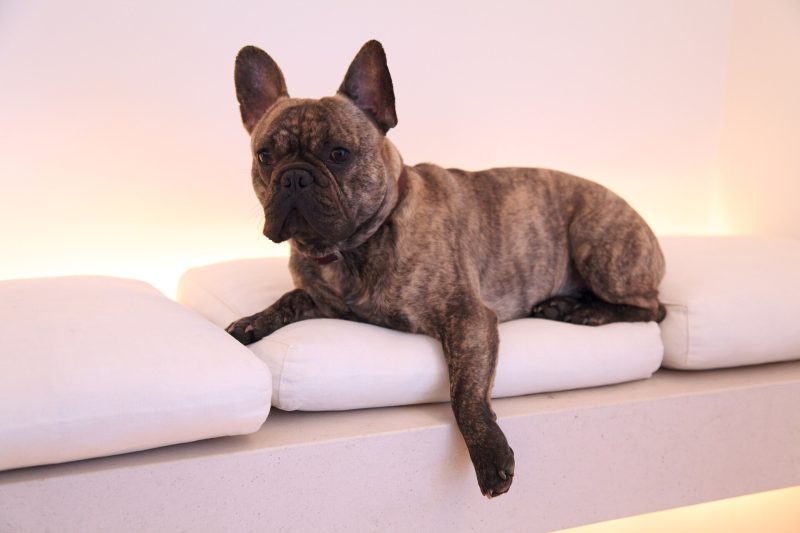
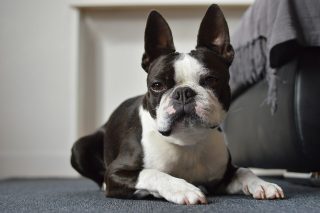
The coat is short, smooth and glossy. Fawn with a black mask and ears is the classic look; solid black is the other recognized color. Beside a French Bulldog, a Pug has a curled tail instead of a stub and folded ears instead of bat ears; beside a Boston Terrier it is lower, rounder and never tuxedo-marked.
Temperament & Personality
Pugs are even-tempered, playful and almost comically attached to their people. They were bred to be companions and nothing else, so they want to be in the room, on the lap or at least touching a foot. Most are gentle and patient with children, easygoing with other dogs and unbothered by cats; their prey drive is close to zero.
Indoors they alternate between short bursts of clowning, often ending in a spin or a zoom around the sofa, and long, snoring naps. Outdoors they are curious but slow, more interested in sniffing and greeting strangers than covering ground. They will announce a visitor with a bark or two and then try to make friends, so they are companions rather than guards. A Pug left alone for long stretches can become clingy, vocal or destructive, and some develop separation anxiety.
Exercise & Activity
A Pug needs around 20 to 40 minutes of gentle activity a day, best split into two or three short walks plus some indoor play. The flat face limits how well a Pug can pant, so this is not a breed for running, hiking in heat or long games of fetch. Walk in the cool of the morning or evening in summer, carry water, and head home at the first sign of loud breathing, a blue-tinged tongue or a dog that sits down and refuses to move.
Mental work matters as much as mileage. Food puzzles, short trick sessions and nose games tire a Pug out without stressing its airway. A bored Pug counter-surfs, barks and chews.
Never leave a Pug near a pool or open water unsupervised; most sink.
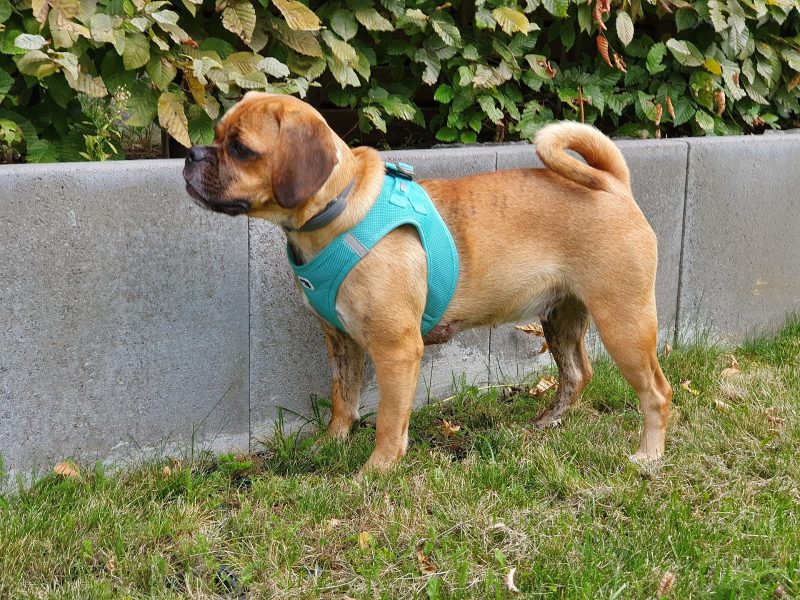
Use a harness rather than a neck collar to protect the airway.
In hot weather, skip the walk entirely and play indoors with the air conditioning on.
Training
Pugs are bright, food-obsessed and eager to be part of whatever you are doing, which makes them pleasant to train if you keep it light. Reward-based methods with tiny treats work beautifully; harsh corrections only produce a sulking dog that shuts down. Keep sessions short, because a Pug's attention span and heat tolerance both run out quickly.
The usual sticking points are house-training, which can take longer than with many breeds and suffers badly in wet or cold weather when a Pug simply does not want to go outside, and a stubborn streak that appears when a Pug decides a request is not worth the effort. Consistency, a fixed routine and praise for every success solve both in time. Socialize puppies early to people, dogs, surfaces and sounds; well-raised Pugs are famously tolerant. Many enjoy rally, scent work and low-impact trick training as adults.
Grooming & Care
The short coat is deceptive: Pugs shed heavily all year, with extra bursts in spring and fall, and fawn hair gets everywhere. A weekly session with a rubber curry or grooming mitt, more often during coat drops, keeps most of it in the brush rather than on the furniture. Bathe every month or so with a mild dog shampoo.
The real work is the face. Wipe the nose roll and other facial folds every day or two with a damp cloth or vet-recommended wipe, then dry them thoroughly; trapped moisture turns into itchy, smelly skin fold dermatitis. Check the eyes daily for redness, squinting or discharge, since they sit shallow and scratch easily.
Clean the ears every week or two and watch for odor.
Trim nails every three to four weeks; Pugs rarely wear them down.
Brush teeth daily if you can; crowded mouths mean early dental disease.
Health
Pugs are a brachycephalic breed, and most of their health picture flows from that. Brachycephalic obstructive airway syndrome (BOAS) causes noisy breathing, exercise and heat intolerance and, in severe cases, collapse; responsible breeders now use respiratory function grading, and surgery to widen the nostrils or shorten the palate helps some dogs. Prominent eyes are prone to corneal ulcers, dry eye, pigmentary keratitis and proptosis. The breed has a high rate of hip dysplasia and patellar luxation, and the screw tail is linked to hemivertebrae and a progressive rear-end weakness known as Pug myelopathy.
Pug dog encephalitis, a fatal brain inflammation, has a DNA risk test. Obesity, skin fold infections, dental disease and ear infections are common and largely manageable. The Pug Dog Club of America's screening list includes the PDE DNA test, an eye exam and a patella evaluation, with hips, elbows, spine and cardiac checks optional. Typical lifespan is 13 to 15 years, though UK veterinary records put life expectancy at birth nearer 8 years and an Australian study found a median age at death of about 10. If breathing or eye changes appear, ask your vet promptly.
Nutrition
Almost every Pug is a committed food thief, and almost every health problem the breed has gets worse with extra weight, so portion control is the single most useful thing an owner can do. Feed measured meals twice a day rather than free-feeding, count treats as part of the daily total, and check body condition every few weeks: you should feel the ribs easily under a thin layer of padding and see a waist from above. Ask your vet to help set a target weight if you are unsure.
Puppies do well on a complete small-breed growth food until around a year old; adults need a maintenance diet matched to their modest activity, and many seniors need fewer calories still. A slow-feeder bowl discourages gulping, which brachycephalic dogs do noisily and with a lot of swallowed air. Avoid feeding right before exercise or car rides, keep water available in hot weather, and talk to your vet before adding supplements.
Living With This Breed
Pugs are made for indoor life. They thrive in apartments, tolerate city noise and need only a small yard or none at all. What they cannot tolerate is heat: air conditioning in summer is a necessity, not a luxury, and a Pug should never live outdoors. They do best in homes where someone is around much of the day and will happily attach themselves to children, seniors, other dogs and cats alike.
Expect snoring you can hear through a wall, some flatulence and a cloud of fawn hair. Stairs and jumping off furniture are hard on their spines and knees; a ramp or step helps.
Sitters and daycare staff: walk early or late in warm weather, use a harness and watch for labored breathing.
Keep Pugs away from pools and docks.
Have the wrinkle-cleaning routine and any eye medication written down.
Interesting Facts
A secret society of Catholic Freemasons founded in 1740 called itself the Order of the Pug and used the dog as its symbol of loyalty.
Empress Josephine's Pug, Fortune, is said to have carried notes to Napoleon while she was imprisoned, and to have bitten him on their wedding night.
The breed's names across Europe are all affectionate: Mops in Germany, Carlin in France (after a famous Harlequin actor with a black mask) and Dutch Mastiff in old English usage.
Frank, the wisecracking Pug in the Men in Black films, is one of the most recognizable movie dogs of the last thirty years.
Only one Pug has ever won Best in Show at Westminster: Dhandys Favorite Woodchuck in 1981.
Chinese breeders prized a wrinkle pattern on the forehead that resembled the character for "prince" and called it the prince mark.
Breeds similar to the Pug
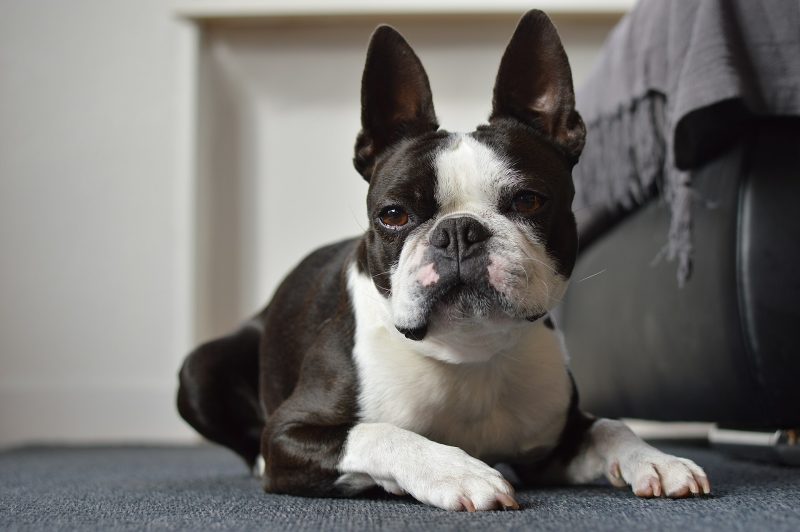
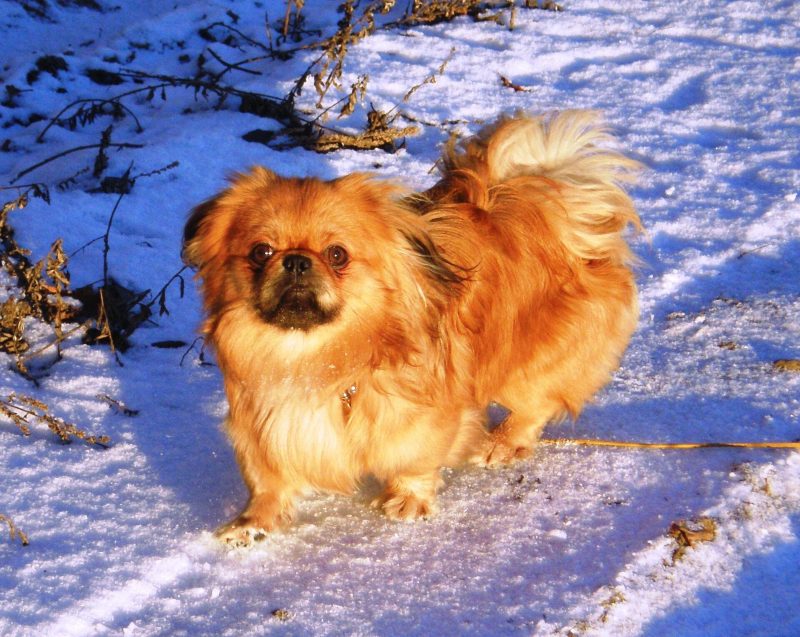
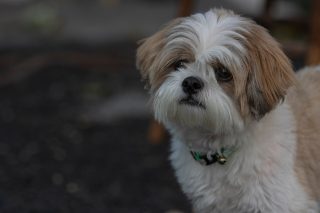
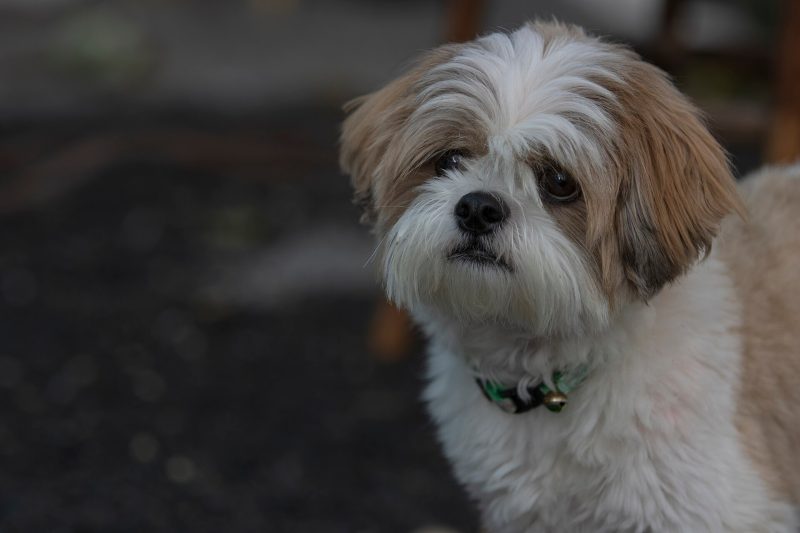
Popular Pug crosses
What Pug owners say
Real pets, photos, stories and tips from the SitterNation community — separate from the editorial guide above.
Log in to add your pet, photos, stories and tips.
Meet Pugs on SitterNation
No Pugs have joined yet. Owners can show their pet here from the pet's profile.
Pug community photos
No Pugs photos yet — be the first to share one.
Stories from Pug owners
No stories yet. What is life with yours really like?
Tips from Pug owners
No tips yet. One practical thing that works for you is enough.
Ask Pug owners
No questions yet. Ask the people who live with the breed.