Typical tendencies
Energy level
Calm at home with short bursts of play.
Good with children
Fine with calm, respectful older kids.
Good with other dogs
Selective; careful introductions needed.
Trainability
Learns, but on its own schedule.
Shedding
A light scatter, easy to keep up with.
Apartment friendly
Settles well into smaller homes.
More traits
Exercise needs
Adaptability
Grooming needs
Drooling
Intelligence
Family friendly
Good with cats
Friendly with strangers
Sociability
Protectiveness
Prey drive
Overview
The Chinese Shar-Pei is a compact, wrinkled guardian from southern China with a coat like sandpaper and a personality that is calm, serious and fiercely loyal. It suits experienced owners who want a quiet, clean, low-exercise house dog that bonds deeply with its family and keeps its own counsel with everyone else. Shar-Pei are naturally suspicious of strangers and often unfriendly with strange dogs, so early socialization and a confident, consistent handler matter more than with most breeds.
They adapt well to apartments and moderate walks, but their skin, eyes and ears need regular attention, and the breed carries some serious inherited conditions, so choosing a breeder who health-tests is essential. First-time owners, busy households with many visitors, and families with young children who want a playful dog will usually be happier with another breed.
History & Origin
Dogs resembling the Shar-Pei appear in Chinese tomb statuary from around 200 BC, and DNA studies group the breed among the most ancient. It developed in the villages of Guangdong province in southern China as a farm all-rounder: guarding property, hunting boar, herding and, in some places, fighting, which is where the loose skin and prickly coat are said to have earned their keep. The name means sand skin.
After the Communist revolution of 1949, heavy dog taxes and periodic culls nearly wiped the breed out, and only a few survived in Hong Kong, Macau and Taiwan. In 1973 Hong Kong breeder Matgo Law published an appeal in an American dog magazine asking fanciers to save the breed; the response was overwhelming, and in 1978 the Guinness Book of Records listed the Shar-Pei as the world's rarest dog. American numbers climbed from a handful to tens of thousands within two decades. The AKC gave the breed full recognition in 1992.
Appearance
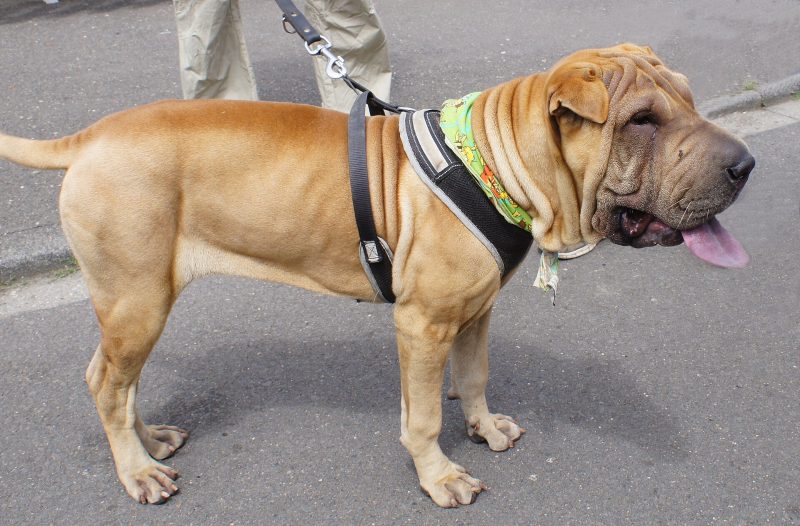
The Shar-Pei stands 18 to 20 inches and weighs 45 to 60 pounds, a square, compact dog with a lot of character packed into a medium frame. The head is large with a broad, padded muzzle often compared to a hippopotamus, small sunken eyes, tiny triangular ears that lie flat, and a blue-black tongue shared only with the Chow Chow. Puppies are famously wrinkled all over; adults keep loose folds mainly on the head, neck and shoulders. The tail is thick at the base and curls over the back.
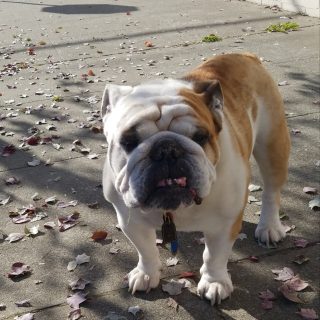
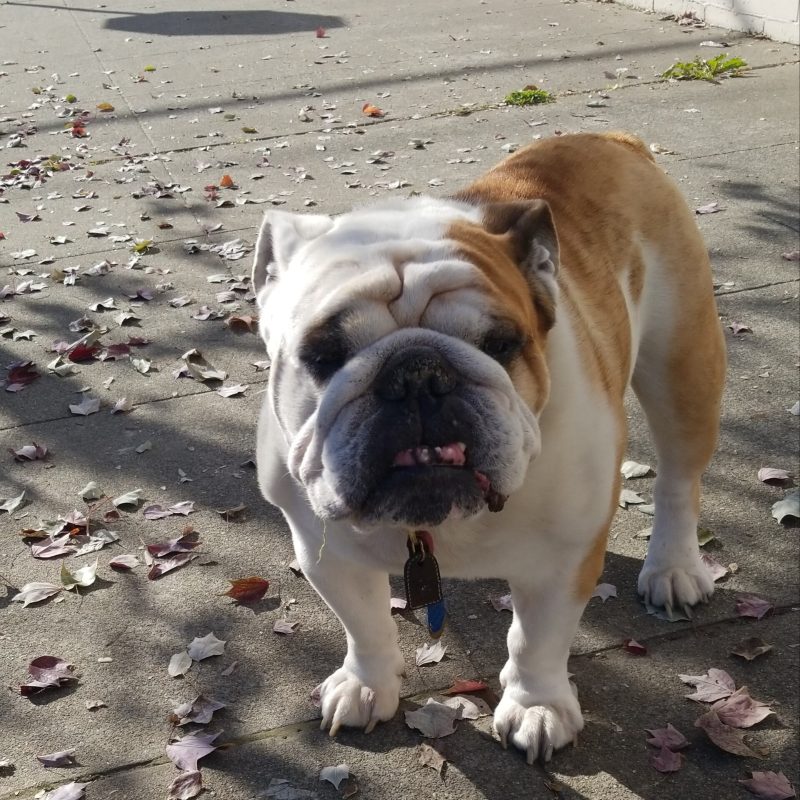
The coat is a harsh, bristly single coat in two accepted lengths: the very short horse coat and the slightly longer, smoother brush coat. Colors are solid, including black, cream, fawn, red, sable, blue, chocolate, apricot, lilac and isabella; dilute colors have matching noses. The Chow Chow has a far heavier coat and ruff; a Bulldog is wider, lower and has a pushed-in face rather than a padded muzzle.
Temperament & Personality
Shar-Pei are calm, dignified and independent. They attach strongly to their own people and often follow one person from room to room, yet they are not demanding of attention and are happy to lie nearby. With strangers they are reserved to aloof, and they take guarding seriously, announcing visitors with a deep bark and standing between them and the family. With strange dogs many are standoffish or confrontational, particularly with the same sex. They are usually fine with cats and small pets they live with.
Children in the household are tolerated and protected, but most Shar-Pei are not playful, rough-and-tumble dogs, and they do not love being hugged by visiting kids. Indoors they are quiet and clean, and many are easy to housetrain. They are stubborn in the sense that they do what makes sense to them; they are not nervous or hyperactive. Well-socialized, well-bred Shar-Pei are steady and devoted.
Exercise & Activity
A Shar-Pei needs about 30 to 60 minutes of moderate activity a day: a couple of unhurried walks, some play in the yard and a little training. They are not jogging partners and do not need a dog park, which many would rather avoid anyway. Heat is the main limit. The short muzzle and heavy body mean they overheat quickly, so walk in the cool of the day in summer, carry water and watch for noisy breathing. They cope with cold weather well.
Mental work is as valuable as walking for this breed: short training sessions, scent games with treats hidden around the house and puzzle feeders keep a Shar-Pei content. Puppies should not be over-exercised while growing. A bored Shar-Pei is more likely to become territorial or destructive than to race around, so build a routine with daily outings and some one-on-one time.
30 to 60 minutes of walking and play, not running
Avoid heat; early and late walks in summer
Daily nose work or training for the mind
Training
Shar-Pei are intelligent and learn quickly, but they ask what is in it for them and lose interest in repetition. Use short, upbeat sessions, high-value food rewards and clear rules applied the same way by everyone in the house. They respond badly to harsh methods, which make an already reserved dog defensive. Socialization is the most important training job: from the first weeks, expose the puppy calmly to friendly strangers, polite dogs, children, handling and vet visits so that suspicion does not harden into reactivity.
Teach a go-to-mat behavior so the dog has a job when visitors arrive, and practice accepting ear cleaning, eye checks and fold wiping as part of training, since those happen for life. Loose-leash walking and a reliable leave-it matter because the breed is strong and single-minded. Many Shar-Pei do well in rally and obedience with a patient handler. Expect independence, not disobedience, and avoid confrontations you cannot win kindly.
Grooming & Care
The Shar-Pei coat is easy: brush weekly with a rubber curry or soft bristle brush to lift dead hair, and bathe every month or two with a gentle shampoo. Shedding is moderate, heavier in spring and fall. The real work is the skin. Wipe inside the facial folds and any body wrinkles a few times a week with a soft damp cloth and dry them thoroughly; moisture trapped in folds leads to yeast and bacterial infections.
Check the ears weekly, as the tiny flat ears and narrow canals trap wax and debris and infections are common; your vet can show you how to clean them safely. Trim nails every two to three weeks and brush teeth regularly. Some people get itchy forearms after handling the prickly coat, which is contact irritation rather than allergy. Watch for redness, odor or hair loss and get skin changes checked early.
Weekly brushing, monthly bath
Folds and ears: clean and dry several times a week
Report skin redness or odor to the vet promptly
Health
The Shar-Pei's typical lifespan of 8 to 12 years is shorter than most breeds its size, and the breed has several serious inherited problems. Shar-Pei autoinflammatory disease, long called familial Shar-Pei fever, causes recurring bouts of fever and swollen, painful hocks and can lead to amyloidosis, a protein deposit that damages the kidneys, often before age six; a DNA risk test exists, and any fever episode deserves a vet visit. Entropion, where the eyelids roll inward, is common in puppies and may need eye tacking or surgery.
Skin problems are frequent: allergies, demodectic mange, fold dermatitis and cutaneous mucinosis. Ear infections, hypothyroidism, hip and elbow dysplasia, patellar luxation, glaucoma and mast cell tumors are also reported. The parent club's screening program asks breeders to certify hips, elbows, patellas, thyroid and eyes. Ask breeders about fever history in the line, and talk to your vet early about any lameness, abnormal kidney values or eye discomfort.
Nutrition
Feed a Shar-Pei a complete diet for its life stage in two measured meals a day. Puppies grow into a heavy-bodied dog and benefit from a large-breed puppy formula with controlled calcium to protect developing joints, usually until 12 months. Adults are not very active, so many gain weight easily; extra pounds strain joints and worsen breathing in the heat. Feel for ribs under the loose skin every week and adjust portions accordingly.
Because skin allergies are common, your vet may suggest a food trial with a novel or hydrolyzed protein to rule out a dietary trigger; do this under guidance rather than switching foods at random. Dogs with a history of fever episodes or kidney changes may need specific dietary management, which again is a vet conversation. Use food puzzles to turn meals into enrichment, and keep treats modest.
Living With This Breed
Shar-Pei are good apartment dogs: quiet, clean and content with moderate walks, as long as the building's hallway traffic does not keep them on guard duty. They do not need a big yard but should never be left outside in hot weather. They handle being alone for a workday better than many breeds and do not demand constant attention. They fit best in calm, adult or older-child households without a stream of visitors and with a plan for introducing guests. Other dogs in the home should be the opposite sex and introduced gradually; cats are usually fine.
A sitter should be introduced before the first stay, ideally with the owner present, and should avoid direct eye contact and hugging until the dog accepts them. Sitters need to know the fold and ear routine, heat limits, and that the dog may not welcome other dogs on walks. Group daycare is rarely a good fit.
Apartment-friendly, quiet and clean
Sitters need an introduction and the fold-care routine
Avoid dog parks and hot afternoons
Interesting Facts
The name Shar-Pei means sand skin in Cantonese, a reference to the harsh, bristly coat.
Shar-Pei and Chow Chows are the only breeds with a blue-black tongue, and genetic studies suggest they are close relatives.
In 1978 the Guinness Book of Records called the Shar-Pei the rarest dog breed in the world, with around 60 known dogs.
A 1979 cover of Life magazine helped turn the breed from near extinction into one of America's most sought-after puppies within a decade.
The two accepted coat types are named horse coat and brush coat; the long bear coat exists but is not accepted in the show ring.
Shar-Pei puppies are so wrinkled they look like they are wearing an oversized suit; the skin tightens as they grow into it.
Breeds similar to the Chinese Shar-Pei
What Chinese Shar-Pei owners say
Real pets, photos, stories and tips from the SitterNation community — separate from the editorial guide above.
Log in to add your pet, photos, stories and tips.
Meet Chinese Shar-Peis on SitterNation
No Chinese Shar-Peis have joined yet. Owners can show their pet here from the pet's profile.
Chinese Shar-Pei community photos
No Chinese Shar-Peis photos yet — be the first to share one.
Stories from Chinese Shar-Pei owners
No stories yet. What is life with yours really like?
Tips from Chinese Shar-Pei owners
No tips yet. One practical thing that works for you is enough.
Ask Chinese Shar-Pei owners
No questions yet. Ask the people who live with the breed.