Typical tendencies
Energy level
Ready to go when you are, settles after.
Good with children
A famously patient playmate for kids.
Good with other dogs
Enjoys most canine company.
Trainability
Quick to learn and keen to please.
Shedding
Fur on everything, all year round.
Apartment friendly
Needs space and a garden to be happy.
More traits
Exercise needs
Adaptability
Grooming needs
Drooling
Intelligence
Family friendly
Good with cats
Friendly with strangers
Sociability
Protectiveness
Prey drive
Overview
The Bernese Mountain Dog is a big, tricolored Swiss farm dog with a gentle, slightly sentimental personality. It was bred to pull carts, drive cattle and watch the farmyard, and today it channels that steadiness into being a devoted family companion that leans on your legs, follows you between rooms and treats children as its own. Berners are calm indoors, moderate in exercise needs and easy to train. The costs are serious: heavy shedding, a dog that struggles in heat, and a lifespan of only 7 to 10 years with a high rate of cancer. They suit families with a house, a cool climate, time to be home and the emotional resilience to love a dog whose life will be short. They do not suit apartments, hot regions or anyone who wants a low-maintenance coat.
History & Origin
Big, long-coated farm dogs with tricolor markings have lived in the Swiss midlands for centuries, possibly descended from Roman mastiff types crossed with local herding dogs. Around the city of Bern they were general-purpose farm help: driving cattle to pasture, pulling milk and cheese carts to market and guarding the yard. They were known as Dürrbächler after an inn and hamlet where good specimens were found. By the late 1800s imported breeds and mechanization had pushed them toward extinction. The geologist and dog fancier Albert Heim championed the type, a breed club formed in 1907 and the dogs were renamed for the canton of Bern as one of four Swiss Sennenhund breeds. A Kansas farmer imported the first Berners to the United States in 1926, the AKC recognized the breed in 1937, and the Bernese Mountain Dog Club of America formed in 1968 and still runs drafting tests that honor the cart-pulling heritage.
Appearance
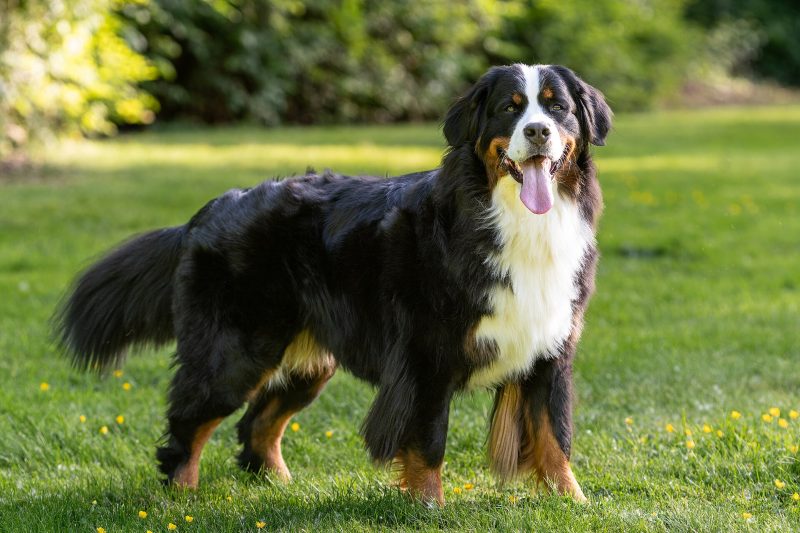
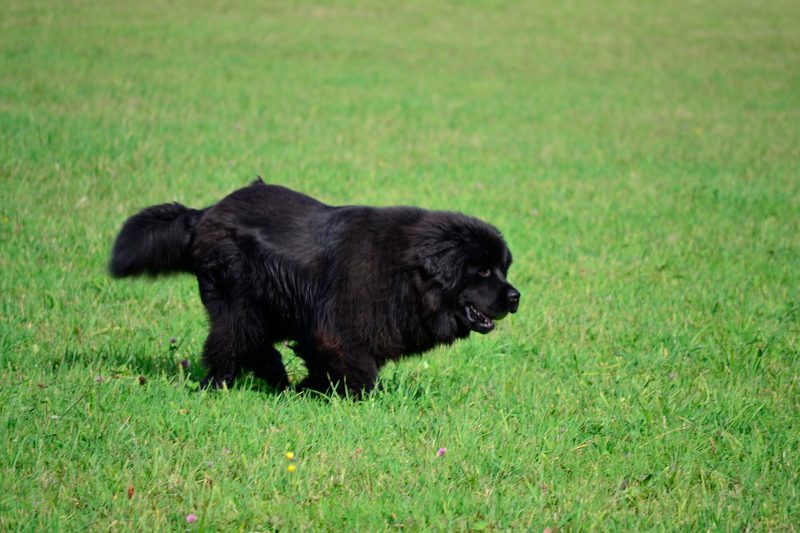
A Berner is a large, sturdy, balanced dog, slightly longer than tall, with a broad head, soft dark eyes and triangular ears that hang close to the head. Males stand 25 to 27.5 inches and weigh 80 to 115 pounds; females are 23 to 26 inches and 70 to 95 pounds. The coat is thick, moderately long, straight or slightly wavy and glossy, and the color pattern is always the same: jet black base with rich rust markings over the eyes, on the cheeks, chest and legs, and white on the chest, blaze, muzzle, feet and tail tip. The long bushy tail is carried low. Among the four Swiss mountain dogs it is the only long-coated one: the Greater Swiss is bigger and short-coated, the Entlebucher and Appenzeller much smaller. A Newfoundland is heavier and solid-colored; a St. Bernard is larger and red and white.
Temperament & Personality
Berners are affectionate, good-natured and a little goofy, with a strong need to be near their people. They are famous for leaning against legs and for sitting on feet. Indoors they are calm and content; outdoors they are playful and enjoy a hike or a romp but tire faster than their working heritage suggests. They are typically excellent with children, patient and gentle, and get along well with other dogs and cats. Toward strangers most are friendly or quietly reserved, with an alert bark at the door and no aggression; a shy or nervous Berner reflects poor breeding or socialization. Some adolescents are slow to mature and can be clumsy and mouthy. Separation can be hard on them and they do not do well as yard dogs. Their sensitivity means harsh words land heavily.
Exercise & Activity
Adult Berners need 30 to 60 minutes of moderate exercise a day: walks, hikes, swimming and free play, ideally in the cooler parts of the day. They are not built for distance running but excel at drafting and carting, which gives them a satisfying job, and many enjoy rally, obedience and therapy work. Puppies and adolescents need gentle, self-directed exercise with no jogging, repeated jumping or stair marathons until the growth plates close at around 18 months, because joint problems are common and partly preventable. Heat is their enemy: in hot weather keep activity short, provide shade and water and consider a cooling mat. Snow, by contrast, brings out pure joy. Mental work through training and nose games prevents the boredom that leads to digging and chewing.
Two moderate walks or a hike plus play daily
Carting or drafting for a real job
Short, early outings in heat; growth-friendly exercise for puppies
Training
Bernese Mountain Dogs are eager to please and quite trainable, especially with food rewards and gentle handling. They are sensitive, so a sharp tone or physical correction can set training back; patience and praise move them faster. Start early with sit, down, leash walking and a settle cue, because a 100-pound dog that pulls or jumps is a problem no matter how sweet. Socialize puppies widely with people, surfaces, sounds and calm dogs so the adult is confident rather than timid. Adolescence can bring a stubborn phase and mouthiness; keep sessions short and consistent. Berners do well in drafting, rally, obedience and therapy certification. Counter-surfing, leash pulling and jumping up on children are the usual sticking points. A sitter should know the dog's cues and keep walks relaxed rather than demanding.
Grooming & Care
The Berner coat sheds all year and heavily twice a year. Brush thoroughly two or three times a week with a slicker and undercoat rake, daily during the spring and fall blow, working through the feathering on the legs, behind the ears and around the tail where mats form. Bathe every six to eight weeks or as needed, drying the thick coat fully. Trim hair between the paw pads to prevent slipping and ice balls, and tidy the feathering if you like. Check the drop ears weekly and clean if waxy. Nails need trimming every two to three weeks. Brush teeth several times a week. Many owners book a professional deshedding bath each season.
Brush 2 to 3 times weekly, daily when blowing coat
Bath every 6 to 8 weeks; trim paw hair
Ears weekly, nails every 2 to 3 weeks
Health
Lifespan is the Berner's great sorrow: 7 to 10 years is typical and cancer is the leading cause of death. Histiocytic sarcoma is especially common in the breed, and mast cell tumors, lymphoma and osteosarcoma also occur; a DNA-based risk test for histiocytic sarcoma is available to breeders. Orthopedic disease is the other major concern, with hip and elbow dysplasia both frequent, so breeders should present OFA hip and elbow results for both parents; cruciate ligament injuries are common in adults. Degenerative myelopathy, a progressive spinal cord disease, has a DNA test. Bloat (gastric dilatation-volvulus) is a risk for this deep-chested breed, and hypothyroidism, eye conditions such as cataracts and entropion, and kidney disease are also seen. The parent club encourages hip, elbow, cardiac and eye evaluations plus DNA testing, with results recorded in the open Berner-Garde database. Ask your vet about regular senior screening from about age five, and see them promptly for lameness, lumps, weight loss or lethargy.
Nutrition
Feed Berner puppies a large-breed growth formula with controlled calcium and calories, and keep them lean; slow, steady growth is the best thing you can do for hips and elbows. Avoid supplements unless your vet prescribes them. Adults eat a surprisingly moderate amount for their size and gain weight easily, which strains joints and shortens an already short life, so measure meals, feed twice daily and judge by body condition rather than the bag. Because of bloat risk, split food into two or more meals and avoid heavy exercise around mealtimes. Senior dogs may benefit from joint-supporting diets; discuss options with your vet. Dogs with kidney or thyroid issues need tailored diets. Fresh water always, especially in warm weather when panting dogs lose fluid quickly.
Living With This Breed
Berners need a house with a yard, or at least easy access to outdoor space, in a climate that is not too hot; air conditioning is a necessity in warm regions. They are indoor dogs who want to be with the family and do poorly left alone all day or kept outside. They are superb with children and most pets. They bark to announce visitors but are not nuisance barkers. Expect hair on everything, a dog that blocks doorways and a certain amount of drool. They travel well and enjoy visiting, which makes them good candidates for in-home sitting.
Sitters: keep walks short in heat, brush if asked, feed in split meals
Provide a cool floor to sprawl on and water in every room the dog uses
Know the signs of bloat and the nearest emergency clinic
Interesting Facts
The breed's old name, Dürrbächler, comes from an inn near Riggisberg where the farm dogs of the area were known to gather.
The Bernese Mountain Dog Club of America runs drafting tests in which dogs pull a loaded cart over a course, honoring the breed's job hauling milk and cheese to market.
Berners are often called leaners because they press against a favorite person's legs, a habit owners treat as a hug.
The Swiss name, Berner Sennenhund, loosely means Bernese alpine dairyman's dog, and the breed is one of four Sennenhund types.
Berners spend their first two years growing and often reach adult weight well before they finish maturing mentally.
Breeds similar to the Bernese Mountain Dog
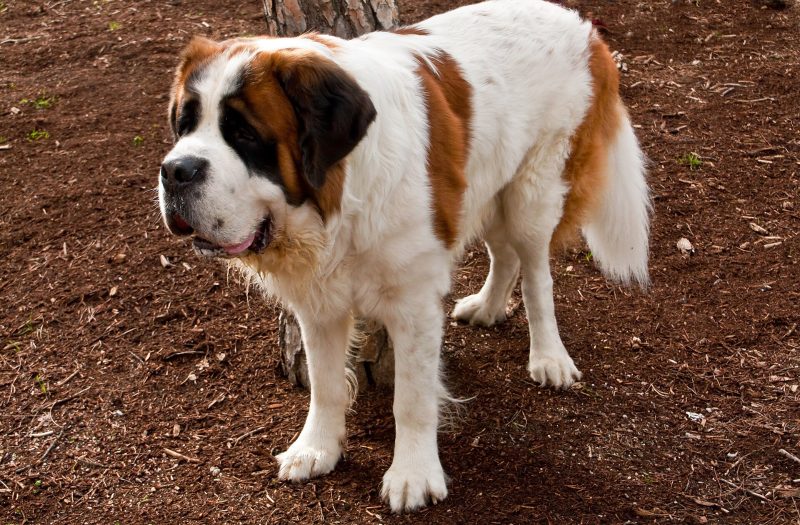
Popular Bernese Mountain Dog crosses

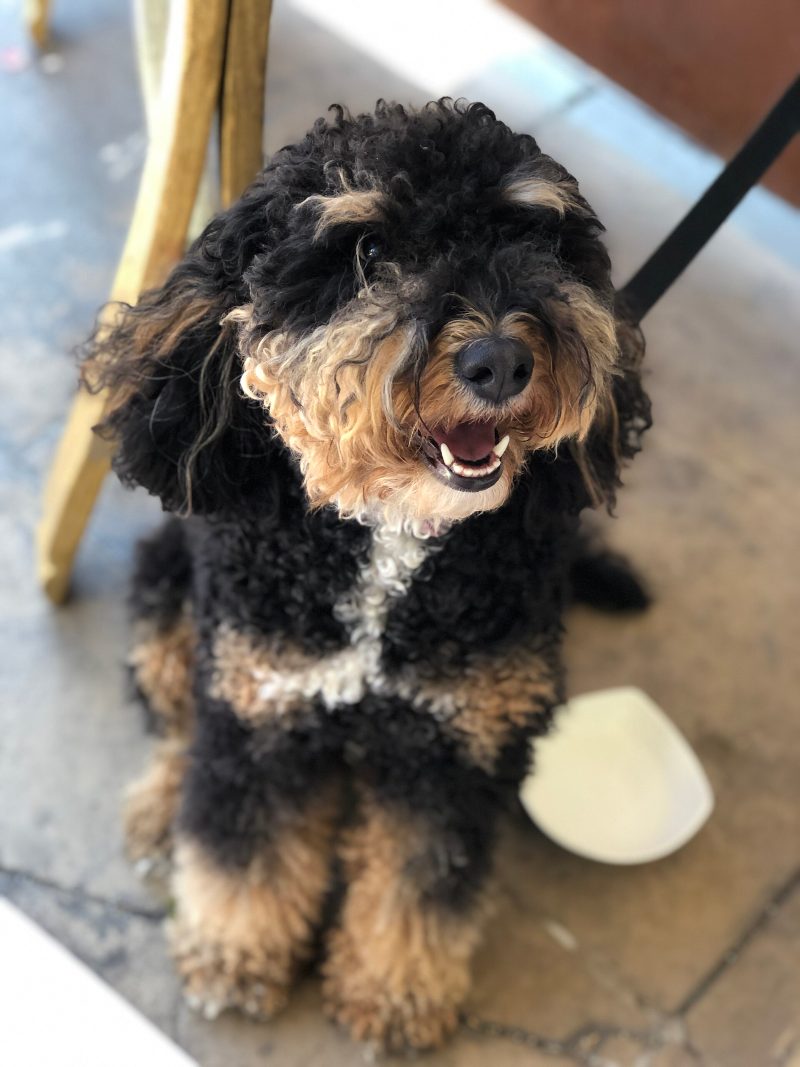
What Bernese Mountain Dog owners say
Real pets, photos, stories and tips from the SitterNation community — separate from the editorial guide above.
Log in to add your pet, photos, stories and tips.
Meet Bernese Mountain Dogs on SitterNation
No Bernese Mountain Dogs have joined yet. Owners can show their pet here from the pet's profile.
Bernese Mountain Dog community photos
No Bernese Mountain Dogs photos yet — be the first to share one.
Stories from Bernese Mountain Dog owners
No stories yet. What is life with yours really like?
Tips from Bernese Mountain Dog owners
No tips yet. One practical thing that works for you is enough.
Ask Bernese Mountain Dog owners
No questions yet. Ask the people who live with the breed.