Typical tendencies
Energy level
Always on; boredom turns into mischief.
Good with children
Patient with kids when well supervised.
Good with other dogs
Gets along with known, polite dogs.
Trainability
Lives for the lesson; a trainer's dream.
Shedding
Keep the lint roller within reach.
Apartment friendly
Needs space and a garden to be happy.
More traits
Exercise needs
Adaptability
Grooming needs
Drooling
Intelligence
Family friendly
Good with cats
Friendly with strangers
Sociability
Protectiveness
Prey drive
Overview
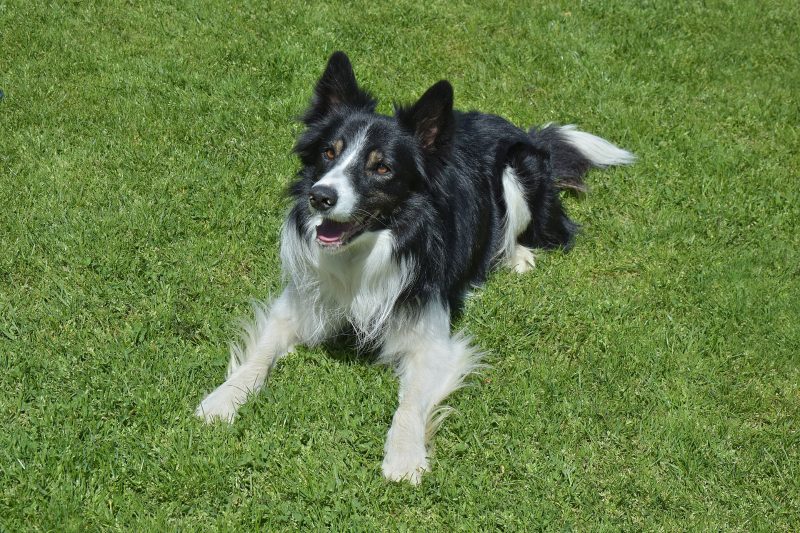
The Border Collie is the world's premier sheepdog and, by most measures, the most trainable dog there is. That is precisely why it is the wrong choice for most households. A Border Collie needs a job: hours of physical exercise and, more importantly, daily mental work in the form of training, herding, agility, scent work or problem solving. Given that, it is a loyal, brilliant, endlessly willing partner. Denied it, it becomes anxious, obsessive and destructive, and it may start herding children, cars or the cat. It suits experienced, active owners who enjoy training for its own sake and have a fenced property or regular access to open space. It is a moderate shedder with modest grooming needs and is generally healthy. If you are considering one because it is clever and handsome, look honestly at your calendar first; if you are considering one because you want to do things with a dog every day, read on.
History & Origin
Working collies have herded sheep in the hills along the border between Scotland and England for centuries, descended from a mix of native Celtic herding dogs and later arrivals. What set the Border Collie apart was selection purely for working ability, sharpened by competitive sheepdog trials, the first of which was held at Bala in Wales in 1873. A tricolor dog named Old Hemp, born in Northumberland in 1893, worked with a quiet, intense, stalking style rather than barking and nipping; he sired perhaps two hundred pups, and virtually every Border Collie alive today traces back to him. The International Sheep Dog Society formed in 1906 and kept a studbook, and in 1915 its secretary used the term Border Collie to distinguish these working dogs from the show Collie. The American Kennel Club placed the breed in its Miscellaneous class in 1955 and granted full recognition in 1995, over strong objections from working-dog organizations that feared show breeding would erode herding ability.
Appearance
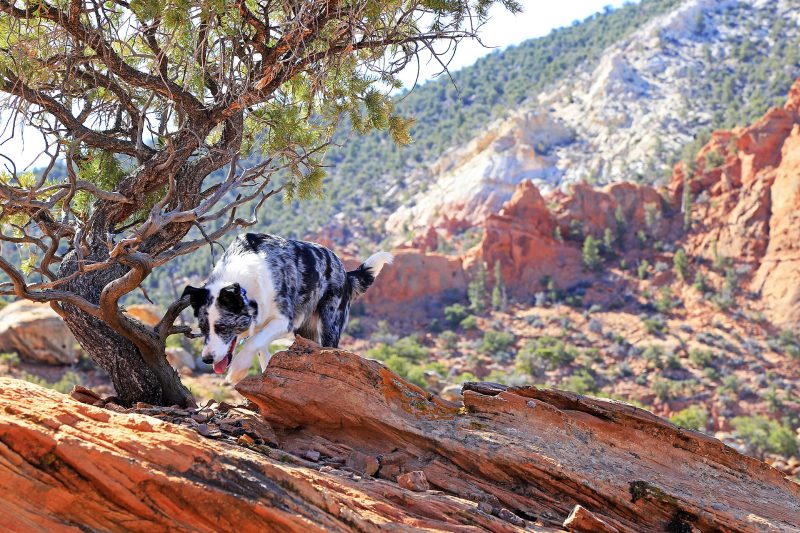
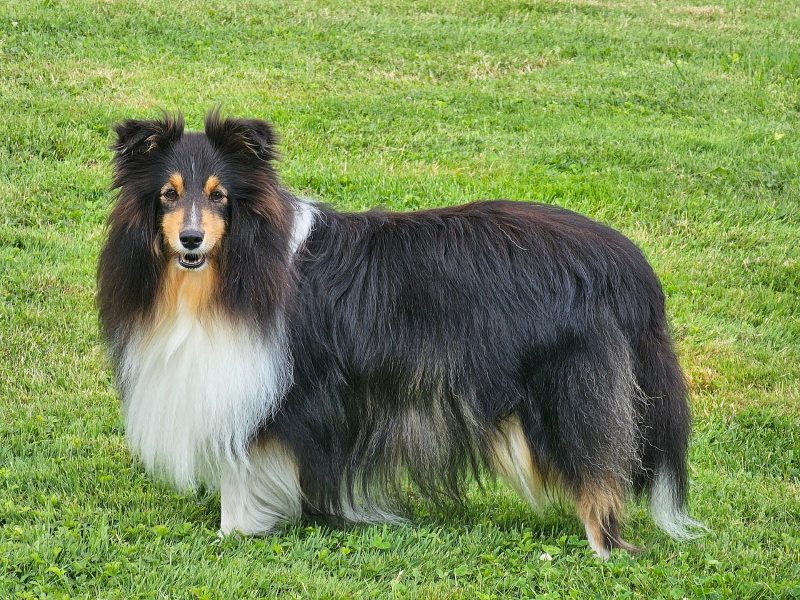
Because the breed was shaped by work rather than looks, Border Collies vary more in appearance than most registered breeds. A typical dog is medium-sized, 18 to 22 inches tall and 30 to 55 pounds, athletic and slightly longer than tall, with a low, gliding trot and the ability to drop into a crouch instantly. The head is moderately broad with a tapering muzzle, ears that may stand up, fold at the tips or hang, and intense oval eyes that are usually brown but may be blue, especially in merles. There are two coat types: rough, with medium-length hair, feathering and a ruff, and smooth, which is short and sleek. Both are double and weather resistant. Black and white is classic, but red, blue merle, red merle, tricolor, sable and other colors occur. Compared with an Australian Shepherd it is lighter, usually has a tail and a narrower head; compared with a Sheltie it is bigger and far less coated.
Temperament & Personality
The Border Collie is intense, focused and driven. It bonds deeply with its handler, watches constantly for cues, and wants above all to work. It is affectionate with its family but typically reserved with strangers, and it is a thinking dog rather than a social butterfly. Indoors a well-exercised, well-trained Border Collie can be calm; an under-stimulated one paces, stares, whines and invents jobs. The herding instinct is powerful and shows up as the famous eye, a fixed stare, plus stalking, circling and nipping at anything that moves, including running children, cyclists and cars. This makes the breed a poor match for homes with small children unless carefully managed. Many are sensitive to sound and motion, and some develop compulsive habits such as light or shadow chasing. With other dogs they are usually tolerant but may try to control play. Cats are often herded; small pets are chased.
Exercise & Activity
Think in terms of hours, not minutes. An adult Border Collie needs at least one to two hours of vigorous activity daily, and simply running it until it is tired builds an ever-fitter dog with the same restless mind. The real requirement is work that engages the brain: herding lessons, agility, flyball, disc, obedience, scent work, trick training and complex fetch games with rules. Long hikes, running and swimming are good supplements. Puppies should not be over-exercised while their joints develop, and endless ball throwing can create an obsessive dog, so build in rest and settle training. Border Collies handle cold and wet with ease but can overheat when working in summer heat, since they do not stop on their own. Without enough to do:
Shadow, light or reflection chasing and other compulsions
Herding and nipping family members or vehicles
Chewing, digging, escaping and nonstop barking
Training
Border Collies learn faster than almost any other breed, which is a mixed blessing: they pick up what you teach and everything you did not mean to teach with equal speed. They are motivated by work itself, by toys and by food, and they respond to clear, consistent, positive methods. Harsh handling is unnecessary and damaging to a sensitive dog. Early priorities are an off switch, meaning the ability to settle quietly when nothing is happening, and impulse control around movement. Teach a rock-solid recall and a down at a distance, which can stop a chase. Socialize puppies broadly to people, surfaces, noises and traffic, because the breed's sensitivity can tip into fear. Redirect herding behavior toward appropriate outlets rather than punishing it. Structured sports suit the breed well, and many owners find that herding lessons, even without livestock at home, transform the dog. Keep sessions varied; a bored Border Collie starts improvising.
Grooming & Care
Grooming is straightforward. Rough-coated dogs need a thorough brushing once or twice a week with a pin brush and undercoat rake, with extra sessions during the spring and fall shed when the undercoat comes out in clumps. Smooth-coated dogs need a quick weekly brush. Shedding is moderate to heavy year-round. Bathe only when dirty; the coat repels mud once it dries and is mostly self-cleaning. Check feathering and ears for burrs and ticks after time in fields. Working and sporting dogs wear their nails down, but pets need trimming every few weeks. Check ears weekly, brush teeth regularly, and trim hair between the pads if it mats. Do not shave a double coat.
Brushing: weekly, more in shedding season
Professional grooming: rarely needed
Shedding: moderate to heavy, heaviest twice a year
Health
Border Collies are generally healthy and typically live 12 to 15 years. Several inherited conditions have DNA tests, and good breeders test for them: Collie eye anomaly, trapped neutrophil syndrome, Imerslund-Grasbeck syndrome, which prevents absorption of vitamin B12, neuronal ceroid lipofuscinosis, a fatal storage disease, the MDR1 drug-sensitivity mutation, sensory neuropathy, early-onset adult deafness and goniodysgenesis, which raises glaucoma risk. Hip dysplasia, elbow dysplasia and shoulder osteochondritis are screened by radiograph; a BAER hearing test and an annual eye examination round out the usual panel. Conditions without a test include idiopathic epilepsy, lymphoma, patent ductus arteriosus and Border Collie collapse, an exercise-induced episode of wobbliness and disorientation. The AKC parent club lists hip and eye evaluations as the core recommended screens, and the Border Collie Society of America urges breeders to avoid pairing two carriers. If your dog becomes weak or disoriented after hard exercise, or bumps into things in dim light, ask your vet.
Nutrition
Border Collies are lean athletes with efficient metabolisms, and most do well on a quality complete diet fed in two measured meals a day. Portions vary enormously with workload: a dog herding or training hard needs far more than one on a maintenance schedule, so adjust to body condition and expect seasonal changes. You should see a clear waist and feel ribs easily. Puppies should eat a growth diet suited to medium breeds until about a year old without supplements that accelerate growth. Avoid heavy exercise for an hour after meals. Dogs with Imerslund-Grasbeck syndrome require lifelong vitamin B12 under veterinary supervision; this is a medical treatment, not a dietary tweak, so ask your vet. Picky eating is common in intense dogs that would rather work than eat; feeding after exercise and keeping mealtimes calm often helps. Food-dispensing toys and training rewards are a useful way to deliver part of the daily ration while exercising the mind.
Living With This Breed
A Border Collie belongs in a house with a securely fenced yard and, ideally, access to open land. Apartments work only for dedicated owners with a daily sports or running routine. It tolerates cold well and copes with heat if it is not asked to work in it. It is best in homes with older children who understand not to run and squeal around a herding dog, and it generally accepts other dogs; cats and small pets may be herded or chased. It should not be left alone for long days without a serious outlet first. It can clear or dig under many fences and may chase cars and cyclists through gaps.
For sitters: this dog needs a task; bring a puzzle toy and training treats
Keep it leashed near roads and livestock
Watch for fixation on lights, shadows or the cat
Ask whether the dog is MDR1 tested before any medication
Interesting Facts
A Border Collie named Chaser learned the names of more than a thousand toys, the largest tested vocabulary of any dog.
Virtually every Border Collie descends from Old Hemp, born in 1893, whose quiet stalking style became the breed's standard way of working.
The fixed stare a Border Collie uses to move sheep is called the eye, and dogs are described as having too much or too little of it.
In the film Babe, the sheepdogs Fly and Rex are Border Collies.
Border Collies dominate agility, flyball and disc dog competitions and routinely top lists of the most intelligent breeds.
Many working-dog registries still refuse to register dogs from show lines, half a century after the AKC recognition fight.
Breeds similar to the Border Collie
What Border Collie owners say
Real pets, photos, stories and tips from the SitterNation community — separate from the editorial guide above.
Log in to add your pet, photos, stories and tips.
Meet Border Collies on SitterNation
No Border Collies have joined yet. Owners can show their pet here from the pet's profile.
Border Collie community photos
No Border Collies photos yet — be the first to share one.
Stories from Border Collie owners
No stories yet. What is life with yours really like?
Tips from Border Collie owners
No tips yet. One practical thing that works for you is enough.
Ask Border Collie owners
No questions yet. Ask the people who live with the breed.