Typical tendencies
Energy level
Ready to go when you are, settles after.
Good with children
A famously patient playmate for kids.
Good with other dogs
Enjoys most canine company.
Trainability
Lives for the lesson; a trainer's dream.
Shedding
Keep the lint roller within reach.
Apartment friendly
Can manage in a flat with plenty of outings.
More traits
Exercise needs
Adaptability
Grooming needs
Drooling
Intelligence
Family friendly
Good with cats
Friendly with strangers
Sociability
Protectiveness
Prey drive
Overview
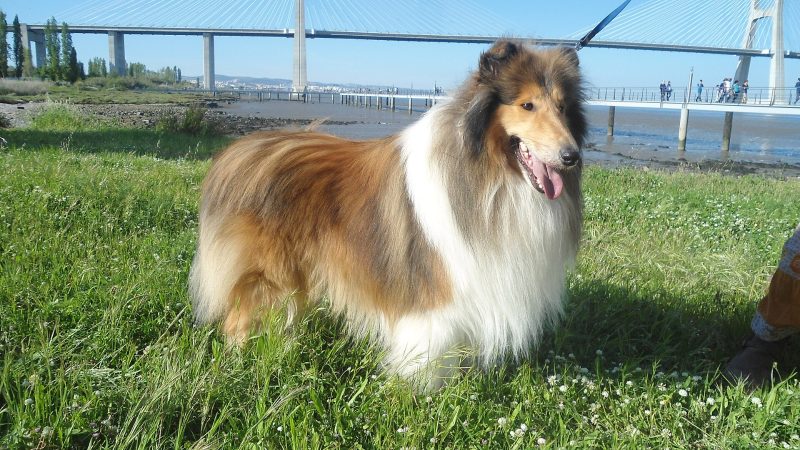
The Collie is the dog a generation grew up believing every dog should be: gentle, loyal, clever and devoted to children. Lassie was not far from the truth. Behind the elegant long nose and the flowing coat of the Rough variety, or the sleek jacket of the less common Smooth, is a sensitive herding dog that wants to be with its family and is easy to live with once its moderate exercise needs are met.
The breed suits families with children, first-time owners willing to groom and anyone who wants a biddable, affectionate dog of good size without the intensity of a Border Collie or Malinois. It is less suited to people who are away all day, dislike dog hair or want a quiet dog; Collies bark. Expect a companion that reads your mood, herds the kids at bedtime and lives 12 to 14 years.
History & Origin
Collies developed in the Scottish Highlands and lowlands and in northern England as all-purpose sheepdogs; the Smooth variety drove stock to market while the Rough stayed with flocks on the hills. Their ancestry is undocumented, and some believe a Borzoi cross in the 1800s lengthened the head into today's refined wedge. Queen Victoria encountered the breed at Balmoral around 1860 and took several back to Windsor, which turned a working dog into a fashionable one almost overnight.
A Collie club formed in England in 1881, the American Kennel Club recognized the breed in 1885, and the Collie Club of America, one of the oldest parent clubs, followed in 1886. Wealthy Americans including J. P. Morgan paid record prices for imports. Albert Payson Terhune's Sunnybank stories in the 1920s and Eric Knight's Lassie Come-Home in 1940, filmed in 1943 with the dog Pal, cemented the breed's place as the family dog of the English-speaking world.
Appearance
A Collie is a large, lithe herding dog with a distinctive head: a long, smooth, blunted wedge with almost no stop, parallel planes of skull and muzzle, almond-shaped eyes set obliquely and small ears carried three-quarters erect with the tips tipping forward. Males stand 24 to 26 inches and weigh 60 to 75 pounds; females are 22 to 24 inches and 50 to 65 pounds. The body is slightly longer than tall, with a deep chest and a long tail carried low with an upward swirl.
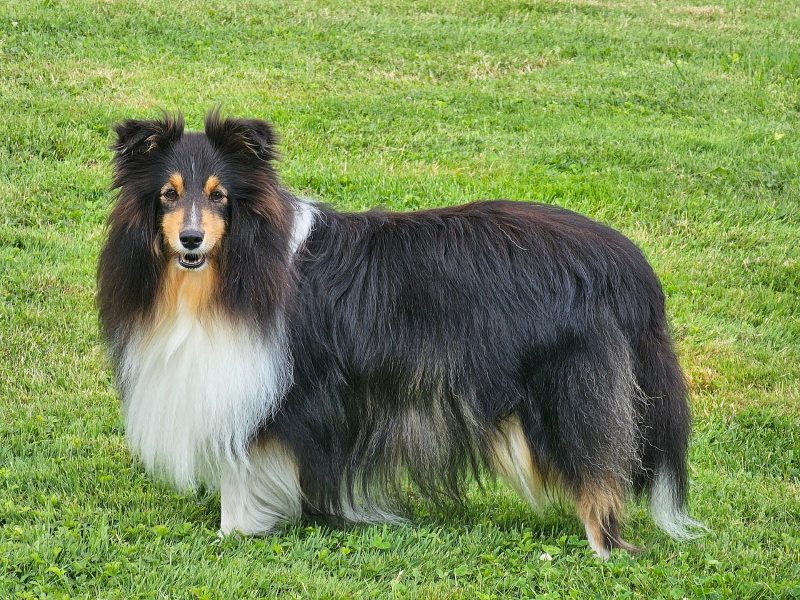
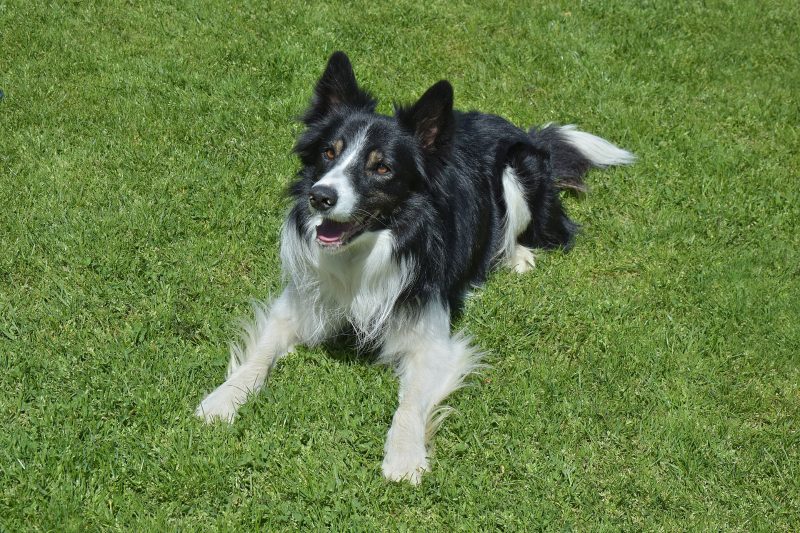
The Rough Collie wears a long, harsh, straight outer coat over a dense undercoat, with a full mane and frill, feathered legs and a smooth face. The Smooth Collie has a short, dense, flat coat and the same outline underneath. Colors are sable and white in many shades, tricolor, blue merle and white with colored markings. A Shetland Sheepdog looks similar but stands under 16 inches; a Border Collie has a broader head and a definite stop.
Temperament & Personality
Collies are sweet-natured, sensitive and family-focused. They form close bonds with every member of the household and have a special affinity for children, whom they tend to follow, supervise and occasionally herd. Energy indoors is calm once the dog is adult and exercised; outdoors they are playful and athletic without being frantic. Many are emotionally attuned to their people and wilt under harsh words or family tension.
Watchfulness is strong. Collies bark to announce visitors, delivery vans and distant dogs, and barking is the most common complaint about the breed. With strangers they are polite but reserved at first, warming quickly. They are usually good with other dogs and cats, especially those they grow up with, and prey drive is modest. Some lines carry shyness, so meet the parents. A Collie left alone for long days becomes vocal and unhappy; this is a dog that needs its people.
Exercise & Activity
A Collie needs about an hour of exercise a day: a good walk or two, some running in a fenced yard or on a long line, and a game that involves its brain. The breed is athletic but not driven, so a brisk walk, fetch session and a training game usually satisfy it, after which it settles happily indoors. Herding, agility, rally, obedience and scent work all suit the breed and give it the mental work it enjoys.
Rough Collies handle cold beautifully and tolerate heat less well; in summer exercise early and late and provide shade and water. Smooth Collies cope slightly better in heat.
A bored Collie barks, paces and may nip heels in play.
Puppies should avoid repetitive jumping and long runs until about a year old.
Off-leash reliability is good in most Collies, but moving traffic triggers chasing in some.
Training
Collies are among the easiest breeds to train. They are bright, attentive and want to please, and they learn household routines almost by themselves. Reward-based training with praise, play and food produces fast, happy results; the breed is sensitive enough that a sharp tone is a correction and anything harsher damages trust. Keep sessions varied, because Collies bore quickly with repetition and may start improvising.
The common sticking points are barking, which needs a quiet cue taught early and consistently rewarded, and mild herding behaviors such as circling or nudging children, which are best redirected into a game. Recall is usually reliable. Socialize puppies widely to build confidence, especially in lines with any shyness. Collies excel in obedience, rally, herding trials, agility and therapy work, and many owners find the dog is happiest when it has a weekly class to look forward to.
Grooming & Care
The Rough Collie's coat needs less daily work than it looks but real weekly work. Brush thoroughly once or twice a week with a pin brush and a slicker, working in layers down to the skin, and comb the fine hair behind the ears, under the elbows, in the pants and under the collar where mats form. The undercoat drops heavily once or twice a year, when daily brushing for a few weeks keeps the house livable; many owners book a professional blow-out then. Bathe every month or two. Never shave a Collie; the double coat insulates against heat as well as cold.
The Smooth Collie needs only a weekly brush but sheds just as much.
Trim nails every three to four weeks and tidy hair between the pads.
Check the tipped ears weekly.
Brush teeth several times a week.
Unspayed females usually drop coat after each season.
Health
Collies are generally healthy but carry several well-characterized inherited conditions, most of them testable. Collie eye anomaly is a developmental defect affecting a large share of the breed; puppies are examined by a veterinary ophthalmologist at five to eight weeks, and a DNA test identifies carriers. Progressive retinal atrophy, a rarer cause of blindness, also has a DNA test. The MDR1 mutation is present in most Collies and makes affected dogs dangerously sensitive to certain parasite treatments, anti-diarrhea drugs, sedatives and chemotherapy agents; a simple DNA test tells your vet which drugs to avoid or dose down.
Dermatomyositis, an inflammatory skin and muscle disease of young dogs, and cyclic neutropenia, or gray collie syndrome, have genetic tests as well. Hip dysplasia is less common than in similar-sized breeds; bloat, epilepsy, hypothyroidism and degenerative myelopathy occur. Breeders typically screen eyes, MDR1, hips and often thyroid. Typical lifespan is 12 to 14 years. Tell every vet and groomer your Collie's MDR1 status.
Nutrition
Collies tend to hold a healthy weight and are rarely greedy, but the thick coat hides both thinness and fat, so check body condition by hand every couple of weeks rather than by eye. Feed a complete diet suited to life stage: a large-breed puppy food for steady growth until around a year, then an adult maintenance food, adjusted to how much the dog actually does. Two measured meals a day are better than free-feeding.
The breed is deep-chested and bloat occurs, so avoid vigorous exercise for an hour either side of meals and use a slow-feeder if your Collie gulps. Coat and skin quality respond to diet; if the coat looks dull or the skin flaky, ask your vet before buying supplements. Some Collies are picky eaters, especially sensitive dogs in stressful periods, which is usually solved by routine rather than by changing foods. Keep dogs with MDR1 mutations away from livestock droppings on farms that use ivermectin-based wormers.
Living With This Breed
Collies adapt to most homes with a yard and can manage in a large apartment if they are walked well and their barking is managed, but a house in a quiet neighborhood is a better fit. They must live indoors with the family, cope well with cold and need shade and air conditioning in hot summers. They are outstanding with children, good with other pets and tolerant of visitors once introduced.
Shedding is heavy and the Rough coat needs a grooming routine. Time alone should be limited; this is a companionable breed that may bark or chew when lonely.
Sitters and daycare should know the dog's MDR1 status and keep its medication list on hand.
Expect alert barking; a settle routine helps in a new place.
Keep the brush schedule going during longer stays so mats do not form.
Interesting Facts
Pal, the dog who played Lassie in the 1943 film, founded a line of male Rough Collies that played the role for decades.
Reveille, the official mascot of Texas A&M University, has been a Rough Collie since the 1960s and holds the highest rank in the Corps of Cadets.
Queen Victoria's enthusiasm for Collies in the 1860s turned a shepherd's dog into a fashionable pet almost overnight.
A Rough Collie, Laund Loyalty of Bellhaven, won Best in Show at Westminster in 1929 at just nine months old, still the youngest winner.
The name probably comes from colley, a Scottish word for the black-faced sheep the dogs once herded.
Author Albert Payson Terhune's Sunnybank Collies, led by Lad, were so famous in the 1920s that fans visited the New Jersey estate by the thousand.
Breeds similar to the Collie
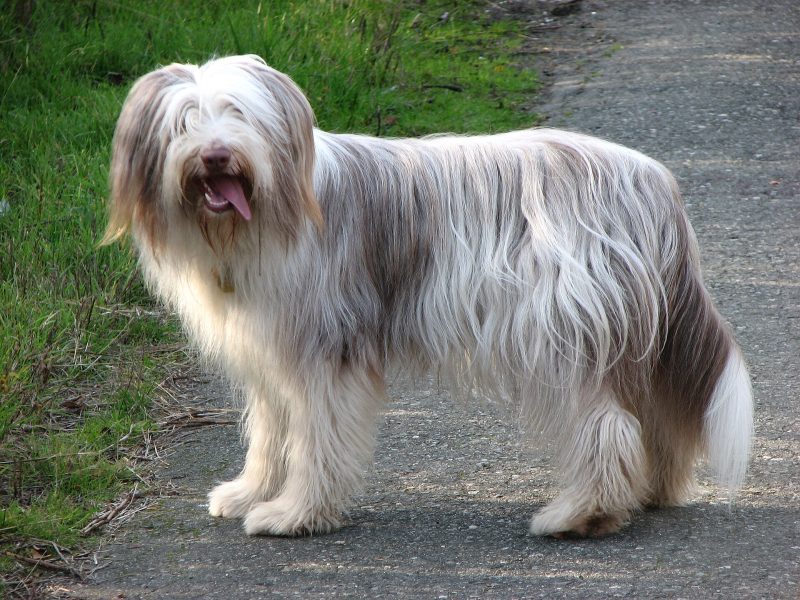
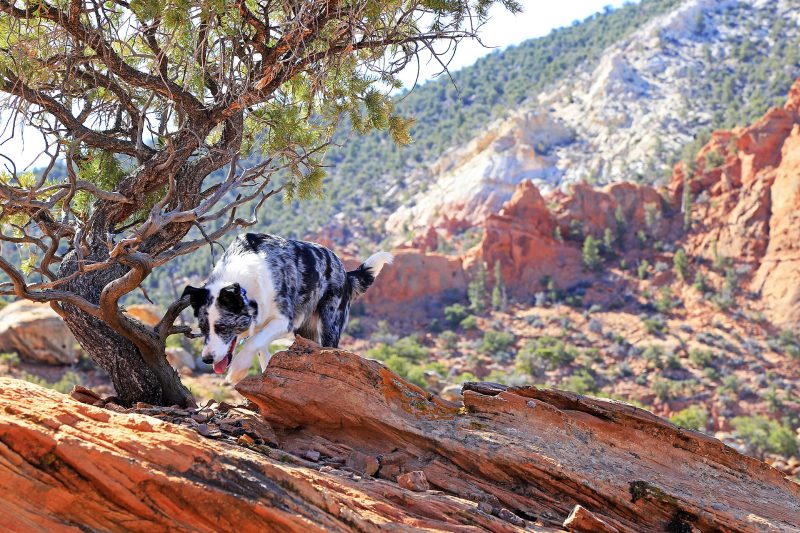
What Collie owners say
Real pets, photos, stories and tips from the SitterNation community — separate from the editorial guide above.
Log in to add your pet, photos, stories and tips.
Meet Collies on SitterNation
No Collies have joined yet. Owners can show their pet here from the pet's profile.
Collie community photos
No Collies photos yet — be the first to share one.
Stories from Collie owners
No stories yet. What is life with yours really like?
Tips from Collie owners
No tips yet. One practical thing that works for you is enough.
Ask Collie owners
No questions yet. Ask the people who live with the breed.