Typical tendencies
Energy level
Always on; boredom turns into mischief.
Good with children
A famously patient playmate for kids.
Good with other dogs
Gets along with known, polite dogs.
Trainability
Quick to learn and keen to please.
Shedding
Noticeable, with heavier seasonal blows.
Apartment friendly
Fine in a flat if exercise is kept up.
More traits
Exercise needs
Adaptability
Grooming needs
Drooling
Intelligence
Family friendly
Good with cats
Friendly with strangers
Sociability
Protectiveness
Prey drive
Overview
The Boxer is a muscular, square-jawed working dog with the heart of a clown and the devotion of a bodyguard. Developed in Germany in the 1890s from bull-baiting and hunting mastiffs, it became one of the first police dogs and then one of America's favorite family pets. Boxers are famous for staying puppyish well into adulthood, bouncing on their hind legs, batting with their front paws and inventing games for anyone who will join in.
They suit active families with children, people who want a playful but protective companion and owners who can commit to daily exercise and training. They are less suitable for people who work long hours, live in hot climates without air conditioning or dislike drool and a dog that leans its whole weight on them. Choose a breeder who tests hearts and you get a loyal, funny, big-hearted dog.
History & Origin
The Boxer descends from the Bullenbeisser, a German mastiff-type hunting dog that held boar and bear for the hunter and later worked for butchers and cattle dealers. In the late 1800s breeders in Munich crossed the smaller Brabant type of Bullenbeisser with English Bulldogs to produce a more refined, agile dog. The first Boxer club was founded in Munich in 1895, and the standard it published in 1904 still underpins the modern one. The origin of the name is debated; it may come from a German slaughterhouse dog called the Boxl or from the breed's habit of sparring with its front paws.
Boxers were among the first dogs trained for police and military work in Germany, and served as messengers and guards in both world wars. The AKC registered its first Boxer in 1904 and the American Boxer Club was founded in 1935. Popularity exploded after the Second World War, when returning soldiers brought dogs home, and the breed has ranked among America's most popular dogs ever since.
Appearance
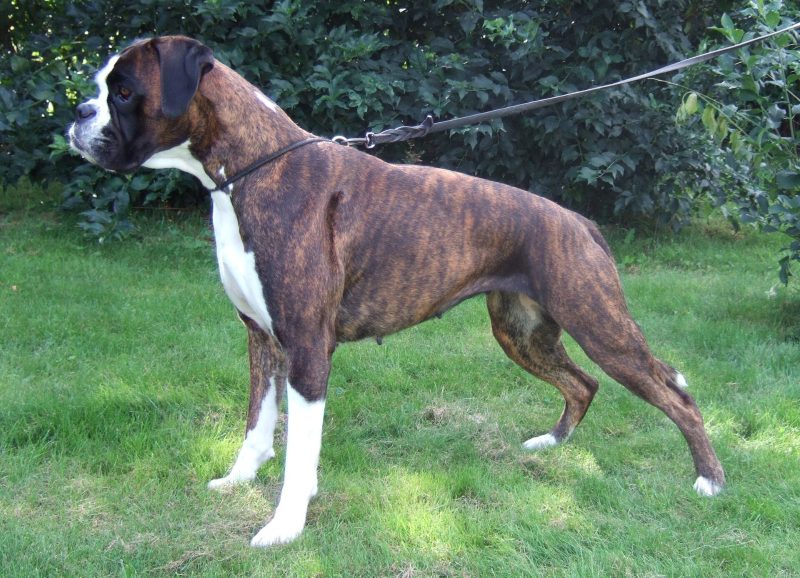
A Boxer is a medium-large, square dog of clean, hard muscle. Males stand 23 to 25 inches and weigh 65 to 80 pounds; females 21.5 to 23.5 inches and 50 to 65 pounds. The head is the breed's hallmark: a broad, blunt muzzle that is short but not flat, a distinct stop, dark expressive eyes and a slightly undershot bite with the lower jaw curving upward. The lips are deep and the forehead wrinkles when the dog is alert. Ears are cropped and erect where legal, otherwise they fold forward; tails are traditionally docked, or carried naturally where docking is banned.
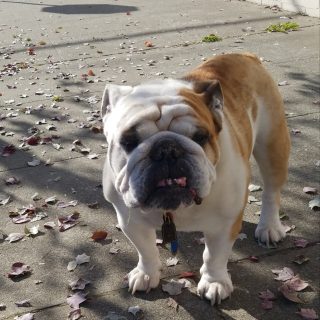
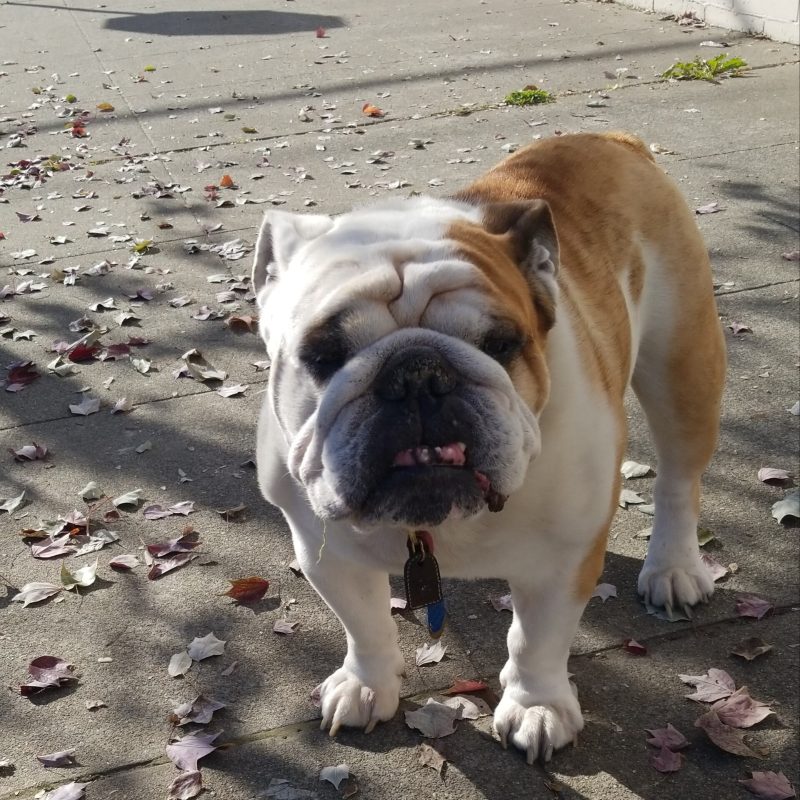
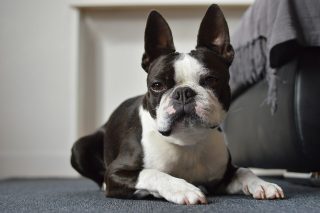
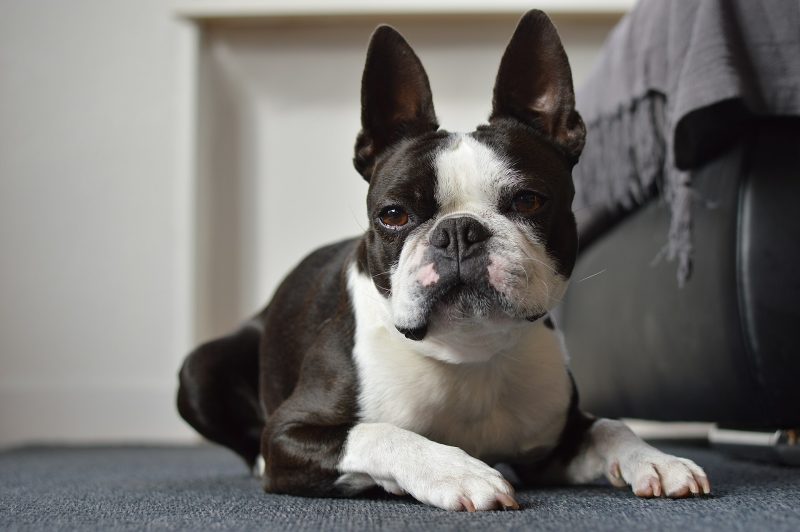
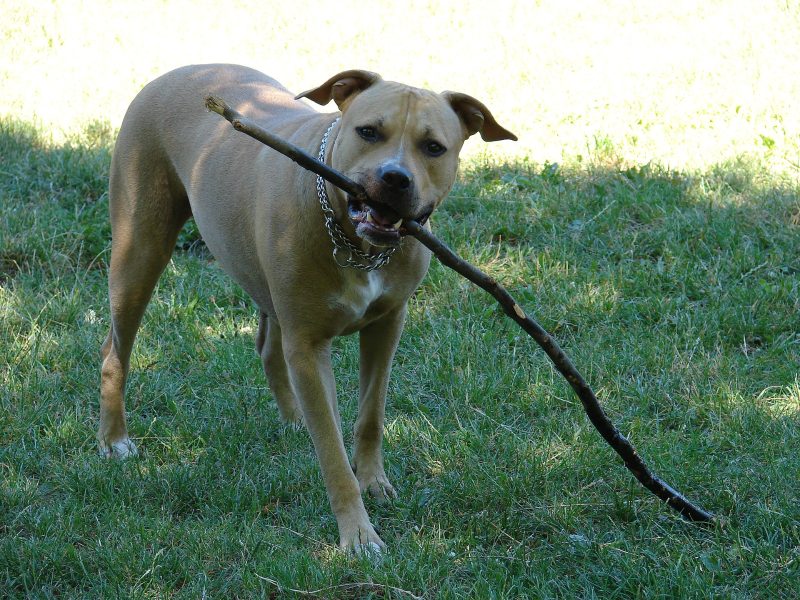
The chest is deep, the back short and the gait powerful and ground covering. The coat is short, tight and glossy, in fawn from light tan to deep mahogany or in brindle, with a black mask and often white markings on the face, chest and feet. White Boxers occur but are not shown. Bulldogs are shorter and heavier; Boston Terriers are much smaller.
Temperament & Personality
Boxers are exuberant, affectionate and funny. They greet family with a full-body wiggle called the kidney bean, stand on their hind legs to hug and use their front paws like a boxer in the ring, which is one theory for the name. They are patient and gentle with children in their own family and famously tolerant, but their enthusiasm can knock small kids down. With strangers they are alert and may be reserved at first, barking an announcement and then deciding; they are natural guardians who rarely need encouragement to protect.
Many Boxers are fine with other dogs, but same-sex scuffles are not unusual and some are intense with cats and small pets. They are intelligent, stubborn when bored and sensitive to harsh correction. Energy is high until at least three years old and often much longer. They drool, snore, grunt and make a range of noises. Above all they want to be with their people and do not do well shut away.
Exercise & Activity
Boxers need at least an hour of exercise a day, and young dogs will happily take more. Brisk walks, jogging on soft ground once mature, fetch, tug, hiking and play with other dogs all work, and many Boxers enjoy agility, obedience, flyball and nose work, which also tire the brain. Keep play sessions structured, because an over-aroused Boxer bounces off people. Puppies should avoid repetitive high-impact exercise until about 18 months.
The short muzzle is the limiting factor: Boxers overheat quickly, so exercise in the cool of the day in summer, carry water, watch for heavy panting and never leave one in a car. The short coat also offers little protection from cold, and a jacket is sensible in freezing weather. A Boxer without enough exercise becomes destructive, mouthy and loud.
At least 60 minutes daily, split into sessions
Avoid heat and humidity; short-muzzled breed
Dog sports suit the breed well
Training
Boxers are smart and eager to play, but they bore quickly and have a stubborn streak, so training should be short, lively and rewarding. Food works, toys work better for many, and the chance to play with you works best of all. Harsh methods make a Boxer shut down or get silly. Start early with the basics the breed most needs: four feet on the floor when greeting, loose-leash walking, a reliable recall and a settle on cue.
Mouthing is common in puppies and needs consistent redirection onto toys. Socialize widely and positively with people, dogs and new environments to channel the breed's watchfulness into confidence rather than suspicion. Impulse control exercises help with the bouncing. Boxers excel in obedience, agility and as service and therapy dogs, and were among the first breeds used as guide dogs. Crate training gives an energetic dog a place to switch off.
Grooming & Care
The Boxer's short, glossy coat needs little more than a weekly rub with a rubber curry brush or grooming mitt to remove loose hair and a bath every month or two or when muddy. Shedding is moderate and year round. The face needs more attention: wipe the facial wrinkles and the folds around the muzzle regularly to prevent moisture and bacteria from building up, and keep a towel handy for drool after drinks and meals.
Natural ears should be checked weekly and cleaned if needed. Trim nails every two to three weeks, since active dogs may not wear them down evenly. Brush teeth several times a week; the undershot jaw crowds the teeth and makes tartar more likely. Check the eyes, which are prominent and prone to scratches and ulcers, and see your vet about any squinting or discharge.
Weekly curry brush, occasional bath
Wipe facial folds and drool daily
Frequent tooth brushing and eye checks
Health
Boxers have a longer health list than most owners expect, and heart screening is the core of responsible breeding. Boxer cardiomyopathy, formally arrhythmogenic right ventricular cardiomyopathy, causes irregular heart rhythms that can lead to fainting or sudden death; a dominant gene variant has been identified, and the parent club recommends an annual 24-hour Holter monitor for breeding dogs from one year of age plus the DNA test. Aortic and subaortic stenosis, a narrowing near the heart's outflow, is checked by a cardiologist with an echocardiogram at two years.
The breed has one of the highest cancer rates of any dog, especially mast cell tumors, lymphoma and brain tumors, so any new lump deserves a vet visit. Degenerative myelopathy has a DNA test. Hip and elbow dysplasia, hypothyroidism, bloat, a bowel disease called Boxer colitis, corneal ulcers and heat stroke related to the short muzzle also occur. White Boxers have a higher rate of deafness. Lifespan averages 10 to 12 years. Ask your vet about heart screening even for a pet.
Nutrition
Boxers are active, lean dogs that should carry visible muscle definition and a clear waist. Puppies grow fast and benefit from a large-breed growth formula fed three times a day until about six months to keep bone development steady. Adults usually do well on two measured meals of a complete food matched to activity; many Boxers are enthusiastic eaters and will gain weight if treats are generous.
Because the chest is deep, bloat is a real risk: feed from the floor, avoid exercise for an hour before and after meals, discourage gulping with a slow feeder and ask your vet about preventive gastropexy. Some Boxers have sensitive stomachs or food intolerances and do better on a consistent diet with few changes. Dogs with heart disease, colitis or cancer may need specific diets as part of their treatment plan, which your vet will set out. Keep fresh water available, especially in warm weather when the breed loses fluid through panting.
Living With This Breed
A Boxer is a house dog that needs a yard or a nearby park and a family that includes it in daily life. It can manage in an apartment with a dedicated owner who exercises it well, but its size, exuberance and noises suit a house better. It must live indoors: the short muzzle makes heat dangerous and the thin coat makes cold uncomfortable. Boxers are devoted to children and usually good with other household pets, with supervision during the bouncy years.
They tolerate a few hours alone once mature but become destructive and distressed if left all day. Fences should be six feet; Boxers jump. A sitter should expect a dog that greets with its whole body, drools, needs a proper walk in the cool part of the day, may be reserved with other dogs and will guard the house with a deep bark. Daycare works for sociable Boxers in well-managed groups.
Indoor dog; no heat exposure
Tall fencing and secure gates
Full-contact greetings and drool are normal
Interesting Facts
Ch. Bang Away of Sirrah Crest won Best in Show at Westminster in 1951 and went on to win 121 all-breed Bests in Show, becoming a national celebrity.
Boxers were among the first breeds trained as guide dogs for the blind in Germany after the First World War.
The Boxer's kidney bean greeting, a full-body curve with a wagging rear, is so characteristic that owners use it as a name for the dog's happiest state.
Roughly one in four Boxers is born mostly white; these dogs make fine pets but are not shown and are more likely to be deaf.
Famous Boxer owners have included Humphrey Bogart and Lauren Bacall, whose dog Harvey appeared in family photographs for years.
The Boxer standard is unusual in describing a curved lower jaw and a specific facial expression as essential to breed type.
Breeds similar to the Boxer
What Boxer owners say
Real pets, photos, stories and tips from the SitterNation community — separate from the editorial guide above.
Log in to add your pet, photos, stories and tips.
Meet Boxers on SitterNation
No Boxers have joined yet. Owners can show their pet here from the pet's profile.
Boxer community photos
No Boxers photos yet — be the first to share one.
Stories from Boxer owners
No stories yet. What is life with yours really like?
Tips from Boxer owners
No tips yet. One practical thing that works for you is enough.
Ask Boxer owners
No questions yet. Ask the people who live with the breed.