Typical tendencies
Energy level
Ready to go when you are, settles after.
Good with children
Gentle and tolerant around children.
Good with other dogs
Enjoys most canine company.
Trainability
Picks up cues with steady, short sessions.
Shedding
Noticeable, with heavier seasonal blows.
Apartment friendly
Can manage in a flat with plenty of outings.
More traits
Exercise needs
Adaptability
Grooming needs
Drooling
Intelligence
Family friendly
Good with cats
Friendly with strangers
Sociability
Protectiveness
Prey drive
Overview
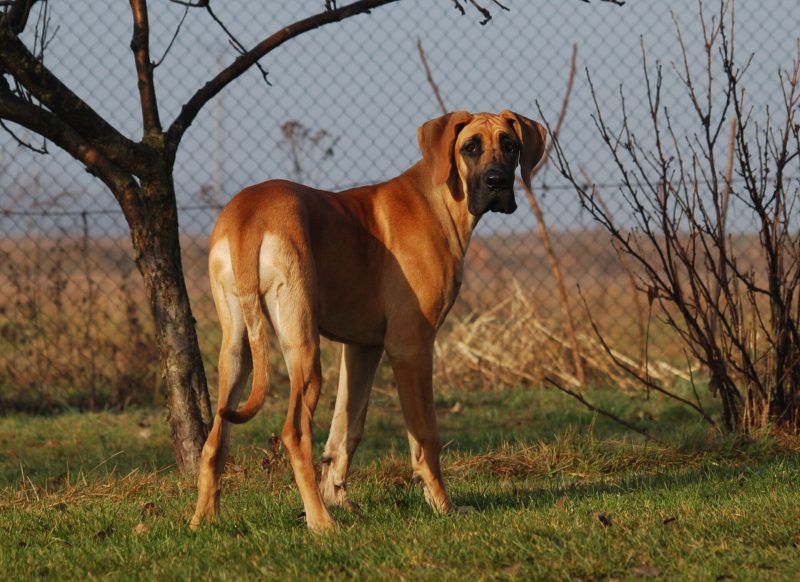
The Great Dane is the gentle giant of the dog world, a dog that can rest its chin on the kitchen counter and still believes it is a lap dog. Originally a boar hound for German nobles, today's Dane is a calm, affectionate housedog that is patient with children, easygoing with other pets and quietly protective of its home. The trade-offs are size and time: everything from food to crates to vet bills scales up, a wagging tail clears a coffee table, and the breed's lifespan of 7 to 10 years is painfully short. Danes are not high-energy but they need daily walks, a soft place to sprawl and training that starts before the puppy outweighs you. This breed suits families with room, a tolerance for drool, and the means to care for a very large dog well. It does not suit tiny apartments or owners who are rarely home.
History & Origin
Despite the English name, the Great Dane is German through and through. Its ancestors were heavy mastiff-type dogs crossed with faster sighthound types to produce a hound strong enough to catch and hold wild boar. By the 1500s German princes kept packs of these boar hounds and gave the handsomest a place by the fire as chamber dogs, which is where the breed's role as an estate guardian and companion began. Boar hunting declined with firearms and the dogs became status symbols. In 1880 German breed authorities ruled that the dog should be called the Deutsche Dogge, a name still used in much of Europe; English speakers had already settled on Great Dane, borrowed from an eighteenth-century French naturalist, and the Danish label stuck despite having no basis in fact. Danes reached America in the late 1800s, the AKC registered the breed in 1887, and the Great Dane Club of America dates from 1889. American breeders then refined temperament toward the steady companion known today.
Appearance
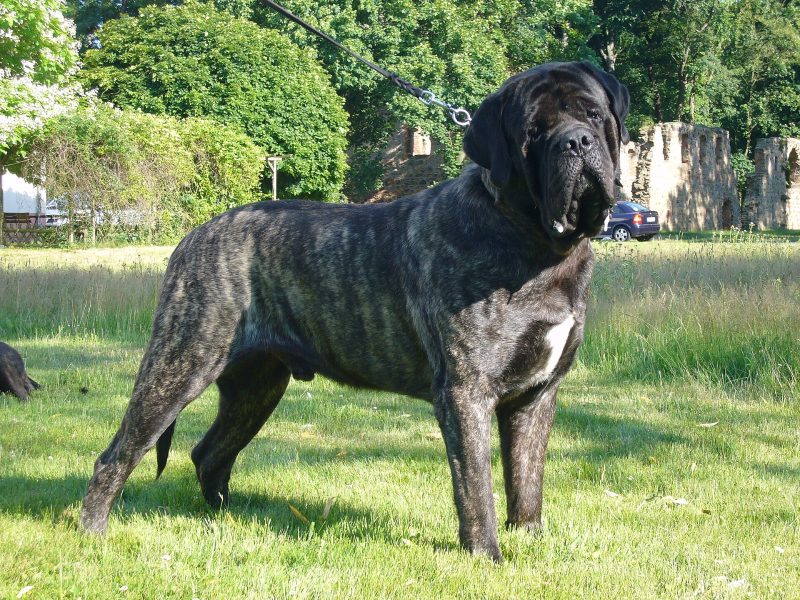
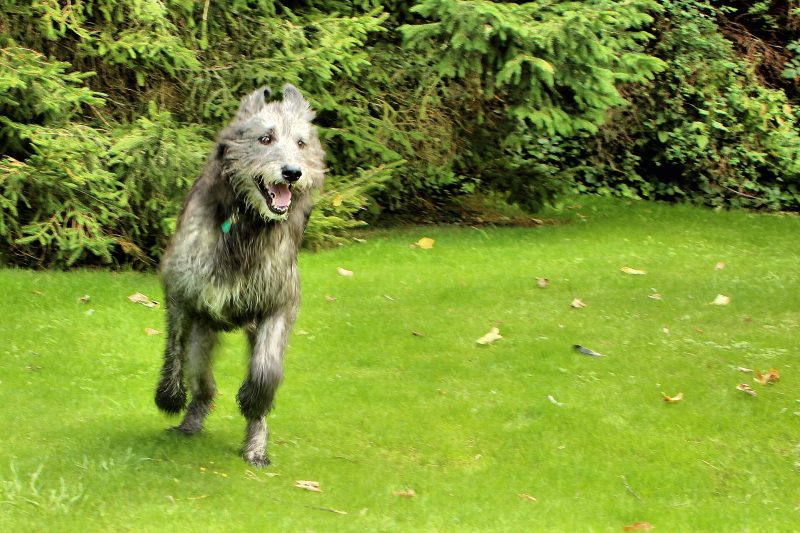
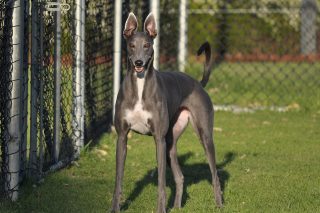
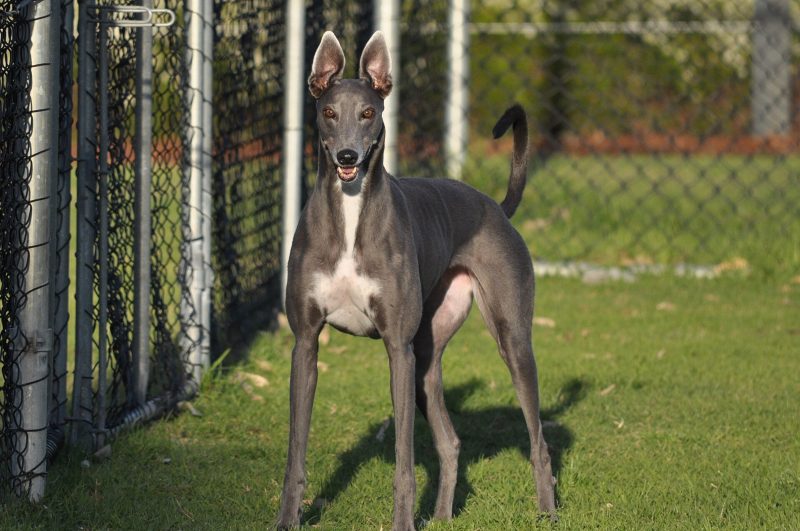
Nothing else looks quite like a Great Dane: a dog as tall as a small pony yet elegant, with a long, rectangular head carried high, a deep chest and a smooth, powerful outline. Males stand 30 to 32 inches at the shoulder and commonly weigh 140 to 175 pounds; females are 28 to 30 inches and 110 to 140 pounds. Ears hang naturally in a soft fold; cropped ears persist in the United States but are banned in much of Europe. The coat is short, thick and glossy and comes in seven recognized patterns: fawn with a black mask, brindle, steel blue, glossy black, harlequin (white with torn black patches), mantle (black with a white blaze, collar and legs) and merle. To tell it from relatives, the Mastiff is heavier and more wrinkled, the Irish Wolfhound is rough-coated and rangier, and a Greyhound is a fraction of the weight.
Temperament & Personality
Great Danes are famously sweet-natured. A typical adult is calm, affectionate and a little goofy, happiest leaning against a favorite person or claiming the sofa. Indoors they are low-key once past adolescence; outdoors they enjoy a walk or a romp but have little stamina for long runs. They are people dogs that dislike being left out and can become anxious if isolated. Most are friendly or politely reserved with strangers and will bark to announce visitors; their size does the rest, and a sound Dane should never be sharp or nervous. They are usually patient with children, though a puppy's clumsiness and an adult's bulk mean toddlers need supervision. Danes generally get along with other dogs and many live happily with cats. Separation anxiety, fearfulness from poor breeding and leaning on guests who did not ask are the common complaints.
Exercise & Activity
An adult Dane needs 30 to 60 minutes of moderate exercise a day: a couple of leisurely walks, some play in a fenced yard and a chance to stretch into a gallop a few times a week. They are not jogging partners until fully grown, and even then short distances on soft ground are kinder to their joints. Puppyhood is the critical period: avoid stairs, jumping, slick floors and forced exercise through at least 18 months, because growth plates in a dog this size close late and damage lasts. Mental exercise matters too; sniff walks, food puzzles and basic obedience keep a young Dane out of trouble. They handle mild cold but have little coat and body fat for real winter, and they overheat in hot weather. A bored Dane chews, counter-surfs and leans on things until they break.
Two moderate walks plus free play daily
No jogging or jumping until growth is complete
A coat or indoor time in cold, shade and water in heat
Training
Train a Great Dane as if it already weighs 150 pounds, because soon it will. Start the day the puppy arrives with gentle, reward-based lessons in sitting for greetings, walking on a loose leash, settling on a mat and keeping four feet on the floor. Danes are moderately trainable: they want to please but can be sensitive and sometimes stubborn, and they do not respond well to harsh handling. Keep sessions short and positive and reward calm. Early socialization is essential so that the adult is confident around people, dogs, traffic and noises; a fearful giant is a hazard. Leash manners are the single most important skill; no one can hold a lunging Dane. Jumping up, counter-surfing and body-slamming in play are the usual sticking points. A sitter should know the dog's cues for leash walking and settling and should never use a retractable leash.
Grooming & Care
Grooming a Great Dane is quick but involves a lot of dog. Brush weekly with a rubber curry or hound glove to lift dead hair; shedding is moderate year-round with heavier seasonal sheds. Bathe only as needed, perhaps every couple of months, using a mild shampoo. Danes drool, especially after drinking and when excited, so a jowl towel lives in most Dane homes. Check hanging ears weekly for wax or odor and wipe gently. Nails grow quickly and long nails change how a giant dog stands, so trim every two to three weeks. Brush teeth several times a week. Watch elbows and hocks for calluses and pressure sores; a thick orthopedic bed prevents most of them.
Weekly brushing, more in spring and fall
Nails every 2 to 3 weeks, ears weekly, teeth most days
Provide a padded bed to protect elbows and hips
Health
The Great Dane's lifespan of 7 to 10 years reflects the health burden of giant size. Gastric dilatation-volvulus (bloat), in which the stomach fills with gas and twists, is the breed's leading emergency; signs include a swollen abdomen, unproductive retching and restlessness, and they mean an immediate trip to the vet. Dilated cardiomyopathy is common and can be silent until advanced, so breeders echocardiograph breeding stock and owners should ask their vet about heart checks. Wobbler syndrome (cervical vertebral malformation) causes an unsteady gait in young and middle-aged dogs. Osteosarcoma, hip dysplasia and hypothyroidism are also seen more often than in the general dog population. The parent club recommends that breeding dogs have hip evaluations (OFA or PennHIP), echocardiograms, thyroid panels and eye exams, repeated periodically. Talk to your vet about a preventive gastropexy, and keep up annual exams, because early detection matters more in a dog with little time to spare.
Nutrition
How you feed a Dane puppy shapes its skeleton. Use a large- or giant-breed puppy food with controlled calcium and moderate calories, keep the puppy lean, and do not add calcium or push growth; faster is not better. Switch to adult food when your vet advises, often around 18 months. Adults eat a lot, but split it into two or three meals rather than one, and keep hard exercise an hour away from mealtimes, the standard advice to reduce bloat risk. Raised feeders were once recommended for bloat but are now thought to increase risk, so feed from the floor unless your vet says otherwise. Monitor body condition by feel; ribs should be easy to find and the waist obvious. Older Danes may need joint support and a senior formula; ask your vet rather than guessing. Fresh water always, and no gulping sessions right after exercise.
Living With This Breed
Great Danes adapt to apartment life better than you might expect because they are calm indoors, but they need space to turn around, a bed the size of a twin mattress and no steep stairs for puppies. A house with a yard is easier. They are not outdoor dogs and tolerate neither hot days nor cold nights well. Danes are deeply social and do poorly when left alone for long days; a sitter visit or daycare that accepts giants helps. Most are wonderful with children and other pets, but their bulk knocks over toddlers and their tails clear tables. Barking is modest; drooling is not. Budget realistically for food, medication dosed by weight and a vehicle that fits the dog.
Sitters: no retractable leashes, no rough play on slick floors, feed exactly as instructed
Know the signs of bloat and the nearest emergency clinic
Expect leaning, counter-height noses and a very soft heart
Interesting Facts
The tallest dog ever recorded by Guinness World Records was a Great Dane named Zeus, who stood 44 inches at the shoulder.
Scooby-Doo and the comic-strip Marmaduke are both Great Danes, which explains a generation of children asking for one.
Germany calls the breed the Deutsche Dogge, and the Danish connection in the English name has no historical basis.
Danes make popular therapy dogs because their height lets them rest a head on a hospital bed without climbing up.
The Great Dane has been the official state dog of Pennsylvania since 1965, chosen because William Penn kept one.
Breeds similar to the Great Dane
What Great Dane owners say
Real pets, photos, stories and tips from the SitterNation community — separate from the editorial guide above.
Log in to add your pet, photos, stories and tips.
Meet Great Danes on SitterNation
No Great Danes have joined yet. Owners can show their pet here from the pet's profile.
Great Dane community photos
No Great Danes photos yet — be the first to share one.
Stories from Great Dane owners
No stories yet. What is life with yours really like?
Tips from Great Dane owners
No tips yet. One practical thing that works for you is enough.
Ask Great Dane owners
No questions yet. Ask the people who live with the breed.