Typical tendencies
Energy level
Needs a real outlet most days.
Good with children
Gentle and tolerant around children.
Good with other dogs
Gets along with known, polite dogs.
Trainability
Quick to learn and keen to please.
Shedding
Barely a hair on the sofa.
Apartment friendly
A natural fit for city living.
More traits
Exercise needs
Adaptability
Grooming needs
Drooling
Intelligence
Family friendly
Good with cats
Friendly with strangers
Sociability
Protectiveness
Prey drive
Overview
The Miniature Schnauzer is a small dog with a big opinion about everything, and that is most of its charm. Bred down from the Standard Schnauzer on German farms, it kept the working attitude: it wants a job, notices every sound and will tell you about the delivery driver before the doorbell rings. In exchange you get a sturdy, cheerful companion that is affectionate with its family, playful with children and small enough for an apartment, yet tough enough for a long hike. The wiry coat sheds very little, which draws allergy-conscious households, though it needs regular clipping or hand-stripping to stay tidy. Expect a dog that learns fast, bores easily and treats squirrels as unfinished business. This breed suits first-time owners who are ready to train consistently, families who want a watchdog without a large guard dog, and anyone who likes a dog with personality to spare.
History & Origin
Schnauzers are old German farm dogs, valued for driving stock, pulling small carts and keeping rat numbers down. In the second half of the nineteenth century breeders in southern Germany began producing a smaller version by crossing compact Standard Schnauzers with small breeds, most often cited as the Affenpinscher and probably the Poodle. The goal was a ratter that could squeeze into tight barn corners and still fit in a farmhouse kitchen. A dog recorded as a Miniature appears in German records in the late 1880s, and the variety was shown separately from the Standard by 1899. The first Miniatures reached the United States in the mid-1920s; the American Kennel Club recognized the breed in 1926 and the American Miniature Schnauzer Club formed in 1933. Unlike the FCI, which groups all Schnauzers with the Pinschers, the AKC placed the Miniature in the Terrier Group, where it still competes. After the Second World War it became one of America's most popular breeds.
Appearance
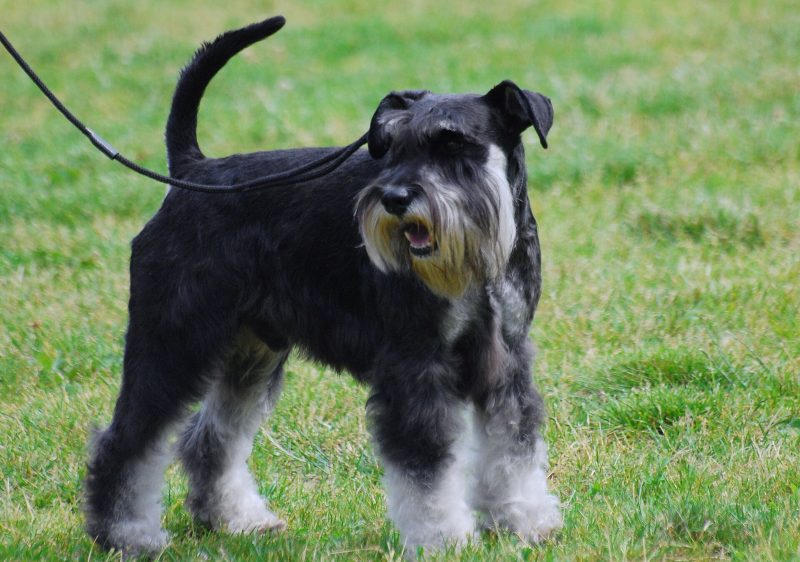
Picture a square little dog, 12 to 14 inches at the shoulder, with a rectangular head, bushy eyebrows and a full beard that gives it a slightly professorial look. The body is compact and muscular rather than dainty, and the dog moves with a brisk, ground-covering trot. Ears are set high and fold forward naturally; in some countries they are still cropped to stand erect. The coat is a hard, wiry outer layer over a soft undercoat, with longer furnishings on the legs, chest and face. Recognized colors are salt and pepper (banded gray hairs that read as silvery gray), black and silver, and solid black; white is accepted by the FCI but not by the AKC. To tell it from look-alikes: it is much smaller than the Standard Schnauzer, has a longer muzzle and leggier frame than the Affenpinscher, and lacks the Scottish Terrier's long, low body and oversized head.
Temperament & Personality
This is a bright, extroverted dog that likes being in the middle of family life. Indoors it is busier than most small breeds but settles once it has had a walk and some attention; outdoors it is alert, nosy and quick to chase. Miniature Schnauzers bond closely with their people and often follow one person from room to room, but they are rarely clingy. They make excellent watchdogs and bark readily at visitors, passing dogs and noises you cannot hear; without training that bark can become a habit. With strangers they are usually polite after a brief inspection. They tend to be good with children who treat them respectfully, fine with dogs they grew up with, and more cautious with cats and anything small and fast, because the ratter is still in there. Stubborn streaks show up, usually when a scent is more interesting than you are.
Exercise & Activity
Plan on 45 to 60 minutes of activity a day, split into two walks plus a play session. A brisk walk satisfies the body; a sniff-heavy walk, a game of fetch or a few minutes of trick training satisfies the mind, and a tired mind matters more than a tired body with this breed. Miniature Schnauzers do well in agility, rally, barn hunt and earthdog events, which channel the chasing instinct into something you can cheer for. Because prey drive is real, keep them leashed or inside a secure fence; a squirrel across the road will beat your recall. They handle cold weather well with their double coat but can overheat on hot days, so shift exercise to mornings and evenings in summer. Bored Schnauzers bark at windows, dig and shred.
Two walks a day plus a game or training session
Secure fence; recall is unreliable around wildlife
Puzzle feeders and nose games on rainy days
Training
Miniature Schnauzers learn quickly and enjoy working with people, which makes training pleasant as long as you keep it interesting. They respond best to short, upbeat sessions with food or play rewards and lose patience with endless repetition. Start early on the two things most owners struggle with: barking and recall. Teach a reliable quiet cue and reward calm behavior at the window before alert barking becomes a hobby, and practice recall on a long line because the breed's chase instinct can override a half-learned command. Housetraining is usually straightforward with a consistent schedule. Socialize puppies widely with people, calm dogs, traffic and handling, since a well-socialized Schnauzer is confident rather than suspicious. Many thrive in obedience, rally, agility and scent work. Harsh corrections backfire; this dog shuts down or argues. A sitter should know the dog's cues and keep sessions playful.
Grooming & Care
The wiry coat barely sheds, but it does not take care of itself. Brush and comb two or three times a week, paying attention to the beard, leg furnishings and underarms where mats form. Most pet Schnauzers go to a professional groomer every six to eight weeks for a clip; clipping softens the coat texture over time, while hand-stripping (plucking the dead outer hairs) keeps it hard and the color crisp, which is why show dogs are stripped. Wipe the beard after meals and drinks to prevent staining and odor. Bathe about monthly or when dirty. Check the folded ears weekly and clean them if waxy, trim nails every few weeks, and brush teeth several times a week because small breeds collect tartar fast.
Brush and comb 2 to 3 times weekly, daily for a long beard
Groomer every 6 to 8 weeks (clip) or periodic hand-stripping
Ears weekly, nails every 2 to 4 weeks, teeth most days
Health
Miniature Schnauzers typically live 12 to 15 years and many stay healthy well into old age, but the breed has a distinctive set of inherited concerns. Several are metabolic: high blood fat levels (hyperlipidemia) are common and are linked to pancreatitis, and the breed is also predisposed to diabetes, Cushing's disease and liver shunts in puppies. Calcium oxalate bladder stones occur far more often than in most breeds. Eye conditions include hereditary cataracts and progressive retinal atrophy; heart concerns include mitral valve disease and sick sinus syndrome. Two conditions have DNA tests: myotonia congenita, a muscle-stiffness disorder, and a susceptibility to Mycobacterium avium infection. The parent club recommends annual eye exams by a veterinary ophthalmologist, a cardiac exam, and DNA tests for myotonia, MAC and PRA type B, with results filed with OFA. Ask your vet about regular blood and urine screening, and see them promptly for vomiting, straining to urinate or sudden lethargy.
Nutrition
Feed a complete diet matched to life stage: puppy food until about a year, then an adult formula, with a senior adjustment later if weight or kidney values suggest it. Most adults do well on two measured meals a day. This breed gains weight easily, and extra fat is more than cosmetic here because of the link between blood fat levels and pancreatitis. Keep treats under about ten percent of daily calories and skip fatty table scraps, especially rich holiday food, which is a classic trigger for a pancreatitis flare. Dogs with diagnosed hyperlipidemia, pancreatitis, stones or diabetes often need a specific prescription or low-fat diet; your vet will set it. Fresh water should always be available, since good hydration helps against urinary stones. For a sitter: measure portions, never free-feed, and do not share your lunch no matter how convincing the eyebrows are.
Living With This Breed
A Miniature Schnauzer fits almost any home, from a studio apartment to a farmhouse, as long as it gets daily walks and company. It copes with a normal workday alone once mature but is not a dog to leave for ten hours routinely; boredom turns into barking, and neighbors notice. It is a devoted family dog that does well with respectful children and other dogs, while cats and small pets should be introduced carefully. Its watchdog instinct means announcing every arrival, so apartment dwellers should invest in quiet training. The coat handles cold well; in heat provide shade and water. Many are confident travelers and happy daycare guests, though some prefer human company to a rowdy dog group.
Sitters: expect alert barking at the door, keep the leash on outside, secure every gate
Ask about the grooming routine and the beard-wiping habit
Note any prescription diet or no-treat rule
Interesting Facts
The name comes from the German word for muzzle or snout, a nod to the breed's signature beard and mustache.
The Miniature is the smallest of three Schnauzer sizes, and the only one the AKC places in the Terrier Group even though it has no British terrier ancestry.
Salt and pepper is not gray hair: each hair is banded light and dark, which is why clipped coats look paler than hand-stripped ones.
Despite their size, Miniature Schnauzers are regular winners in barn hunt and earthdog trials, sports built around the ratting job they were bred for.
Senator Bob Dole was a devoted Miniature Schnauzer owner; his dog Leader became a familiar face around Washington.
Breeds similar to the Miniature Schnauzer
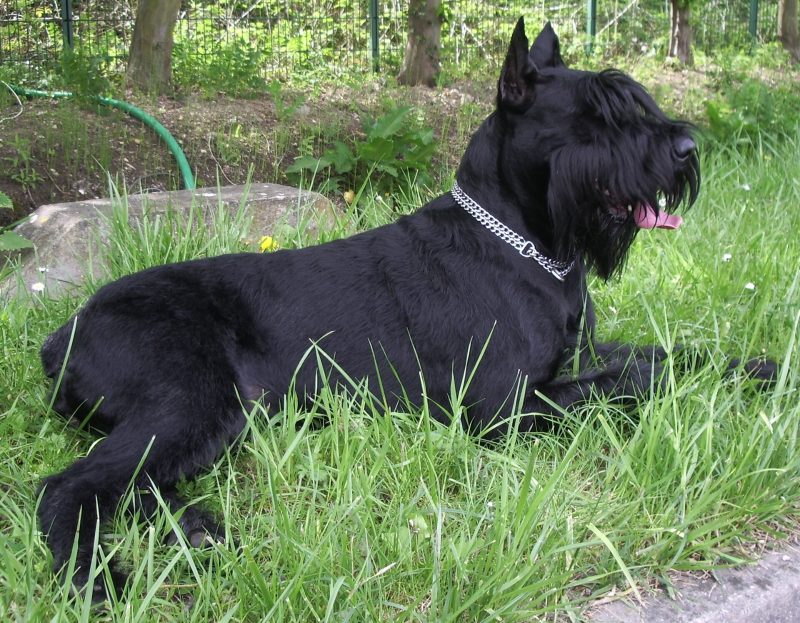
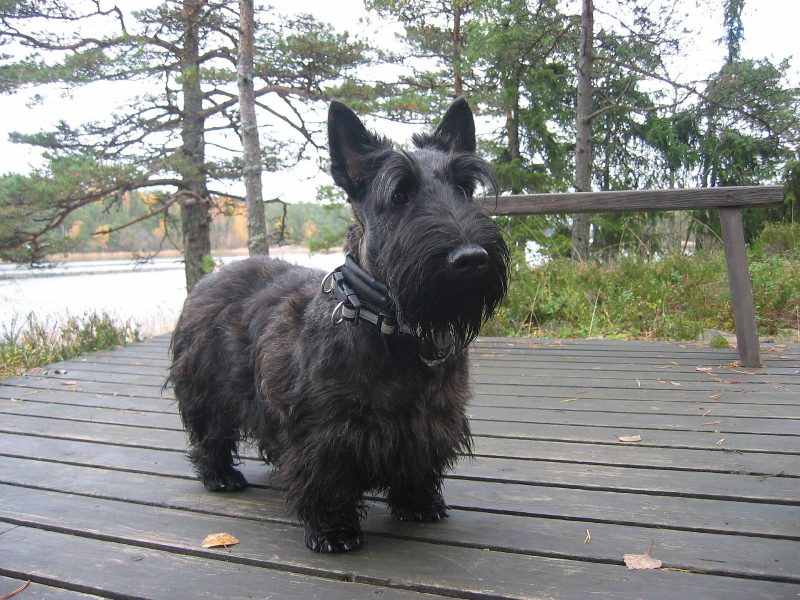
Popular Miniature Schnauzer crosses
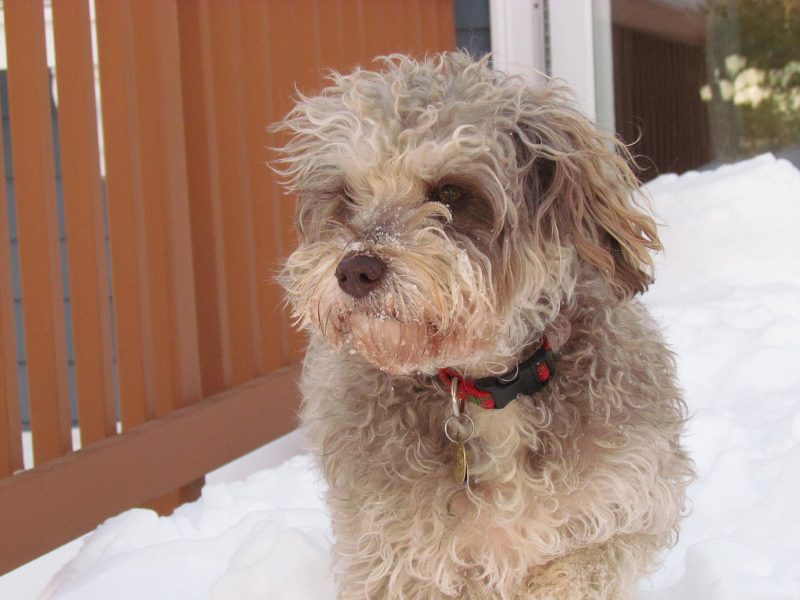
What Miniature Schnauzer owners say
Real pets, photos, stories and tips from the SitterNation community — separate from the editorial guide above.
Log in to add your pet, photos, stories and tips.
Meet Miniature Schnauzers on SitterNation
No Miniature Schnauzers have joined yet. Owners can show their pet here from the pet's profile.
Miniature Schnauzer community photos
No Miniature Schnauzers photos yet — be the first to share one.
Stories from Miniature Schnauzer owners
No stories yet. What is life with yours really like?
Tips from Miniature Schnauzer owners
No tips yet. One practical thing that works for you is enough.
Ask Miniature Schnauzer owners
No questions yet. Ask the people who live with the breed.