Typical tendencies
Energy level
Always on; boredom turns into mischief.
Good with children
Gentle and tolerant around children.
Good with other dogs
Enjoys most canine company.
Trainability
Lives for the lesson; a trainer's dream.
Shedding
A light scatter, easy to keep up with.
Apartment friendly
Can manage in a flat with plenty of outings.
More traits
Exercise needs
Adaptability
Grooming needs
Drooling
Intelligence
Family friendly
Good with cats
Friendly with strangers
Sociability
Protectiveness
Prey drive
Overview
The Vizsla is a sleek, golden-rust Hungarian pointer that combines a serious athlete's body with an almost comically affectionate heart. It suits runners, hikers, hunters and active families who want a dog beside them all day and on top of them all evening; the breed's nickname, the velcro Vizsla, is well earned. It is gentle, sensitive and quick to learn, with a short coat that needs almost no grooming. The demands are time and company. A Vizsla needs an hour or two of hard exercise daily, hates being left alone, and does poorly with harsh handling or a cold, isolated kennel life. It is also thin-coated and feels the cold. For someone who works from home, runs every morning and wants a dog that will follow them from room to room, few breeds are as rewarding. For a household that is out all day, it is a recipe for anxiety and a chewed sofa.
History & Origin
The Vizsla's ancestors came into the Carpathian Basin with the Magyar tribes more than a thousand years ago, and dogs of its type appear in Hungarian documents and illustrations from the fourteenth century. Hungarian nobles valued a fast, elegant dog that could point and retrieve on the plains, and by the 1700s the Vizsla was an established hunting companion. The breed nearly vanished in the late 1800s as imported pointers and setters came into fashion, and it was rebuilt from a small number of good dogs; organized modern breeding began around 1920 and the FCI recognized the breed in 1936. Two world wars and the Soviet occupation scattered Vizslas with the refugees who smuggled them out of Hungary. The first to reach the United States arrived in Kansas City in 1950, the Vizsla Club of America was formed in 1953, and the American Kennel Club recognized the breed in 1960.
Appearance
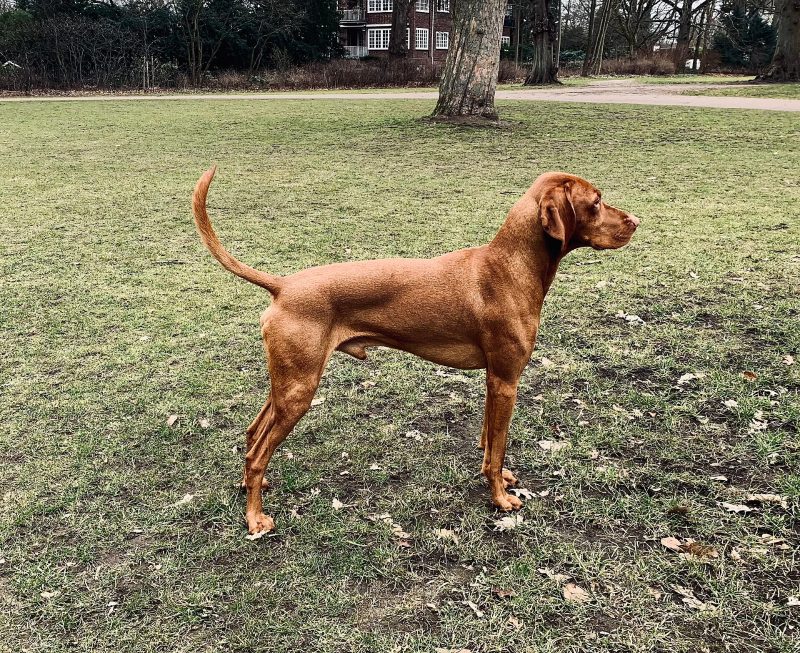
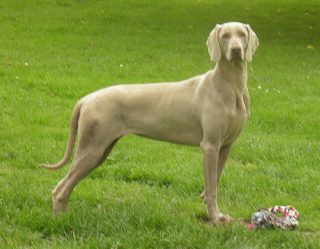
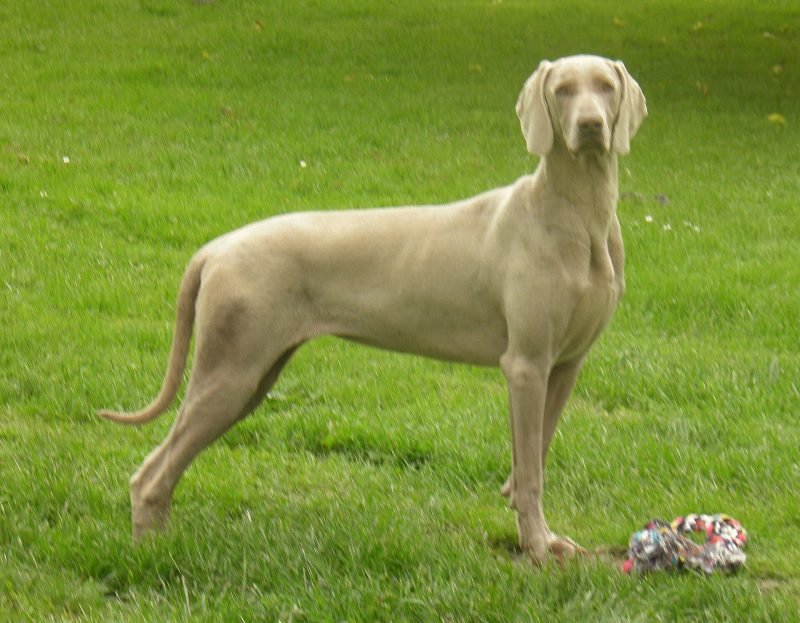
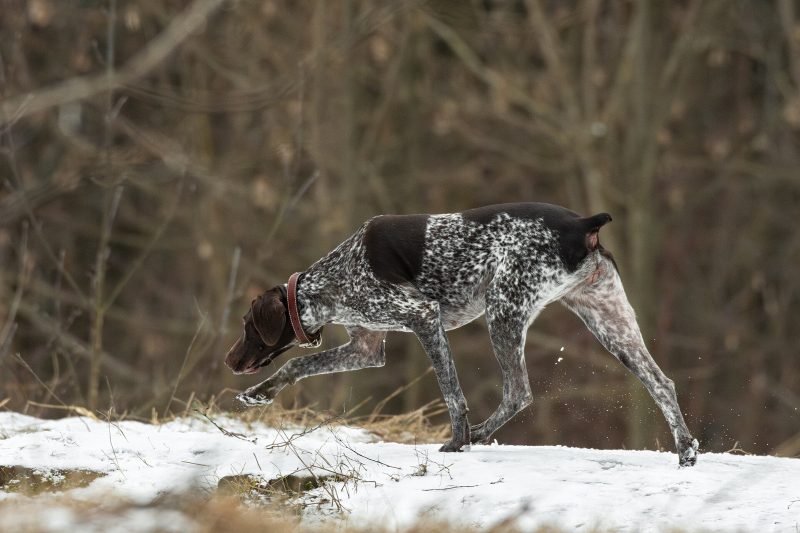
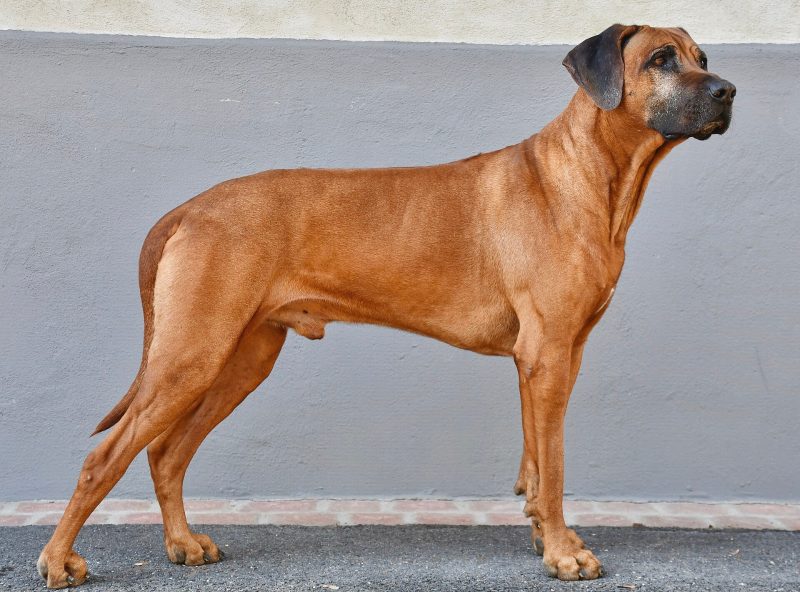
A Vizsla is a medium-sized, lightly built pointer with a lean, muscular frame, standing 21 to 24 inches and weighing 44 to 60 pounds, built for speed and endurance rather than power. The head is lean and noble, with a slightly domed skull, a square muzzle, and soft, intelligent eyes. The thin, silky ears hang close to the cheeks and end in a rounded point. The tail is traditionally docked by a third in countries that permit it. The coat is short, smooth and dense with no undercoat, lying close to the body, in shades of golden rust from sandy gold to deep russet. The breed is self-colored: the nose, eyes, eye rims, lips and nails all harmonize with the coat, a feature that distinguishes it from look-alikes. A Weimaraner is larger and silver-gray; a Rhodesian Ridgeback is heavier with a ridge; a Redbone Coonhound is darker red with a black nose. The Wirehaired Vizsla is a separate breed with a rough coat and a beard.
Temperament & Personality
Vizslas are affectionate to the point of clinginess. They want physical contact, will lean against your legs, climb into your lap and sleep under the covers if allowed, and they follow their people everywhere. They are gentle and playful with children, usually friendly with other dogs, and polite with strangers after an initial greeting. Indoors a well-exercised Vizsla is calm and quiet; an under-exercised one is a whirlwind. They are exceptionally sensitive. Rough treatment, shouting or isolation make them anxious, and the breed is prone to separation distress and to a soft, mournful whine when worried or excited. Their prey drive is high: birds, squirrels and rabbits are irresistible, and cats are a risk unless the dog is raised with them from puppyhood. Many Vizslas are alert watchdogs that announce visitors but have no guarding aggression. They are vocal dogs that talk, moan and sigh their way through the day.
Exercise & Activity
Plan on one to two hours of vigorous exercise every day for an adult Vizsla, and more for a young one. This breed was built to run all day across open country, and a leash walk around the block barely registers. Running, cycling once the dog is mature at about 18 months, swimming, hiking, fetch and field work are ideal, and Vizslas excel in agility, dock diving, scent work and hunt tests. Mental work matters too; training games and nose work settle a Vizsla better than mileage alone. The single coat gives little protection, so the breed needs a jacket in cold weather and should not be left outside in winter, while in heat it needs shade and water like any dog. An under-exercised Vizsla is unmistakable.
Frantic zoomies, whining and pacing in the evening
Chewing furniture, shoes and door frames
Counter surfing and shredding anything left out
Training
Vizslas are smart, willing and eager to please, and they learn quickly with positive methods. Food, toys and above all your attention are powerful rewards. The breed's sensitivity is the most important thing to understand: a sharp correction that a tougher dog would shrug off can shut a Vizsla down for the rest of the session. Keep training cheerful, short and consistent. The common sticking points are excitability and distraction in adolescence, mouthiness in puppies, and recall when a bird flushes, so build reliability gradually and practice recall with high-value rewards in safe areas before trusting it in the open. Teach calm greetings early, since Vizslas jump up with enthusiasm. The most valuable lesson for this breed is being alone: practice short absences from puppyhood, build up slowly, and pair them with chews or food puzzles. Socialize widely so that natural sensitivity does not turn into fearfulness.
Grooming & Care
The Vizsla is about as easy as grooming gets. The short coat has no undercoat and sheds lightly year-round; a weekly once-over with a rubber curry brush or grooming mitt removes loose hair and distributes skin oils, and the coat stays clean and nearly odorless. Bathe only occasionally, when the dog is genuinely dirty, using a mild shampoo so as not to dry the skin. Check the thin ears weekly and after swimming, since moisture can lead to infections, and wipe them dry. Nails grow fast on dogs that run on soft ground and should be trimmed every two to three weeks; the self-colored nails make the quick hard to see, so take small amounts. Brush teeth regularly. In cold weather the lack of undercoat means a coat or sweater is a practical necessity rather than a fashion choice.
Brushing: once a week
Professional grooming: not needed
Shedding: light
Health
Vizslas typically live 12 to 14 years and are regarded as a reasonably healthy breed, though several conditions are recognized. The Vizsla Club of America asks breeders to obtain a CHIC number based on a hip evaluation at 24 months or older, thyroid testing every other year for autoimmune thyroiditis, and an annual eye examination by a veterinary ophthalmologist, with elbow and cardiac evaluations and DNA tests for the long-haired gene and a form of dwarfism recommended as well. Idiopathic epilepsy occurs in the breed. Immune-mediated diseases are a particular concern, including Vizsla inflammatory polymyopathy, which causes difficulty swallowing and muscle wasting, sebaceous adenitis of the skin, and steroid-responsive meningitis. Allergies are common. Cancers, including lymphoma and mast cell tumors, are reported in older dogs. Ear infections and torn pads and tails are everyday working-dog injuries. If your Vizsla has trouble swallowing, loses muscle over the head, develops patchy hair loss, or gains weight unexpectedly, ask your vet.
Nutrition
A Vizsla is a lean endurance athlete, and it should look like one: ribs easily felt, a visible waist and tuck-up. Feed a complete diet in two measured meals a day, adjusting to workload; a dog hunting or running daily may need far more than a dog on a quieter schedule, and portions should change with the season. Puppies should eat a diet formulated for medium to large breed growth until about a year old without supplements that accelerate growth. Because the breed is deep-chested, take sensible precautions against bloat: avoid exercise for an hour before and after meals, feed two or more smaller meals rather than one large one, and discourage gulping with a slow-feed bowl. Many Vizslas have food sensitivities that show up as itchy skin or ear trouble; a vet-supervised elimination diet is the reliable way to investigate. Dogs on thyroid medication may need portion adjustments. Treats are useful for this food-loving breed but should be counted in the total.
Living With This Breed
The ideal Vizsla home has a fenced yard, active people who are around much of the day, and a warm spot on the sofa with the dog's name on it. Apartments can work only with a serious daily running routine. The breed needs warmth in winter and should never live outdoors. It is excellent with children, usually good with other dogs, and a risk to cats and small pets unless raised with them. Time alone is the main difficulty; a few hours is manageable for a trained adult, but a full working day without company often leads to anxiety and destruction. Fences should be high and secure, as Vizslas jump well and follow their noses.
For sitters: this dog will want to sit on you; that is normal
Plan a run or long fetch session, not just a walk
Keep it leashed where birds or rabbits may flush
Provide a blanket or coat in cold weather
Interesting Facts
The word vizsla in Hungarian means pointer or searcher, and the breed is often simply called the Hungarian Pointer.
The breed is self-colored: nose, eye rims, lips, pads and nails all match the golden-rust coat.
The first AKC triple champion of any breed, titled in conformation, field trials and obedience, was a Vizsla, in 1980.
Vizslas appear in Hungarian documents and art from the fourteenth century, making them one of the oldest sporting breeds.
The first American Vizslas were smuggled out of communist Hungary and flown to Kansas City in 1950.
The Wirehaired Vizsla, created in Hungary in the 1930s by crossing Vizslas with German Wirehaired Pointers, is recognized as a separate breed.
Breeds similar to the Vizsla
What Vizsla owners say
Real pets, photos, stories and tips from the SitterNation community — separate from the editorial guide above.
Log in to add your pet, photos, stories and tips.
Meet Vizslas on SitterNation
No Vizslas have joined yet. Owners can show their pet here from the pet's profile.
Vizsla community photos
No Vizslas photos yet — be the first to share one.
Stories from Vizsla owners
No stories yet. What is life with yours really like?
Tips from Vizsla owners
No tips yet. One practical thing that works for you is enough.
Ask Vizsla owners
No questions yet. Ask the people who live with the breed.