Typical tendencies
Energy level
Ready to go when you are, settles after.
Good with children
Patient with kids when well supervised.
Good with other dogs
Gets along with known, polite dogs.
Trainability
Learns, but on its own schedule.
Shedding
Noticeable, with heavier seasonal blows.
Apartment friendly
A natural fit for city living.
More traits
Exercise needs
Adaptability
Grooming needs
Drooling
Intelligence
Family friendly
Good with cats
Friendly with strangers
Sociability
Protectiveness
Prey drive
Overview
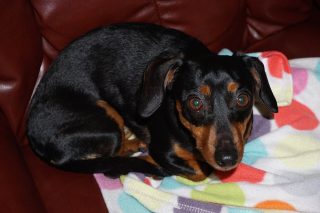
The Dachshund is a small hound with an outsized sense of self. Bred in Germany to follow badgers underground, it kept the courage and independence that job demanded, and it brings both to a modern living room. Two sizes and three coat types mean there is a Dachshund for almost every household, from a sleek 11-pound miniature to a 30-pound standard with a wiry beard.
This breed suits people who want a funny, affectionate companion that is happy in an apartment yet still enjoys a proper daily walk and a good sniff around the park. It is less suited to owners who expect instant obedience or who cannot keep a dog from leaping on and off furniture, because the long back needs protecting. Expect devotion to one or two favorite people, a surprisingly loud bark, and a stubborn streak that is part of the charm.
History & Origin
Dachshund means badger dog in German, and that name is the whole job description. Foresters in the German states wanted a low, long, fearless dog that could track a badger to its sett, dig in after it and hold its own underground until the hunters arrived. Dogs of this type were working by the 1600s, and written records of the breed appear in the 1700s. The smooth coat came first; wirehaired and longhaired varieties followed during the 1800s, with terrier and spaniel crosses respectively. Miniatures were later developed for rabbit work.
Queen Victoria and Prince Albert kept Dachshunds, which made the breed fashionable in Britain. The first Dachshunds reached the United States around 1870, and the American Kennel Club registered the breed in 1885. During the First World War anti-German feeling ran so high that the AKC briefly listed the breed as the Badger Dog, from 1919 until 1923. The breed has ranked near the top of American registrations for decades.
Appearance
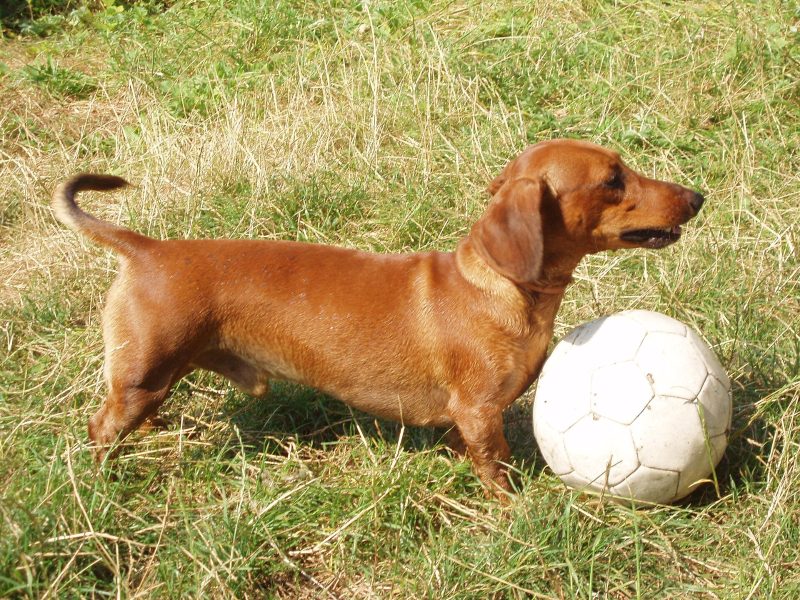
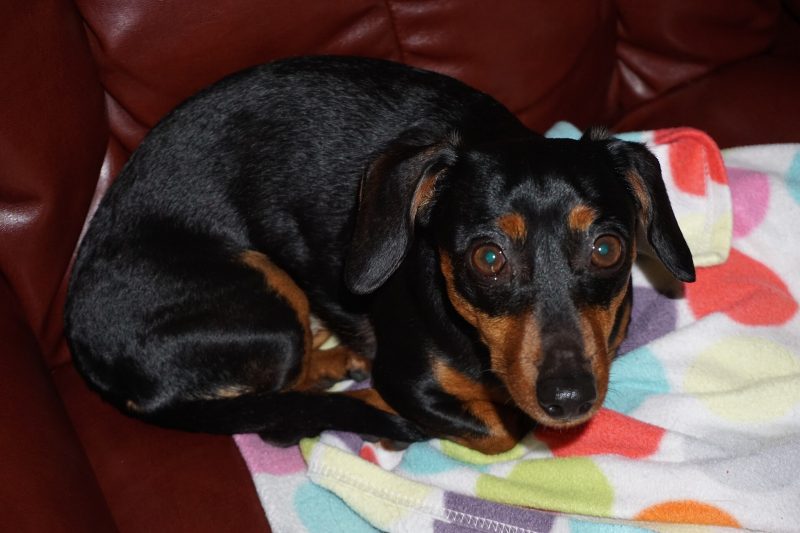
Everything about the Dachshund is built for tunnels: a long, muscular body carried close to the ground on short, slightly turned-out front legs, a deep chest that houses plenty of lung, and a long head with a confident expression and drop ears. The tail continues the line of the back. In the United States standards weigh 16 to 32 pounds and miniatures 11 pounds and under; most dogs stand 5 to 9 inches at the shoulder.
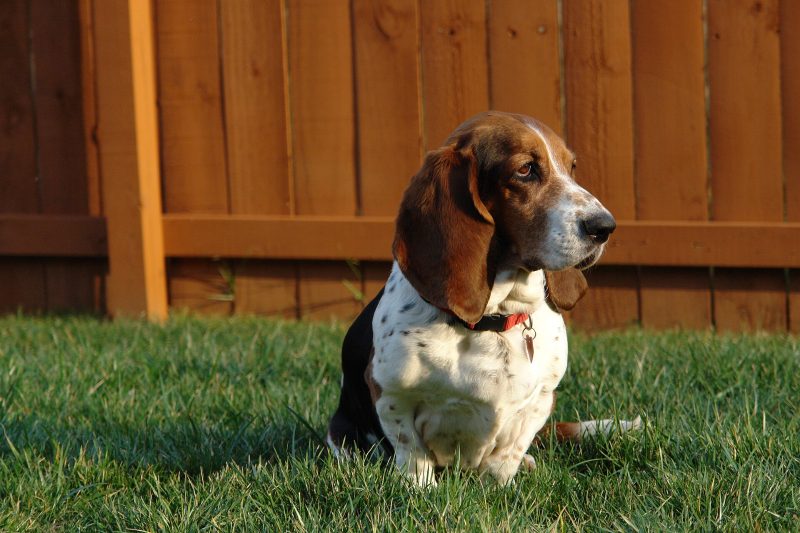
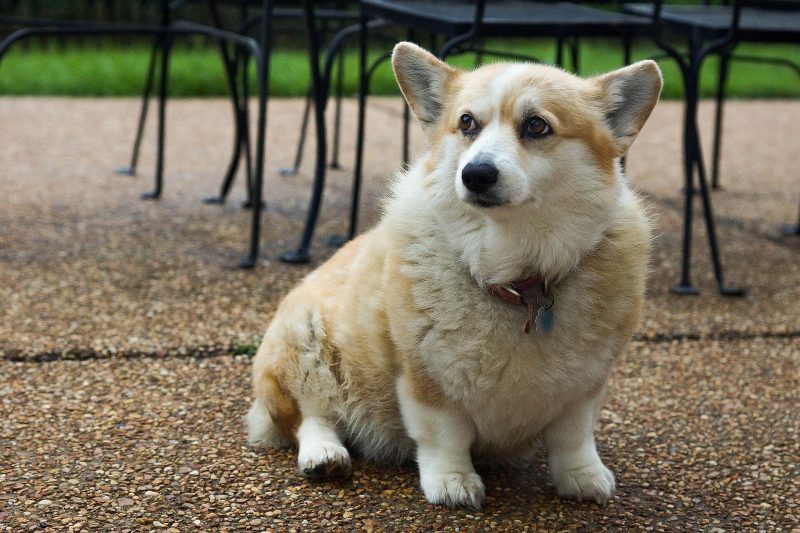
The three coats look like three different breeds. Smooths are glossy and short, wires have a harsh outer coat with beard and eyebrows, and longs carry soft, flowing feathering on ears, chest and tail. Colors range from red and cream to black and tan, chocolate and tan, wild boar, dapple and brindle. Compared with a Basset Hound the Dachshund is lighter, finer in the head and far less wrinkled; compared with a Corgi it is longer, lower and lacks the upright ears.
Temperament & Personality
Dachshunds are bold, curious and convinced they are much larger than they are. Indoors they alternate between burrowing under blankets and patrolling windows, and they announce visitors with a deep bark that surprises people meeting the breed for the first time. They bond tightly to their family and often pick one favorite person to shadow. With strangers they tend to be reserved at first and may stay suspicious without early socialization.
The hunting past shows up as a strong prey drive: squirrels, rodents and small pets that run are fair game, and digging in the yard is normal. Most Dachshunds live happily with other dogs and with cats they were raised alongside. They enjoy children who treat them respectfully, but they are not built for rough handling, and miniatures in particular can be hurt by being dropped. Expect a sense of humor, plenty of opinions and a dog that wants to be included in everything.
Exercise & Activity
A Dachshund needs real exercise, not just a trip to the yard: 30 to 60 minutes a day, split into two walks, keeps weight down and the back muscles strong. Sniffing walks are ideal because they engage the nose this hound was bred to use. Short play sessions with a tug or ball indoors, nose-work games and hide-and-seek with treats give the mind something to do.
Avoid repeated jumping, stairs and leaping off furniture; use ramps or steps and lift the dog with one hand under the chest and one under the rear. Smooth coats feel the cold quickly and need a coat in winter, while all varieties should take it easy in summer heat. A bored Dachshund barks, digs and chews.
Two leash walks a day plus a sniff session
Ramps for sofas and beds
Nose games and food puzzles for rainy days
Training
Dachshunds are clever and learn quickly, but they were bred to make their own decisions underground, so they ask why before they comply. Food is the best motivator, followed by play; harsh corrections make them shut down or dig in. Keep sessions short and upbeat, and end on a success.
Housetraining is the breed's classic sticking point. Small bladders, a dislike of wet grass and a tendency to sneak off behind furniture mean you need a strict schedule, crate training and generous rewards for going outside; many owners also teach an indoor option for bad weather. Recall is unreliable once the nose locks onto a scent, so keep walks on leash or in a fenced area. Teach a quiet cue early, because barking is self-rewarding. Socialize puppies broadly with people, calm dogs and new surfaces, and practice gentle handling of feet, ears and teeth so grooming and vet visits stay easy.
Grooming & Care
Grooming depends entirely on the coat. Smooths need only a weekly rub with a hound glove or soft brush and an occasional bath; they shed moderately and leave short hairs on furniture. Longhaired Dachshunds need brushing two or three times a week with attention to the feathering behind the ears, under the legs and on the tail, where mats form. Wirehaired coats are brushed weekly and hand-stripped or clipped two or three times a year to keep the harsh texture; the beard collects food and water and benefits from a wipe after meals.
All varieties need nails trimmed every few weeks, since long nails change how the dog stands and loads the back. Check the drop ears weekly for wax and odor, and brush teeth several times a week because small dogs accumulate tartar quickly.
Smooth: weekly glove, bath as needed
Long: brush 2 to 3 times a week
Wire: weekly brush plus seasonal stripping
Health
The Dachshund's defining health concern is intervertebral disc disease, or IVDD. The short-legged body shape comes with discs that harden early, and roughly one in four Dachshunds has a disc episode serious enough to need veterinary care, most often between three and seven years of age. Signs range from a reluctance to jump or a hunched back to sudden hind-leg weakness, which is an emergency. A DNA test for the CDDY gene variant exists, but nearly all Dachshunds carry it, so it does not help choose breeding dogs; instead, responsible breeders in several countries X-ray breeding dogs at two to four years to count calcified discs.
Other conditions seen in the breed include patellar luxation, progressive retinal atrophy, degenerative mitral valve disease in older dogs, dental disease, seizures and Cushing's disease. The parent club recommends patella, cardiac and eye evaluations for breeding stock. With a typical lifespan of 12 to 16 years, keeping your Dachshund lean is the single most useful thing you can do; ask your vet about back-friendly habits and about any change in gait.
Nutrition
Feeding a Dachshund is mostly about portion control. The breed gains weight easily, and every extra pound increases the load on the spine, so measure meals rather than free-feeding and count treats as part of the daily total. Puppies do well on a small-breed growth food fed three or four times a day until about six months, then twice daily. Adults need a complete food matched to their activity level; a miniature may need surprisingly little.
Seniors often benefit from a lower-calorie diet with joint support, but ask your vet before switching. Because the chest is deep, some owners choose to feed two smaller meals and avoid heavy exercise right after eating. Fresh water should always be available. If your Dachshund is a food thief, which many are, keep counters clear and the trash closed; the breed is good at reaching things that seem out of range.
Living With This Breed
Dachshunds adapt well to apartments and houses alike, as long as they get their walks and someone handles the barking. They are indoor dogs that want to be on the sofa with you, ideally under a blanket; the smooth coat in particular does not tolerate cold floors or outdoor living. Most cope with a few hours alone if they are exercised first and have a chew, but they are social and can become vocal if left all day.
They suit families with considerate older children, and do well with other dogs when introduced properly. Secure fencing matters because they dig and follow scents. A sitter should know how to lift the dog correctly, keep it off high furniture, use a harness rather than a collar for walks and watch for any sign of back pain. Daycare works best in small-dog groups.
Ramps and no jumping from heights
Harness for walks, leash at all times outdoors
Bark management and a cozy bed in a warm spot
Interesting Facts
The Dachshund was the first official Olympic mascot: Waldi, a striped dachshund, represented the 1972 Munich Games.
Dachshund racing began as a joke in the 1970s and now draws crowds, although the parent club discourages it to protect the dogs' backs.
The term hot dog is widely believed to come from the dachshund sausages sold by German immigrants in the United States.
Picasso, Andy Warhol and David Hockney all kept Dachshunds, and Hockney painted his two dogs dozens of times.
In Germany the breed is called the Dackel or Teckel and is divided into three sizes by chest measurement rather than by weight.
Despite the lap-dog reputation, Dachshunds still compete in earthdog trials that test their willingness to work a scent through a tunnel.
Breeds similar to the Dachshund
Popular Dachshund crosses
What Dachshund owners say
Real pets, photos, stories and tips from the SitterNation community — separate from the editorial guide above.
Log in to add your pet, photos, stories and tips.
Meet Dachshunds on SitterNation
No Dachshunds have joined yet. Owners can show their pet here from the pet's profile.
Dachshund community photos
No Dachshunds photos yet — be the first to share one.
Stories from Dachshund owners
No stories yet. What is life with yours really like?
Tips from Dachshund owners
No tips yet. One practical thing that works for you is enough.
Ask Dachshund owners
No questions yet. Ask the people who live with the breed.