Typical tendencies
Energy level
Needs a real outlet most days.
Good with children
A famously patient playmate for kids.
Good with other dogs
Loves every dog at the park.
Trainability
Lives for the lesson; a trainer's dream.
Shedding
Keep the lint roller within reach.
Apartment friendly
Can manage in a flat with plenty of outings.
More traits
Exercise needs
Adaptability
Grooming needs
Drooling
Intelligence
Family friendly
Good with cats
Friendly with strangers
Sociability
Protectiveness
Prey drive
Overview
The Golden Retriever is the family dog of a thousand commercials, and the reputation is earned. Goldens are gentle, eager to please, patient with children and sociable with almost everyone, which makes them a natural fit for busy households, first-time owners who can commit to exercise, and anyone who wants a dog to take everywhere. They suit active homes with time for an hour or so of daily exercise, regular brushing and a lot of togetherness; a Golden shut out of family life is a sad dog. They are a poor fit for people who want a tidy house, a guard dog or a low-maintenance pet, and prospective owners should know the breed's cancer rates are high. Choose a breeder who screens hips, elbows, eyes and heart, keep the dog lean and busy, and you get a companion whose whole purpose is to be with you.
History & Origin
The Golden Retriever was created on a Scottish Highland estate in the 1860s. Dudley Marjoribanks, a banker and politician later titled Lord Tweedmouth, wanted a retriever suited to the rough terrain and cold water of his Guisachan estate near Inverness. In 1865 he bought Nous, a yellow puppy from a litter of black wavy-coated retrievers, and in 1868 bred him to Belle, a Tweed Water Spaniel, a now-extinct liver-colored breed of the Border country. Their puppies, Cowslip, Crocus and Primrose, were the first Goldens; later crosses added more Tweed Water Spaniel, Irish Setter, Bloodhound and black retriever blood. Marjoribanks kept careful breeding records until 1890, and they survive at the Kennel Club. The Kennel Club registered the dogs separately from Flat-Coated Retrievers in 1913 as Retrievers (Golden or Yellow) and dropped the 'Yellow' in 1920. The American Kennel Club recognized the breed in 1925 and the Golden Retriever Club of America formed in 1938.
Appearance
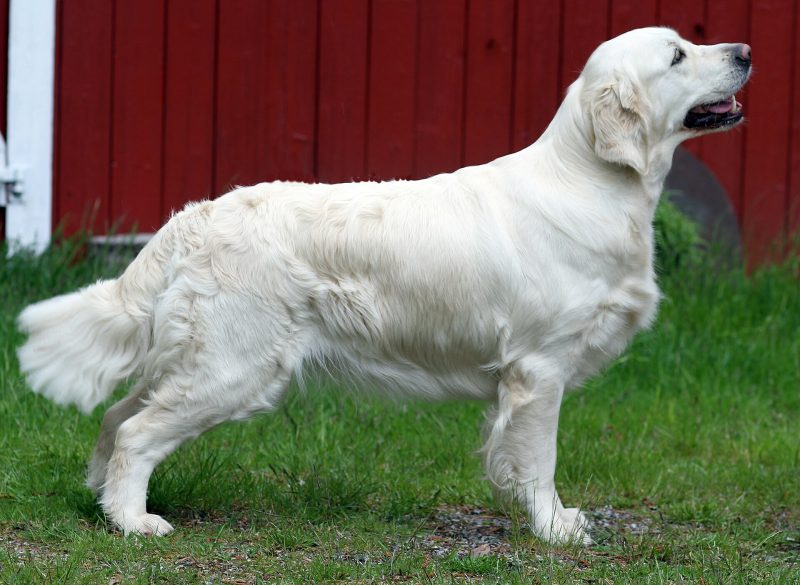
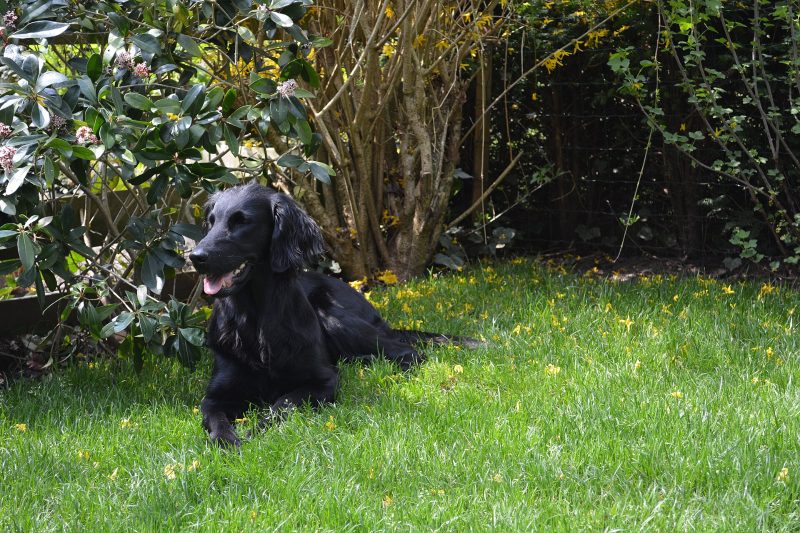
A Golden is a medium-large, balanced gundog with a broad, friendly head, dark eyes and a feathered tail carried level with the back. Males stand 23 to 24 inches and weigh 65 to 75 pounds; females are 21.5 to 22.5 inches and 55 to 65 pounds. The coat is the signature: a dense, water-repellent outer coat that lies flat or in gentle waves over a thick undercoat, with longer feathering on the neck, backs of the legs, underside and tail. Colors range from pale cream through rich gold to deep red-gold; the AKC standard calls for light to dark golden, while British and European lines often run paler. Puppies darken as they mature, and the ear color hints at the adult shade. Compared with a Labrador, a Golden has a longer coat and feathering; compared with a Flat-Coated Retriever, the head is broader and the coat is gold rather than black or liver.
Temperament & Personality
Goldens are built around a desire to be with people and to please them. They are typically friendly with strangers to the point of uselessness as guard dogs, gentle with children, tolerant of other dogs and accepting of cats they grow up with. They are sensitive; a harsh word deflates a Golden, and they read moods closely, which is part of why they dominate therapy and assistance work. Energy is moderate to high outdoors, especially in field-bred lines, and calm indoors once the dog is mature and exercised. Puppies and adolescents are mouthy, bouncy and slow to settle, often until age two or three. Goldens carry things as a greeting ritual and will bring you a shoe or a sock simply to have something in their mouths. They rarely bark much, but they can be clingy and dislike being left out of family activities.
Exercise & Activity
An adult Golden needs roughly an hour of exercise a day, ideally with some of it off-leash in a safe area, plus retrieving or swimming, which the breed lives for. Brisk walks, hikes, fetch sessions, swimming, jogging once the skeleton is mature at about 18 months, and dog sports such as agility, dock diving, obedience and nose work all suit them. Puppies need frequent short outings rather than long forced walks to protect their joints. Goldens also need mental work; training games, food puzzles and new places keep them engaged. The thick coat means heat is a hazard, so exercise in the cool of the day in summer and provide shade and water. They handle cold and wet weather cheerfully. Signs that a Golden is under-exercised include chewing, digging, counter-surfing and a dog that cannot settle in the evening.
Daily: a long walk plus 15–20 minutes of retrieving or swimming
Weekly: a longer outing or a training class
Training
Goldens are among the most trainable dogs alive, which is why they excel as guide dogs, hearing dogs, search-and-rescue dogs and in competitive obedience. They learn fast, love praise and food, and want to get it right. The flip side is sensitivity: raised voices and leash corrections make them anxious, so reward-based methods work best. Start early with the basics that matter for a big, friendly dog, namely polite greetings without jumping, loose-leash walking and a solid recall around distractions such as water and other dogs. Mouthing is normal in puppies; give plenty of legal things to carry and teach a cheerful 'drop'. Socialization should be broad but is usually easy, since most Goldens are confident by nature. The breed's retrieving instinct makes fetch a powerful reward in training. Adolescents between eight and eighteen months test boundaries and have a short attention span; patience and brief sessions get you through.
Grooming & Care
The Golden's coat needs regular work. Brush two or three times a week with a slicker brush and a metal comb, paying attention to the feathering behind the ears, under the legs and on the tail where mats form; daily brushing helps during the heavy spring and fall sheds. Bathe every four to eight weeks, drying the coat thoroughly to prevent hot spots in the dense undercoat. Many owners have a groomer tidy the feet, ears and tail every couple of months, but the coat should never be shaved; it insulates against heat as well as cold and grows back poorly. Drop ears and a love of water make ear infections common, so check and dry the ears after swimming and clean when needed. Trim nails every three to four weeks, brush teeth several times a week and check the skin regularly, since allergies and hot spots are frequent.
Brush: 2–3 times weekly, daily when shedding
Bath: every 4–8 weeks
Ears: dry after every swim
Health
Goldens live about 10 to 12 years, and cancer is the breed's leading cause of death; hemangiosarcoma, lymphoma, mast cell tumors and osteosarcoma are all over-represented, which is why a long-running lifetime study of thousands of Goldens is tracking the causes. Orthopedic problems include hip and elbow dysplasia and cranial cruciate ligament tears. Subvalvular aortic stenosis (SAS) is a heart defect that can be suspected from a murmur and confirmed with ultrasound. Eye conditions include pigmentary uveitis, progressive retinal atrophy and cataracts. Hypothyroidism, allergic skin disease, hot spots and ear infections are common in middle age, and ichthyosis causes flaky skin in some lines. Responsible breeders obtain OFA or PennHIP hip evaluations, OFA elbow radiographs, an annual eye exam by a veterinary ophthalmologist and a cardiac exam by a veterinary cardiologist, plus DNA tests for ichthyosis and PRA. Ask your vet about any new lump, persistent lameness, pale gums, sudden weakness or a swollen belly.
Nutrition
Goldens gain weight easily, and extra pounds stress joints that are already at risk. Feed measured meals twice a day, keep treats modest and use body condition rather than the bag chart as your guide: ribs easy to feel, a waist visible from above. Puppies should eat a large-breed growth formula with controlled calcium and calories until about 12 to 18 months to slow growth and protect developing joints; ask your vet when to switch. Adults do well on a complete maintenance diet, with portions adjusted for activity and after neutering, when needs often drop. Many Goldens eat fast, so a slow-feeder bowl or a food-dispensing toy is useful. Omega-3 fatty acids are often discussed for skin and joint support; talk to your vet before adding any supplement. Food sensitivities can show up as itchy skin or ear trouble. Keep fresh water available and avoid heavy exercise right after a large meal.
Living With This Breed
Goldens thrive in homes where they are part of the action. A house with a yard is easiest, but an apartment works for a committed owner who walks and exercises the dog daily. They tolerate a workday if exercised and given company afterward, but they are not dogs for long solitary days; boredom turns into chewing and sad eyes. Most are wonderful with children of all ages, though adolescents knock over toddlers in play. They shed heavily, track in water and mud, and want to greet every visitor with a toy in their mouth. Heat needs managing; cold is fine. For sitters and daycare staff: expect friendly, sometimes bouncy greetings, a dog who wants to carry things and swim in anything wet, and a strong food drive on walks.
Towels and a brush are essential kit
Secure trash and counters; Goldens are opportunists
Dry ears after water to prevent infections
Interesting Facts
The first three Goldens, Cowslip, Crocus and Primrose, were born in 1868 at Guisachan in the Scottish Highlands, where a bronze statue of the breed now stands in the village of Tomich.
Lord Tweedmouth's breeding ledger survives at the Kennel Club and settled a long-running myth that the breed descended from Russian circus dogs.
Goldens have lived in the White House, including Liberty, who belonged to President Gerald Ford, and Victory, who belonged to Ronald Reagan.
Buddy, the dog who played Air Bud, was a real Golden Retriever found as a stray who really could shoot basketballs.
A Golden named Finley holds the record for holding the most tennis balls in his mouth at once, with six.
Goldens are so attuned to people's moods that they are among the most common breeds in therapy, guide and assistance work worldwide.
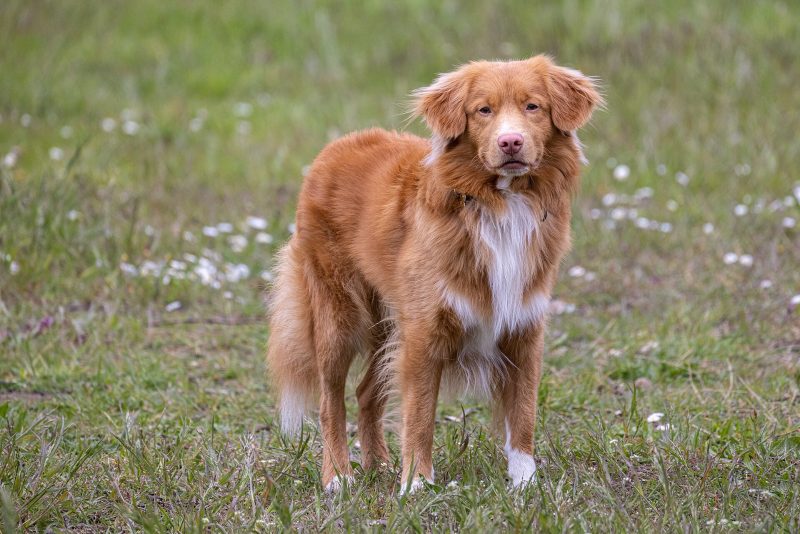
Breeds similar to the Golden Retriever


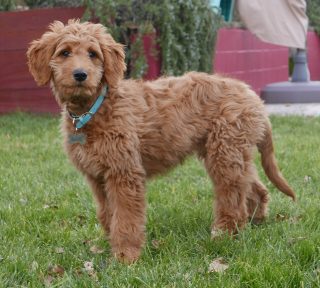
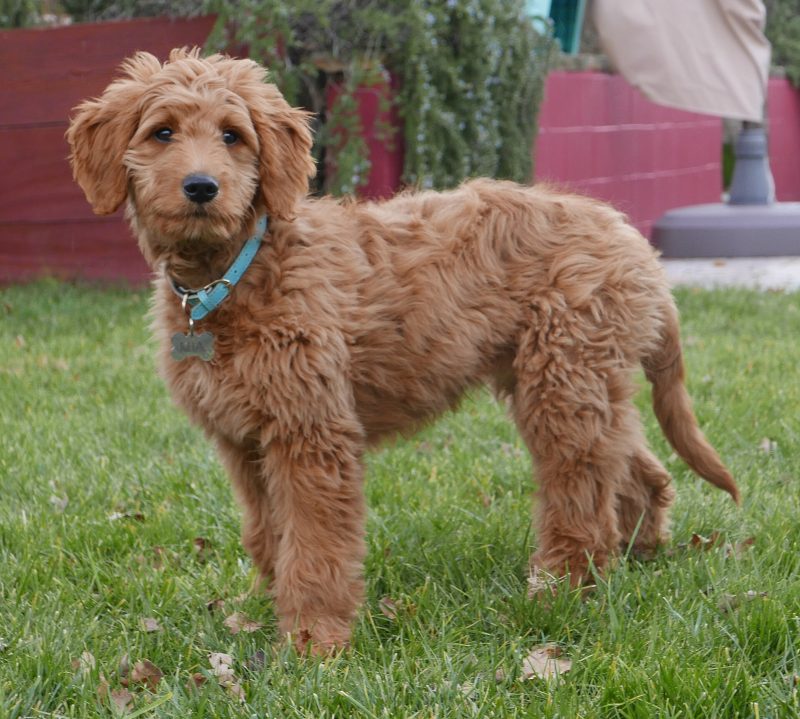
Popular Golden Retriever crosses
What Golden Retriever owners say
Real pets, photos, stories and tips from the SitterNation community — separate from the editorial guide above.
Log in to add your pet, photos, stories and tips.
Meet Golden Retrievers on SitterNation
No Golden Retrievers have joined yet. Owners can show their pet here from the pet's profile.
Golden Retriever community photos
No Golden Retrievers photos yet — be the first to share one.
Stories from Golden Retriever owners
No stories yet. What is life with yours really like?
Tips from Golden Retriever owners
No tips yet. One practical thing that works for you is enough.
Ask Golden Retriever owners
No questions yet. Ask the people who live with the breed.