Typical tendencies
Energy level
Always on; boredom turns into mischief.
Good with children
A famously patient playmate for kids.
Good with other dogs
Loves every dog at the park.
Trainability
Lives for the lesson; a trainer's dream.
Shedding
Keep the lint roller within reach.
Apartment friendly
Can manage in a flat with plenty of outings.
More traits
Exercise needs
Adaptability
Grooming needs
Drooling
Intelligence
Family friendly
Good with cats
Friendly with strangers
Sociability
Protectiveness
Prey drive
Overview
The Labrador Retriever is the dog most people picture when they imagine a family pet: sturdy, friendly, forgiving of children's mistakes, and happy to join anything from a hike to a lazy afternoon on the porch. Labs suit active households that can offer an hour or more of real exercise every day, plenty of company, and a job for that busy brain, even if the job is only fetching the same ball two hundred times. They are less suited to people who are away for long stretches or who want a dog that lounges quietly from puppyhood; a young Lab is a lot of enthusiastic, mouthy, tail-whipping energy. Shedding is heavy and the appetite is legendary, so expect to brush often and measure every meal. Give a Lab exercise, structure and your attention and you get one of the most adaptable, good-natured companions in the dog world.
History & Origin
Despite the name, the Labrador comes from Newfoundland, not Labrador. In the 1700s and early 1800s fishermen there kept a compact, short-coated working dog, the St. John's water dog, that hauled nets, retrieved fish that slipped the hook and swam in icy water without its coat icing up. Ships carrying salt cod to the English port of Poole brought some of these dogs along, and local aristocrats took notice. The Earls of Malmesbury began breeding them for duck shooting at Heron Court in the 1830s and are credited with first calling them Labrador dogs. Later in the century the Dukes of Buccleuch and the Earl of Home kept their own lines in Scotland, and a meeting of the two families in the 1880s combined the strains that founded the modern breed. England's Kennel Club recognized the Labrador in 1903 and the American Kennel Club registered its first in 1917. By the 1990s the Lab topped AKC registrations and held that spot for three decades.
Appearance
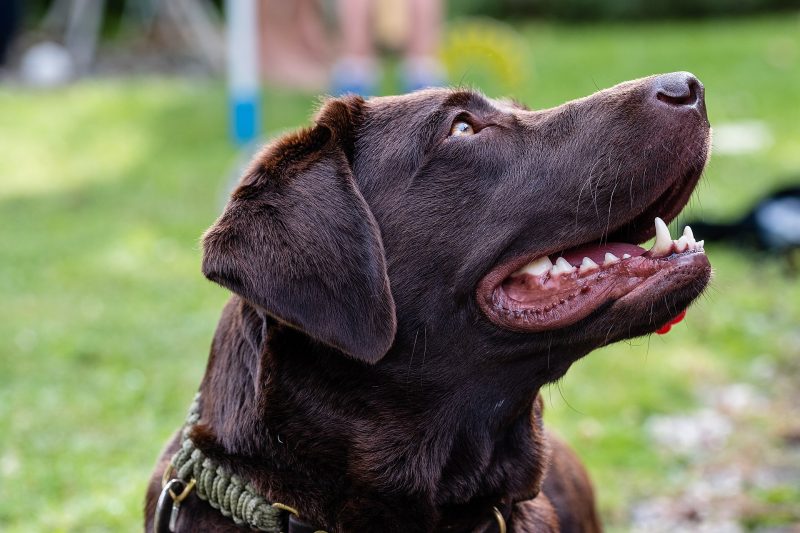
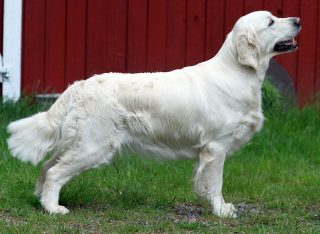
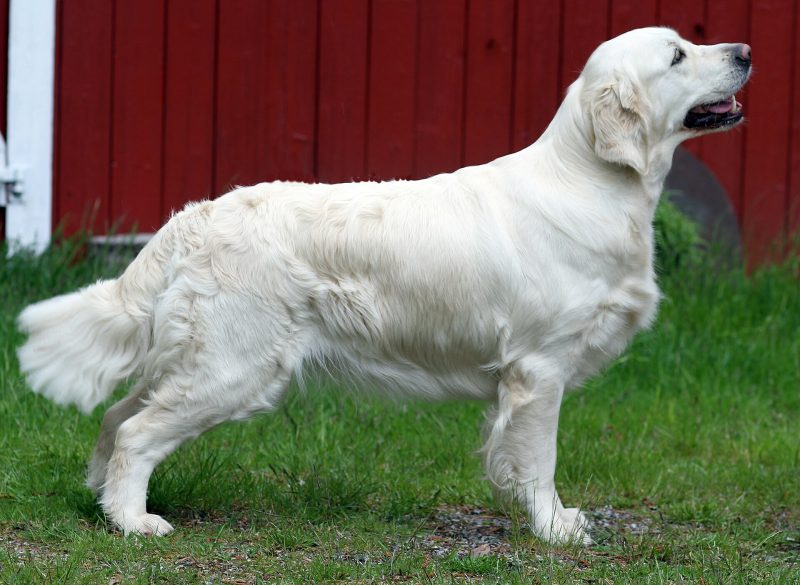
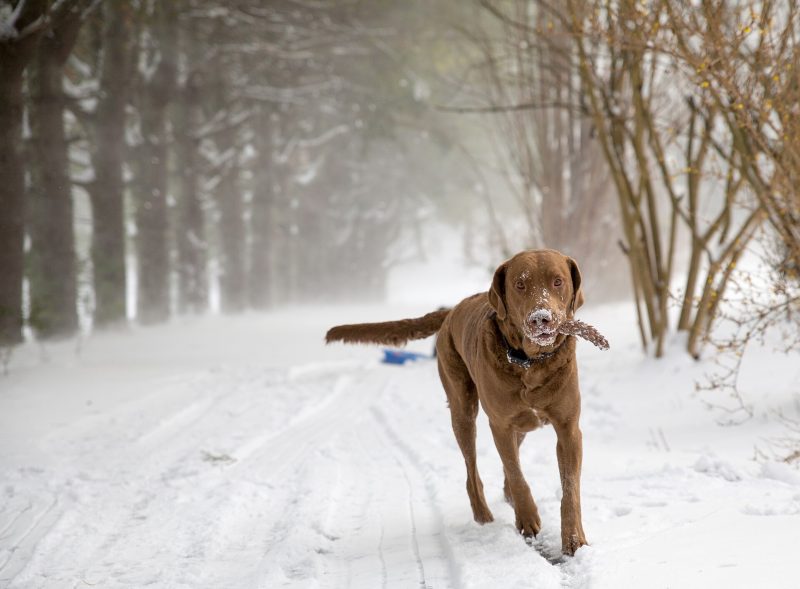
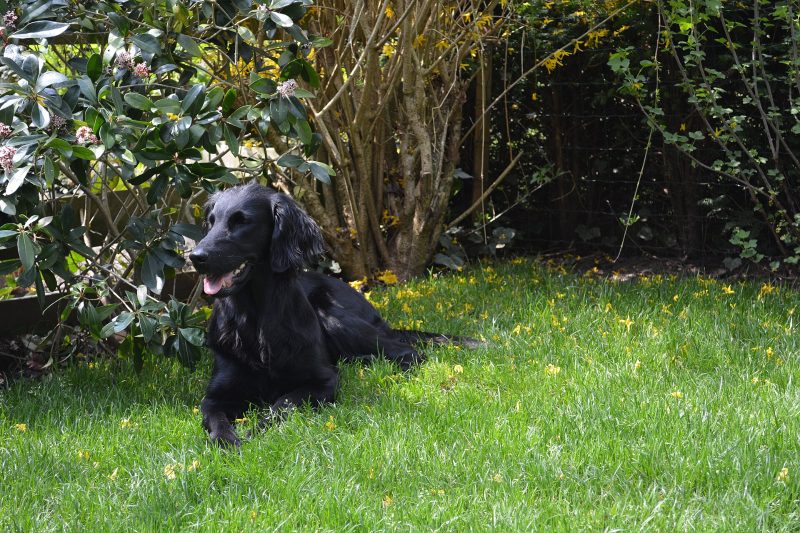
A Labrador is a strongly built, medium-to-large dog with a broad skull, kind eyes and a thick 'otter' tail that is wide at the base, tapers to the tip and is wrapped in short dense hair so it works as a rudder in the water. Males stand 22.5 to 24.5 inches and weigh 65 to 80 pounds; females run 21.5 to 23.5 inches and 55 to 70 pounds. The double coat is short, straight and dense with a soft, weather-resistant undercoat that feels slightly oily to the touch. Three colors are recognized: black, yellow (from pale cream to fox red) and chocolate. A Lab should look athletic rather than heavy; many pets carry far more weight than the standard intends. Compared with a Golden Retriever, the Lab has a short coat and no feathering; compared with a Chesapeake Bay Retriever, the coat is smooth rather than wavy and the colors are solid black, yellow or chocolate rather than sedge or deadgrass.
Temperament & Personality
Labs are famously outgoing. Most greet strangers as friends-in-waiting, which makes them poor guard dogs but excellent companions for busy households, visiting grandparents and neighborhood kids. They bond with the whole family rather than one person and want to be in the room where things are happening. Energy is high outdoors and, in a well-exercised adult, surprisingly calm indoors; an under-exercised Lab, by contrast, counter-surfs, chews and bounces. Mouthiness is part of the retrieving heritage: Labs carry shoes, remotes and your wrist, usually gently. They are typically easygoing with other dogs and, when raised with them, with cats, though their size and exuberance can overwhelm small pets and toddlers. Field-bred lines tend to be leaner and more driven; show-bred lines are often steadier. Most Labs stay puppyish in spirit until two or three years old, and many never fully grow out of it.
Exercise & Activity
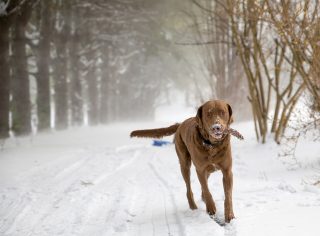
Plan on at least 60 minutes of genuine activity a day for an adult Lab, more for a young dog from a working line. Walks alone rarely cut it; Labs want to run, swim and retrieve. Fetch, dock diving, swimming, jogging once the growth plates have closed (around 18 months), hiking and scent games all suit the breed, and retrieving work doubles as mental exercise. Puzzle feeders and short training sessions tire the brain between outings. Heat is the main limit: a thick double coat and a big appetite for play mean Labs will keep going well past the point of overheating, so schedule hard exercise for cool parts of the day and keep water handy. Cold water and snow bother them very little. A bored Lab tells you with chewing, digging, barking and raiding the kitchen.
Daily: a long walk plus a retrieving or swimming session
Weekly: something new, such as a trail, a different park or a training class
Training
Few breeds are easier to train. Labs are food-motivated, toy-motivated and people-motivated, so you have three reward currencies to work with, and they learn quickly and forgive mistakes. Start young: a 70-pound dog who jumps up or pulls is a safety problem, and both habits form early. Loose-leash walking and a solid stay are the two skills most Lab owners wish they had drilled sooner. Mouthing is normal in puppies; redirect it onto toys rather than punishing it, and teach a 'drop' cue early because Labs love to carry things. Recall usually comes easily unless water or another dog is involved, so practice around distractions. Socialization matters less for shyness than for manners, since the typical Lab is already confident, but it still shapes how politely the dog greets people. Labs excel in obedience, agility, rally, hunt tests, scent work and as guide, therapy and detection dogs.
Grooming & Care
Grooming is simple but never-ending. The short double coat sheds year-round and heavily in spring and fall when the undercoat blows. Brush once or twice a week with a rubber curry or undercoat rake, daily during shedding seasons, and keep a vacuum close. Bathe only when the dog is dirty or smelly, perhaps every couple of months; frequent washing strips the natural oils that keep the coat water-resistant. Ears deserve special attention. The drop ears and a love of swimming trap moisture, so check weekly, dry them after every swim and clean with a vet-recommended ear cleaner when there is wax or odor. Trim nails every three to four weeks and brush teeth several times a week. Check paws for cracked pads after rough terrain and for salt in winter.
Brush: 1–2 times weekly, daily when shedding
Ears: dry after swimming, check weekly
Nails: every 3–4 weeks
Health
Labradors generally live 11 to 13 years. The best-known inherited problems are orthopedic: hip dysplasia, elbow dysplasia and cranial cruciate ligament rupture, all made worse by excess weight. Obesity itself is a breed hazard, partly because many Labs carry a gene variant linked to constant hunger. Exercise-induced collapse (EIC) causes wobbliness and collapse after intense excitement; centronuclear myopathy (CNM) weakens young puppies; progressive retinal atrophy (PRA) leads to blindness in middle age. All three have DNA tests. Tricuspid valve dysplasia is the main heart concern, and older Labs are prone to laryngeal paralysis, fatty lumps and hemangiosarcoma. Ear infections and allergic skin disease are common day-to-day complaints. Responsible breeders screen with OFA or PennHIP hip evaluations, OFA elbow radiographs, an annual eye exam by a veterinary ophthalmologist and DNA tests for EIC, CNM and PRA; ask to see the certificates. See your vet promptly for limping, collapse after play, a hoarse bark or noisy breathing, or sudden weakness.
Nutrition
Feeding a Lab is mostly about restraint. Measure meals with a scale or cup, feed twice daily rather than free-feeding, and count treats as part of the day's calories. A dog at ideal weight has a visible waist from above and ribs you can feel easily; many Labs are told they look 'healthy' when they are carrying 15 extra pounds. Puppies should eat a large-breed growth formula, which moderates growth rate and calcium to protect developing joints, until about 12 months; ask your vet when to switch. Active working dogs and swimmers need more food in season, couch companions and neutered seniors need less. Labs gulp food, so a slow-feeder bowl or food puzzle helps, and it doubles as enrichment. Fresh water should always be available, especially after exercise. If weight creeps up despite measured portions, ask your vet about a lower-calorie diet rather than simply feeding less of a rich one.
Living With This Breed
Labs adapt to most homes if their exercise needs are met, but they are big, wagging, shedding dogs and apartments can feel small. A fenced yard is a bonus, not a substitute for walks; left alone in it, a Lab digs or waits by the door. They cope with a normal workday if exercised first, yet they are social dogs and long daily isolation leads to destructive chewing. Most are wonderful with children, though puppies and adolescents bowl over toddlers without meaning to. Heat is the climate to watch; cold rarely bothers them. For sitters and daycare staff: expect enthusiastic greetings and jumping, keep food and trash secured, watch for scavenging on walks, dry the ears after swimming, and never assume the dog will stop playing fetch on its own.
Feed measured portions; the dog will insist it is starving
Keep a towel ready for water of any kind
Leash manners vary; a front-clip harness helps with pullers
Interesting Facts
The breed is named for the Labrador region, but it was developed from dogs of Newfoundland, the island next door; the big, shaggy Newfoundland dog descends from the same stock.
The Labrador was the most registered breed with the American Kennel Club for 31 straight years, from 1991 through 2021, before the French Bulldog edged it out in 2022.
Yellow and chocolate Labs were once culled from litters; the first recorded yellow, Ben of Hyde, was born in England in 1899.
The 'otter tail' is a hallmark of the breed and acts as a rudder when the dog swims; the webbed toes help too.
Endal, a British service Lab, learned to operate cash machines and put his owner into the recovery position after a car accident, earning a medal for animal bravery.
Labs make up the majority of guide dogs trained in many countries and are also the mainstay of airport detection teams.
Breeds similar to the Labrador Retriever
Popular Labrador Retriever crosses
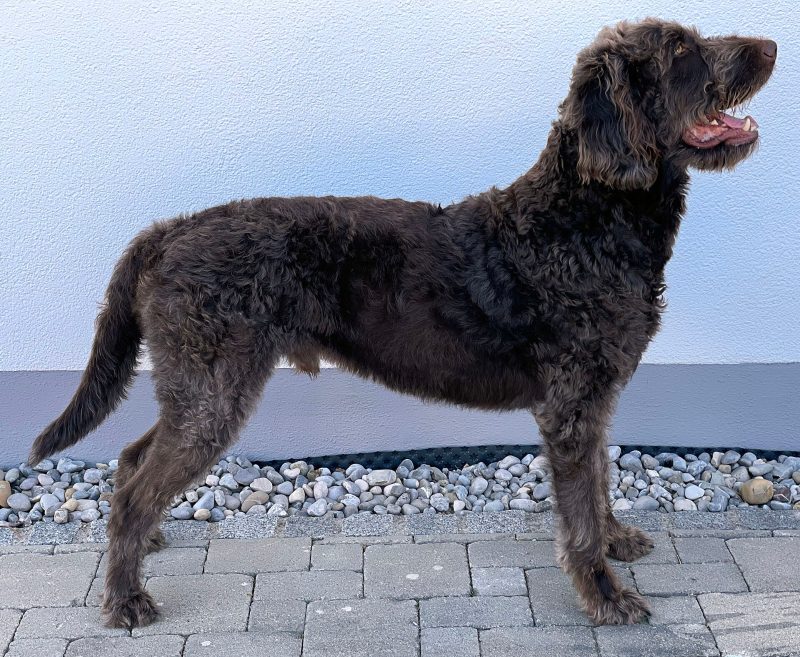
What Labrador Retriever owners say
Real pets, photos, stories and tips from the SitterNation community — separate from the editorial guide above.
Log in to add your pet, photos, stories and tips.
Meet Labrador Retrievers on SitterNation
No Labrador Retrievers have joined yet. Owners can show their pet here from the pet's profile.
Labrador Retriever community photos
No Labrador Retrievers photos yet — be the first to share one.
Stories from Labrador Retriever owners
No stories yet. What is life with yours really like?
Tips from Labrador Retriever owners
No tips yet. One practical thing that works for you is enough.
Ask Labrador Retriever owners
No questions yet. Ask the people who live with the breed.