Typical tendencies
Energy level
Needs a real outlet most days.
Good with children
Gentle and tolerant around children.
Good with other dogs
Enjoys most canine company.
Trainability
Lives for the lesson; a trainer's dream.
Shedding
Barely a hair on the sofa.
Apartment friendly
Fine in a flat if exercise is kept up.
More traits
Exercise needs
Adaptability
Grooming needs
Drooling
Intelligence
Family friendly
Good with cats
Friendly with strangers
Sociability
Protectiveness
Prey drive
Overview
The Poodle is an athletic, brilliant working dog wearing the costume of a show pony, and people who dismiss it for the haircut miss one of the best all-round companions available. It comes in three sizes recognized by the AKC, Standard, Miniature and Toy, which share one standard and one temperament; this article focuses on the Standard, the original water retriever, with notes on the smaller sizes. Poodles suit allergy-prone households, active owners who enjoy training, families with respectful children and anyone willing to budget for professional grooming every few weeks. They are a poor fit for people who want a low-maintenance coat, an independent dog or one that tolerates being ignored. Choose a breeder who screens hips, eyes and the breed's autoimmune problems, keep the mind busy, and you get a funny, sensitive, endlessly capable dog.
History & Origin
The Poodle's origins are old and contested. The FCI lists France as the country of origin, where the breed is called the Caniche, from cane, the French word for a female duck, and traces it to the old Barbet, a curly-coated duck retriever. The AKC and many historians argue instead for German roots: the English name comes from the German pudeln, to splash in water, and curly water retrievers fetched downed ducks from German marshes in the 1400s and 1500s. Either way, the working clip, with hair left over the joints and chest, was designed to keep a swimming dog warm while reducing drag. By the 1700s Poodles were performing in circuses, hunting truffles and warming the laps of French aristocrats, and the Standard was being bred down into the Miniature and later the Toy for city life. England's Kennel Club registered its first Poodle in 1874 and the AKC recognized the breed in 1887. The Poodle Club of America formed in 1931 and the AKC recognized the Toy as a third variety in 1943. From 1960 to 1982 the Poodle was the most popular breed in America.
Appearance
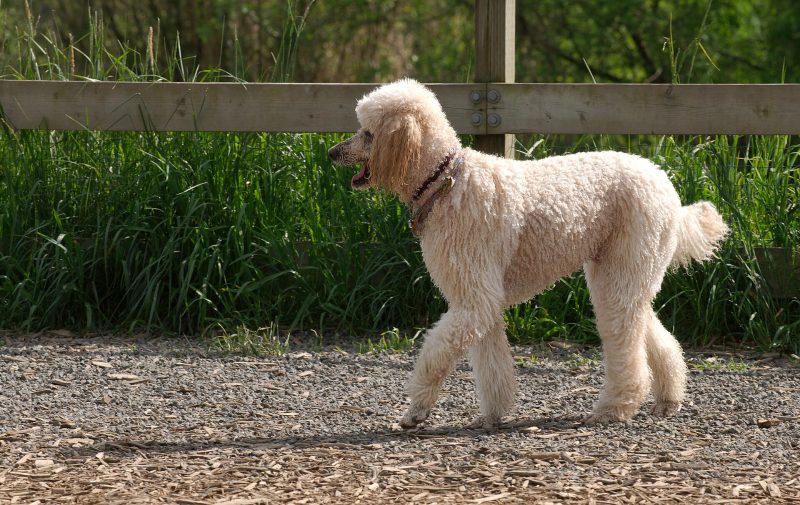
A Standard Poodle is a squarely built, elegant dog that moves with a light, springy gait. Heights run roughly 18 to 24 inches at the shoulder, with the AKC requiring only that a Standard stand over 15 inches; males typically weigh 60 to 70 pounds and females 40 to 50. Miniatures stand over 10 and up to 15 inches, Toys 10 inches or under, and the FCI recognizes a fourth Medium size. The head is long and refined with a slight stop, dark oval eyes and long ears hanging close to the cheeks. The coat is dense, curly and harsh, and it keeps growing like human hair; it can also be left to cord. Solid colors include black, white, apricot, cream, brown, red, silver, gray, blue and café au lait. Pet Poodles usually wear a short all-over clip; the Continental and English Saddle clips are for the show ring. Shaved of its coat, a Poodle looks like what it is: a lean, long-legged retriever.
Temperament & Personality
Poodles are people dogs with a sense of humor. They are affectionate without being clingy, alert enough to bark at a doorbell but not nuisance barkers, and reserved rather than suspicious with strangers; most warm up quickly. They watch their people constantly and learn household routines, including the ones you did not mean to teach. Standards are typically calm and dignified indoors with bursts of goofy play outdoors; Miniatures and Toys are livelier and more vocal. Poodles are good with children who are gentle, with other dogs and with cats, though Toys are fragile around toddlers. The breed is sensitive and does not tolerate rough handling or chaotic homes well; a stressed Poodle becomes anxious or neurotic. Standards from working lines retain real retrieving drive and love water. Poodles do not like being left out and can develop separation anxiety if isolated for long hours.
Exercise & Activity
A Standard Poodle needs about an hour of exercise daily, with some running, swimming or retrieving in it; Miniatures need 30 to 60 minutes and Toys a couple of short walks plus indoor play. The breed is a natural athlete and shines in agility, obedience, dock diving, retrieving trials, flyball, rally and tracking, and it makes a willing jogging or hiking partner once mature at about 18 months. Mental exercise is non-negotiable: a Poodle with nothing to think about will think about your furniture. Food puzzles, trick training and scent games all help. Poodles handle cold reasonably well in coat, but a short clip gives little insulation, so winter walks may call for a jacket; summer heat is tolerable in a short clip with shade and water. Boredom looks like barking, chewing, pacing and pestering.
Daily: a brisk walk plus retrieving, swimming or a training session
Weekly: a class, sport or new trail
Training
Poodles rank near the top of every intelligence ranking, and they live up to it. They learn cues in a handful of repetitions, read body language precisely and remember both what earned a reward and what did not. This cuts both ways: they also learn to open doors, raid counters and manipulate soft-hearted owners. Train with rewards and consistency; the breed is sensitive and shuts down under harsh corrections. Keep sessions varied, because Poodles bore quickly with repetition. Socialize early and broadly to prevent the shyness that shows up in some lines. House training is straightforward in Standards and can be slower in Toys. Teach calm greetings, since Poodles jump and spin with joy. Recall is usually reliable. The breed excels in competitive obedience, agility, rally, scent work and retrieving tests, and Standards work as guide, service and therapy dogs. A Poodle that is trained daily, even for five minutes, is a happier dog.
Grooming & Care
Grooming is the Poodle's price of admission. The coat does not shed in the usual way; dead hair tangles into the living coat, so it must be brushed to the skin with a slicker brush and a metal comb every day or two, especially behind the ears, in the armpits and under the collar. Mats form fast and must be removed before bathing, because water tightens them. Most owners book a professional groomer every four to eight weeks for a bath, blow-dry and clip; a short sporting or puppy clip is the practical choice for pets. Hair grows inside the ear canal and traps wax; ask your vet or groomer whether to pluck or trim it. Trim nails every three to four weeks, brush teeth several times a week, and wipe tear staining on light-colored dogs. The change from the soft puppy coat to the adult coat around nine to sixteen months brings a season of extra matting.
Brush: every 1–2 days, to the skin
Professional clip: every 4–8 weeks
Ears: check weekly, keep dry
Health
Standard Poodles typically live 10 to 18 years, and the smaller varieties often reach the upper end. The breed's distinctive problems are immune-mediated: Addison's disease (hypoadrenocorticism), in which the adrenal glands fail and the dog shows vague illness, vomiting or collapse; and sebaceous adenitis, an inflammatory skin disease causing scaling and hair loss, diagnosed by skin biopsy. Both are over-represented in Standards. The deep chest brings a high risk of bloat (gastric dilatation-volvulus). Hip dysplasia, progressive retinal atrophy, cataracts, idiopathic epilepsy, hypothyroidism, von Willebrand disease and Cushing's disease also occur; Miniatures and Toys add patellar luxation, Legg-Calvé-Perthes disease and dental crowding. Responsible breeders obtain OFA or PennHIP hip evaluations and an annual eye exam by a veterinary ophthalmologist, plus a thyroid panel, a sebaceous adenitis skin biopsy or a cardiac exam, and DNA tests for neonatal encephalopathy and von Willebrand disease; Toy and Miniature breeders add the prcd-PRA DNA test. See your vet promptly for a hard swollen belly with retching, unexplained weakness or vomiting, or patchy hair loss.
Nutrition
Poodles are not usually gluttons, and many are picky, so the challenge is often keeping weight on an active Standard rather than taking it off. Feed a complete diet matched to size and life stage: a large-breed puppy formula for Standards until about 12 months, a small-breed formula for Toys and Miniatures, and adult food after that. Because Standards are prone to bloat, split the day's food into two or three meals, avoid hard exercise around mealtimes, skip raised bowls unless your vet recommends one and consider a preventive gastropexy at the time of spaying or neutering. Toys need small, frequent meals as puppies to avoid low blood sugar. Food sensitivities can show up as itchy skin or ear infections; ask your vet about an elimination diet rather than guessing. Keep treats under a tenth of daily calories, especially with all the training a Poodle invites, and keep fresh water available.
Living With This Breed
Poodles fit many homes. Toys and Miniatures suit apartments; Standards manage in one with enough exercise but prefer a house and yard. They are clean, low-odor dogs that shed very little, which is why allergy sufferers often tolerate them, though no dog is truly hypoallergenic. They want to be with people and should not be left alone for long days. Standards are good with children; Toys and Miniatures do better with older kids. They are generally fine with other pets. Climate is manageable in any clip with some planning. For sitters and daycare staff: Poodles are sensitive and observant, so a calm, consistent approach matters; keep the coat dry after water, brush out any tangles the same day, and note that Standards are strong swimmers and retrievers who will find the pond.
Brush before mats set; a day's neglect shows
Raincoat or towel for wet weather
Jacket for close-clipped dogs in cold
Interesting Facts
The elaborate show clip began as a working haircut: hunters shaved the hindquarters so the dog could swim freely and left pompoms over the joints and chest to keep them warm in cold water.
Poodles have been used to hunt truffles because their keen noses and soft mouths let them find the fungus without damaging it.
A team of Standard Poodles ran the Iditarod sled race in Alaska in 1988 and finished, before the rules were changed to allow only northern breeds.
The Poodle was the most popular breed in the United States for more than two decades, from 1960 to 1982.
Winston Churchill's beloved Poodle Rufus, and later Rufus II, had the run of Chartwell and dined with the prime minister.
A Poodle's coat keeps growing like human hair, which is why it needs clipping and why it can be grown into long cords like a Komondor's.
Breeds similar to the Poodle
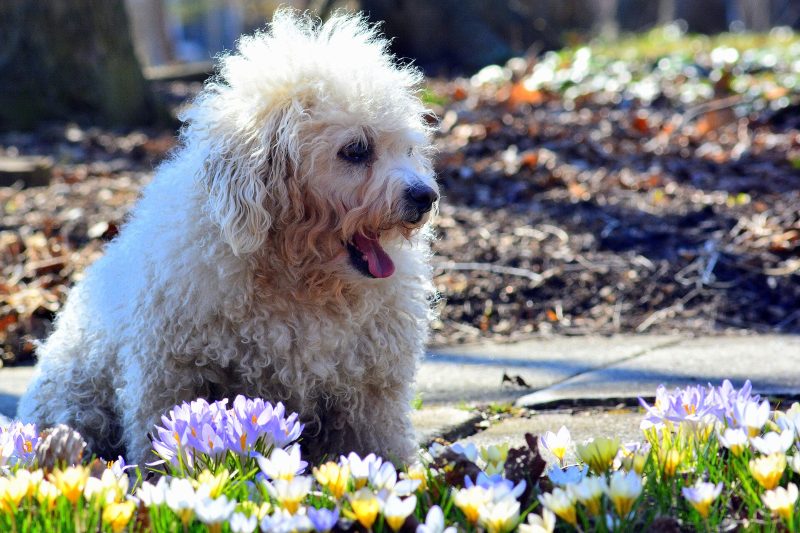
Popular Poodle crosses
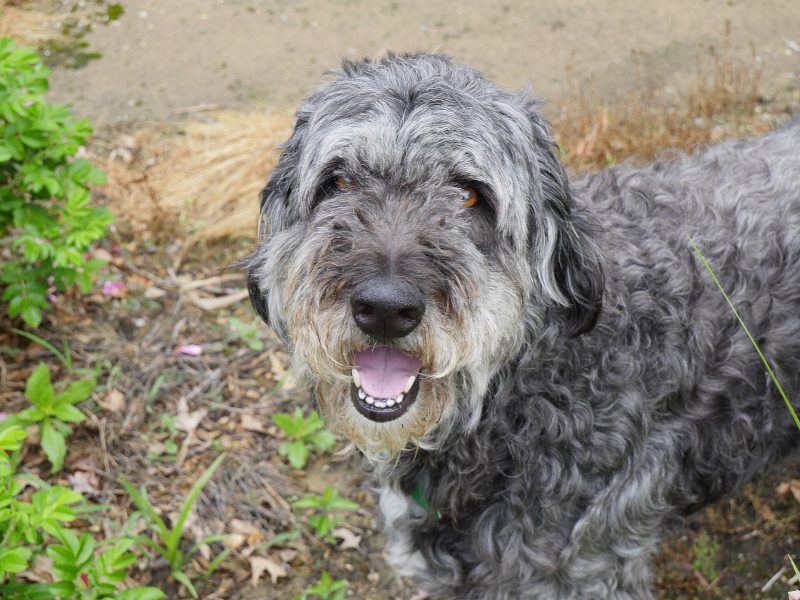
Aussiedoodle
Designer cross
Toy–Large · 10–14 years
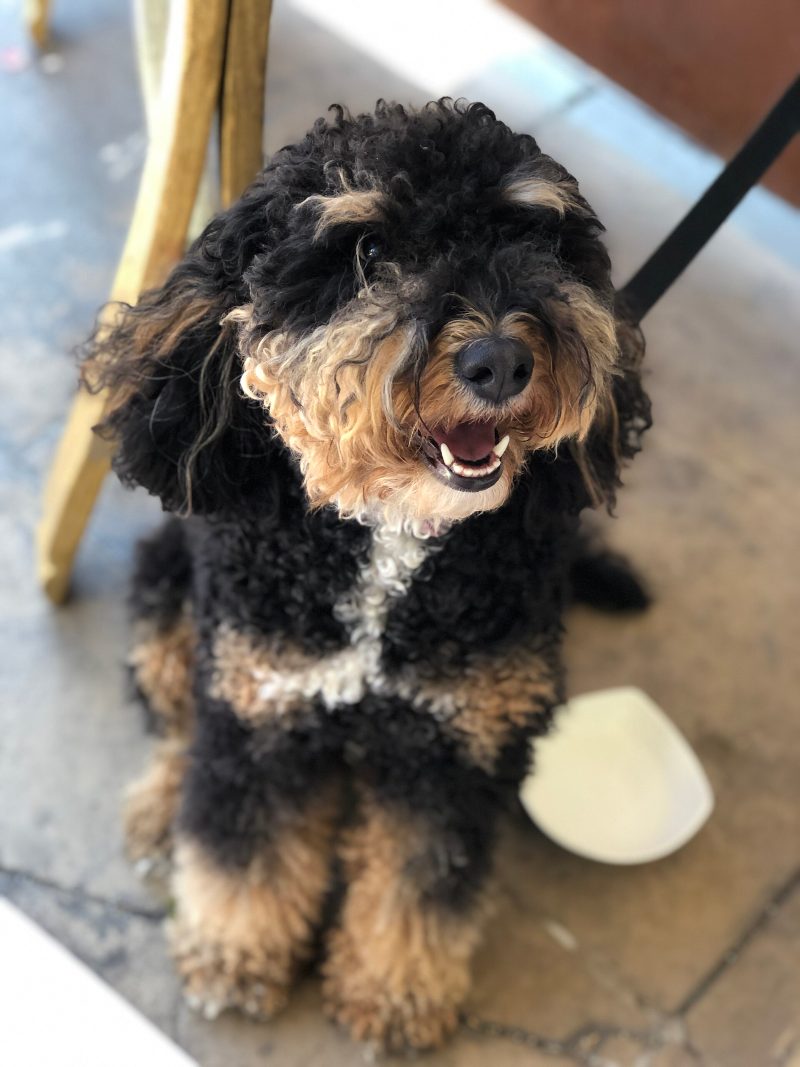
Bernedoodle
Designer cross
Small–Large · 12–15 years
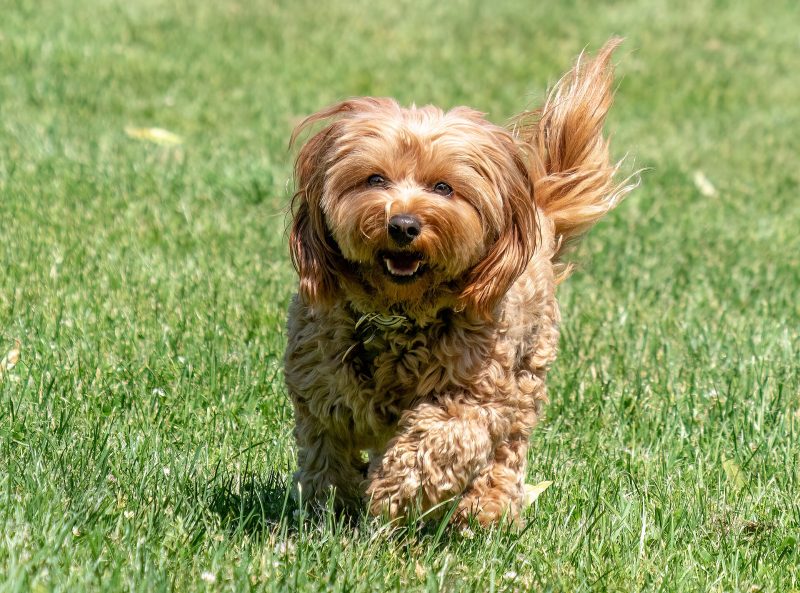
Cavapoo
Designer cross
Small · 12–15 years
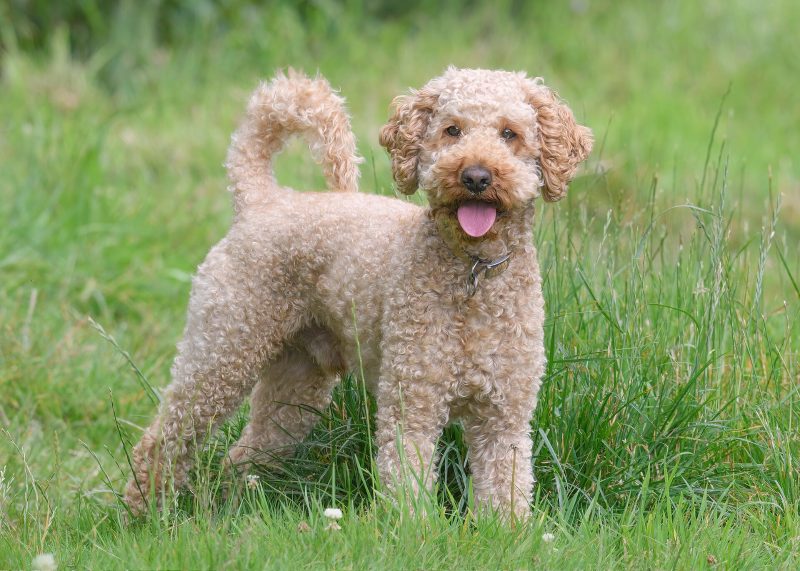
Cockapoo
Designer cross
Toy–Medium · 13–16 years
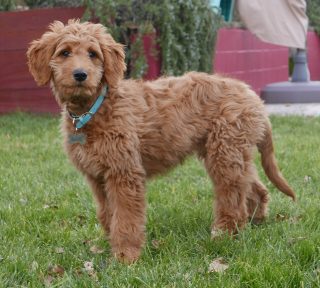
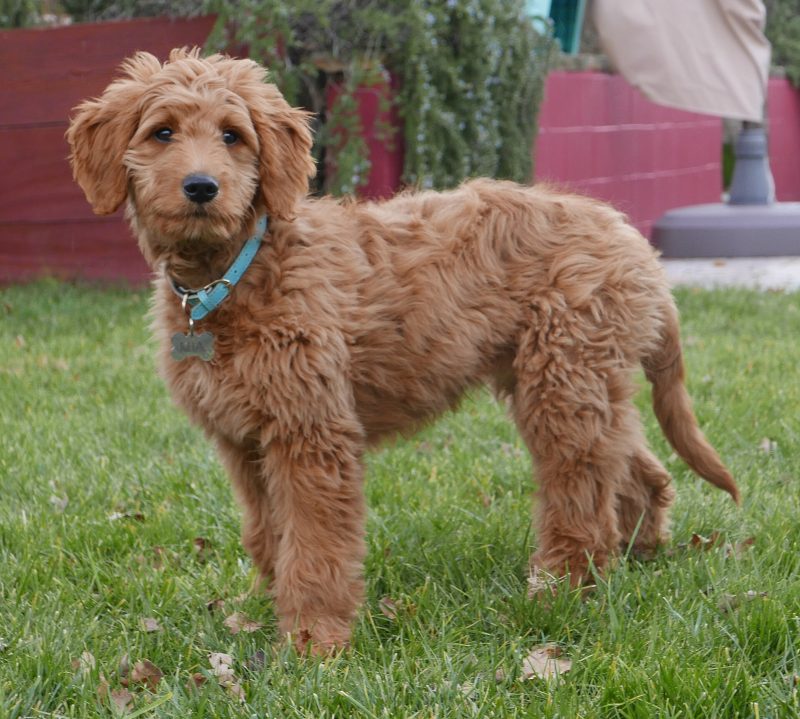
Goldendoodle
Designer cross
Small–Large · 10–15 years
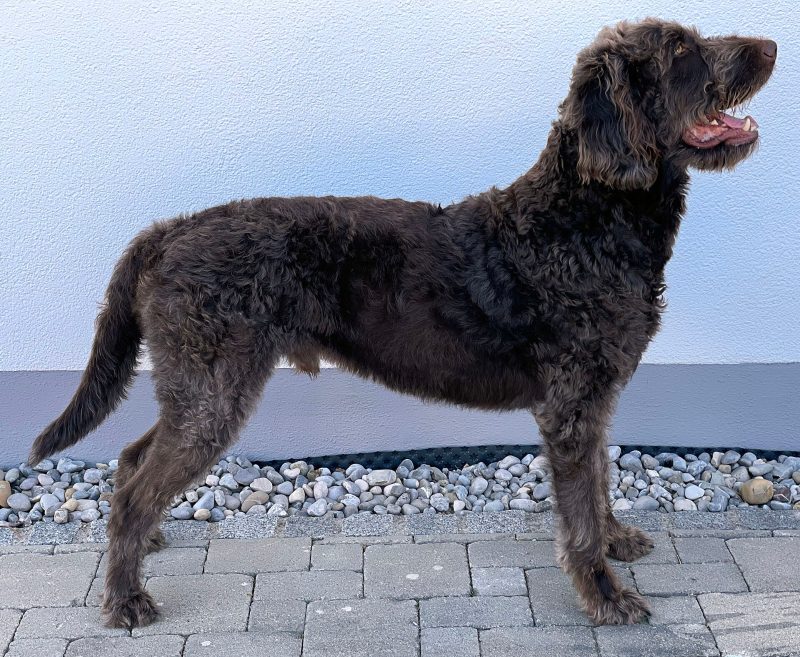
Labradoodle
Designer cross
Small–Large · 12–15 years
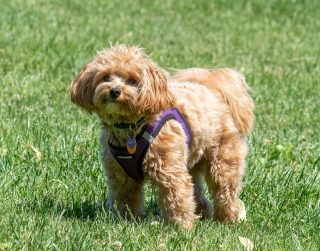
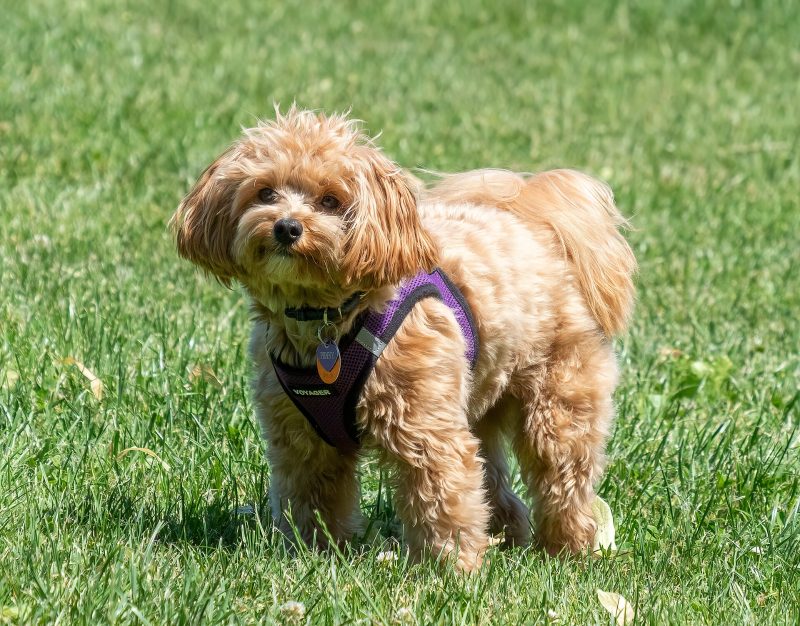
Maltipoo
Designer cross
Toy · 12–15 years
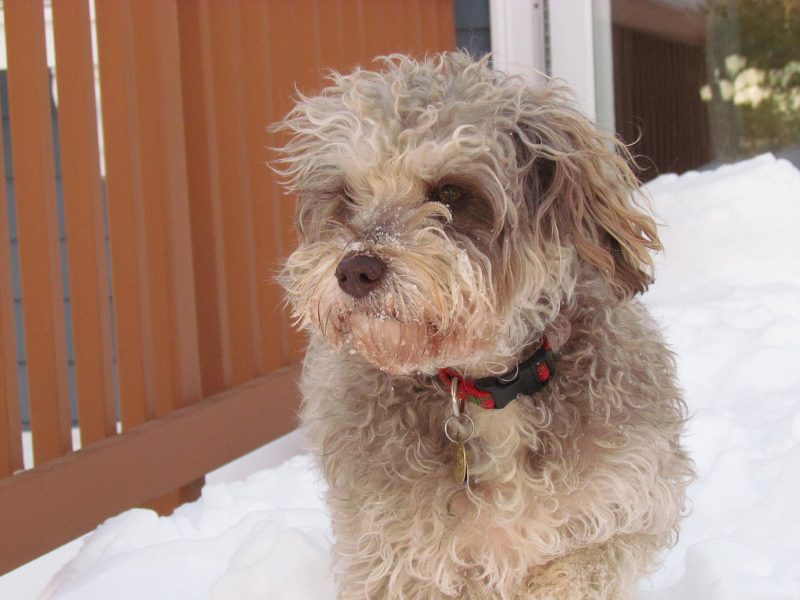
Schnoodle
Designer cross
Toy–Large · 12–15 years
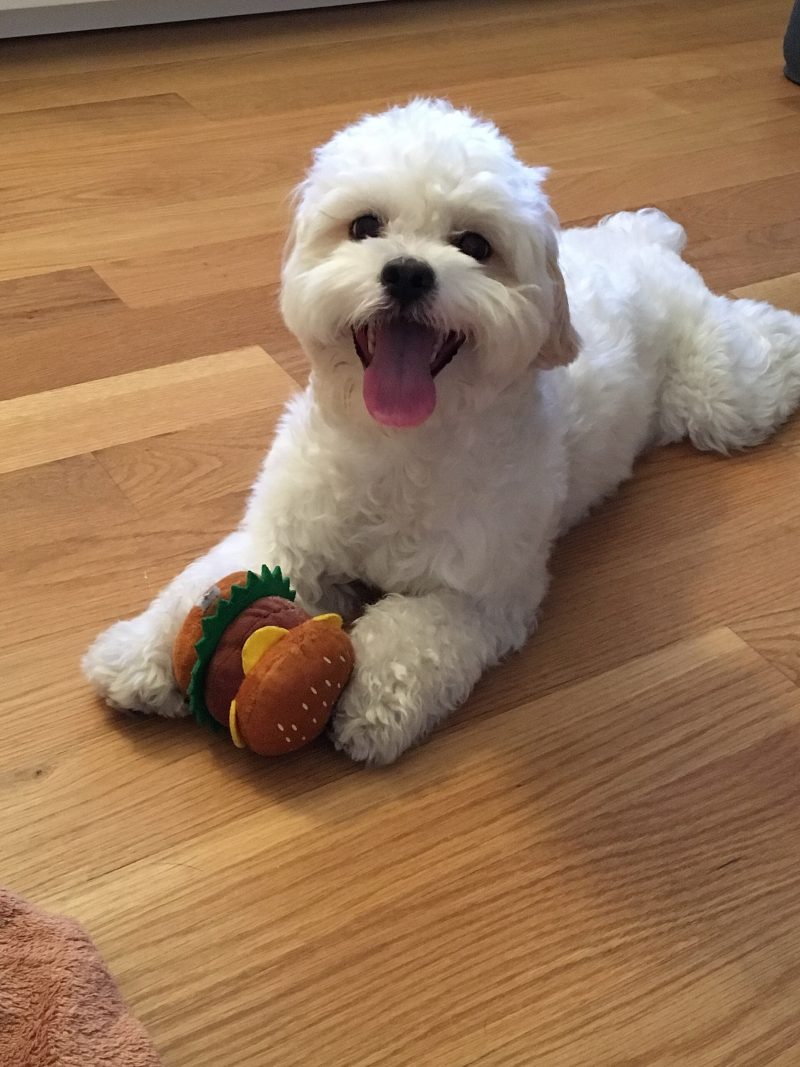
Shih-Poo
Designer cross
Toy · 13–17 years
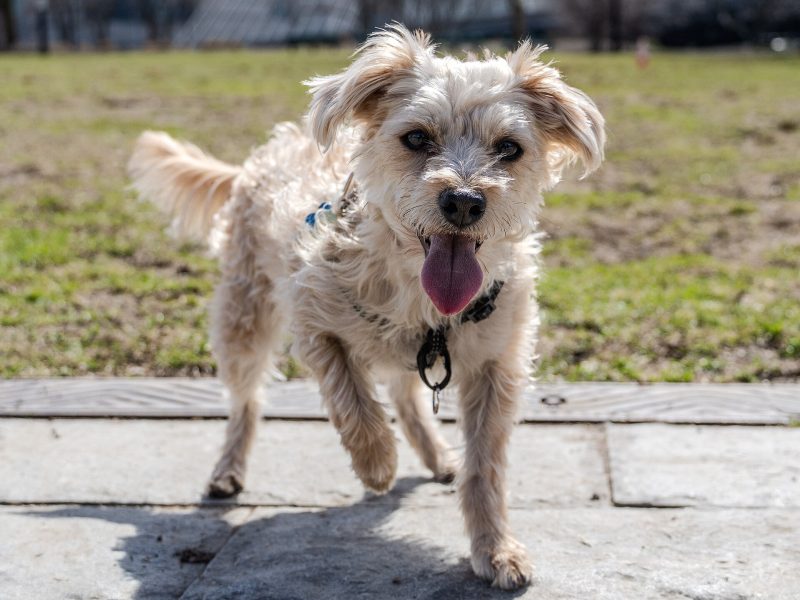
Yorkipoo
Designer cross
Toy · 12–15 years
What Poodle owners say
Real pets, photos, stories and tips from the SitterNation community — separate from the editorial guide above.
Log in to add your pet, photos, stories and tips.
Meet Poodles on SitterNation
No Poodles have joined yet. Owners can show their pet here from the pet's profile.
Poodle community photos
No Poodles photos yet — be the first to share one.
Stories from Poodle owners
No stories yet. What is life with yours really like?
Tips from Poodle owners
No tips yet. One practical thing that works for you is enough.
Ask Poodle owners
No questions yet. Ask the people who live with the breed.