Best Dog Breeds for First-Time Owners (Ranked by Data)
A first dog should forgive beginner mistakes: inconsistent cues, a late walk, a schedule that changes when work does. This list picks out the breeds whose editorial ratings say they learn quickly and cope with change.
Every breed here scores 4 or 5 on both Trainability and Adaptability in our editorial ratings; the list is ranked by the Trainability score, then popularity. Trainability measures how readily a breed picks up and keeps new behavior; Adaptability covers how well it handles a new home, a new routine or a few hours alone. A breed that scores well on one but not the other is left out, which is why some famously clever herding breeds are missing: they learn fast but need more structure than a first owner usually provides.
The Labrador Retriever, Golden Retriever and Poodle lead the list, with the Papillon the standout among toy breeds. The Cavalier King Charles Spaniel and Boston Terrier are the easiest choices for a smaller home.
High trainability does not mean low effort. Every one of these dogs still needs daily exercise, consistent rules and early socialization, and a Labrador puppy can wreck a living room as thoroughly as any other. The ratings are tendencies across a breed; the puppy you bring home is an individual, and its upbringing will matter more than its pedigree. If the first months feel like more than you expected, a few sessions with a private dog trainer are the cheapest fix there is, and a sitter who meets the dog early makes the first trip away far easier.

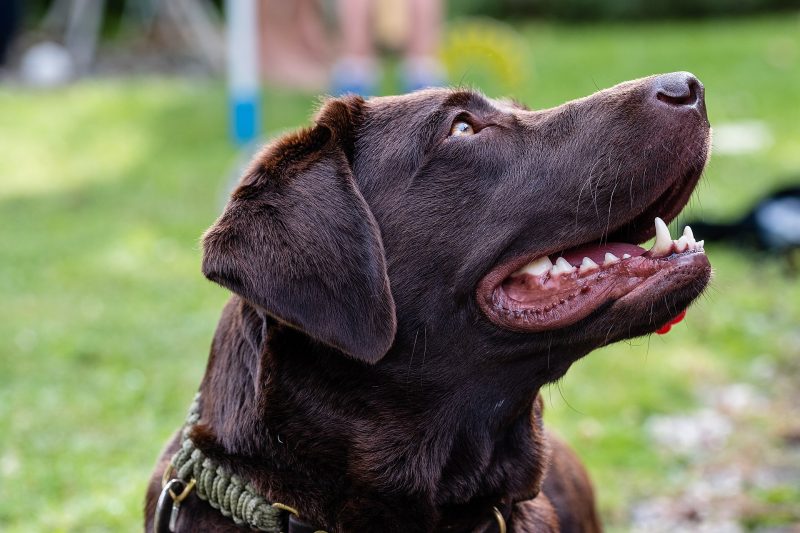
Labrador Retriever
Good-natured, water-loving gundog whose easygoing temper and appetite for play make it America's long-running family favorite.
Large · 11–13 years
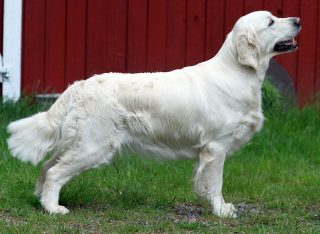
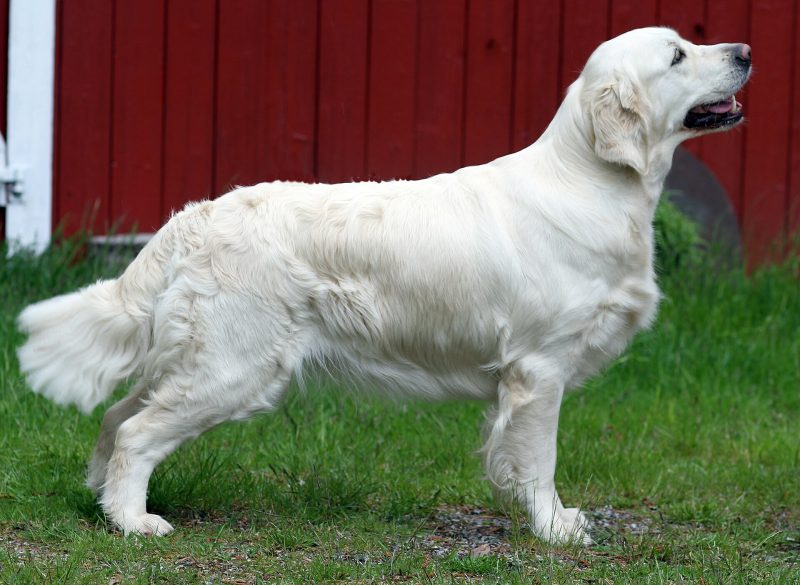
Golden Retriever
Warm-hearted, biddable retriever with a flowing gold coat that wants nothing more than to be part of everything the family does.
Large · 10–12 years
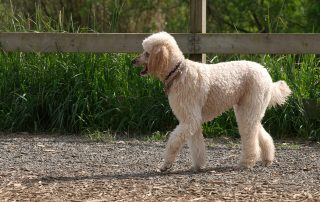
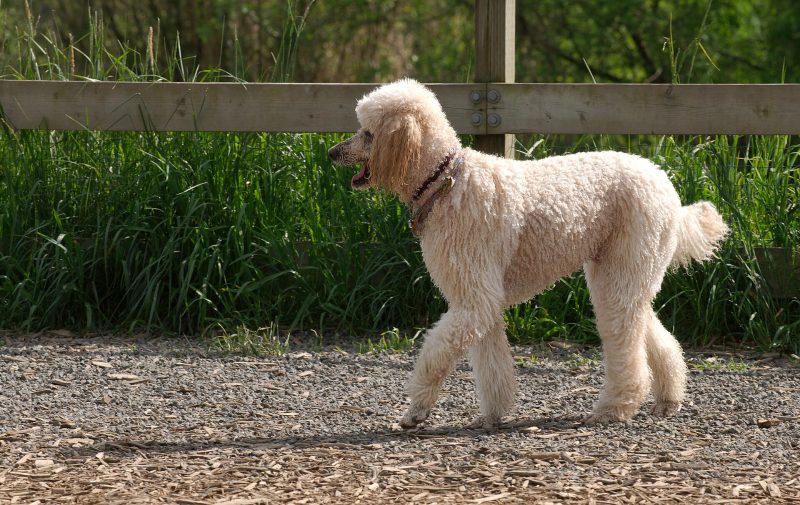
Poodle
Sharp-witted, athletic water retriever in three sizes, wearing a curly low-shed coat that needs regular clipping.
Toy–Large · 10–18 years
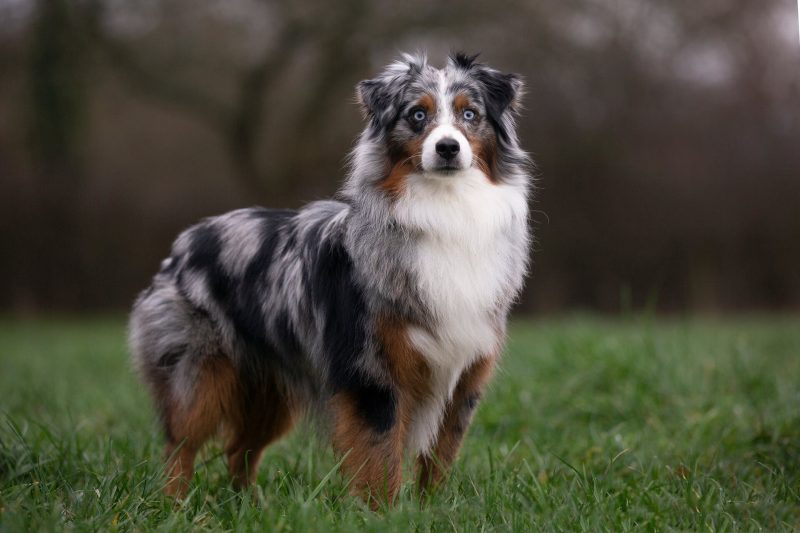
Miniature American Shepherd
Scaled-down Aussie bred in 1960s California for rodeo and trail life, keeping the herding brains and drive in a more portable package.
Small · 12–13 years
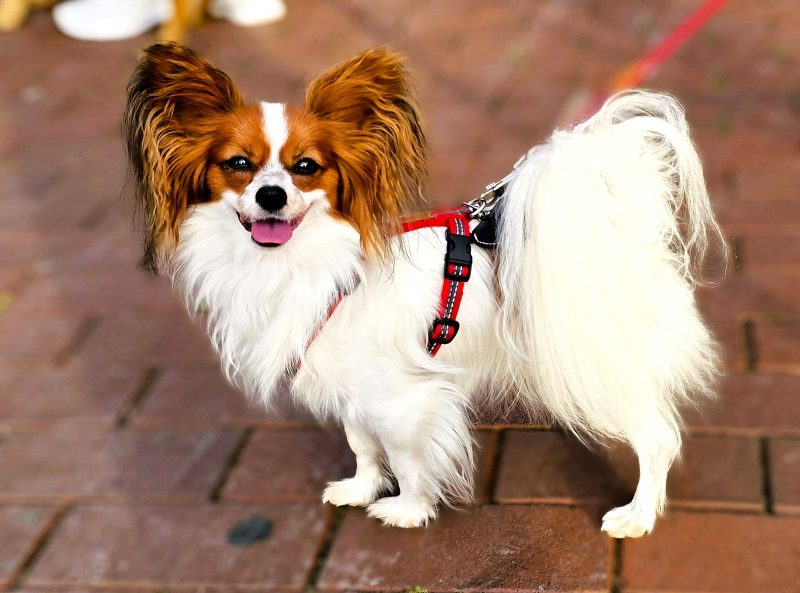
Papillon
Tiny, bright-eyed toy spaniel with butterfly-wing ears, quick wits and far more athletic drive than its dainty frame suggests.
Toy · 14–16 years
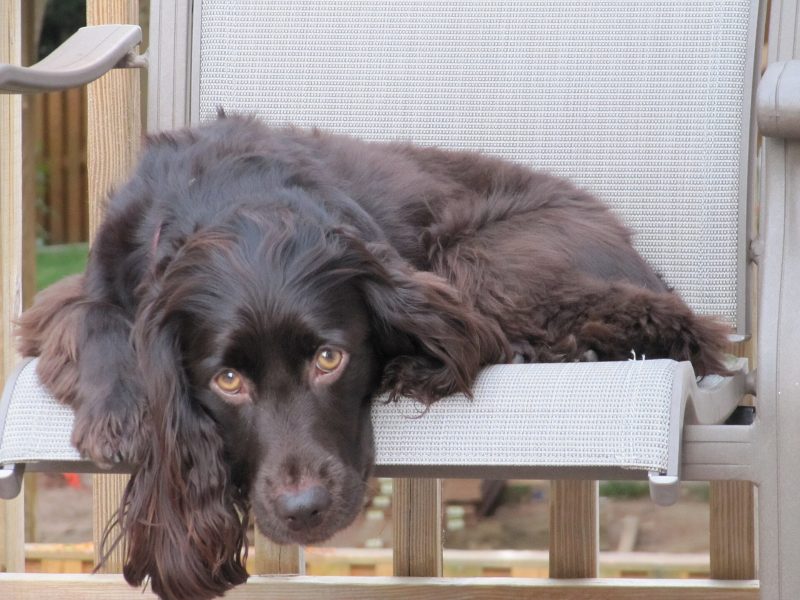
Boykin Spaniel
South Carolina's own chocolate-brown swamp spaniel, sized to fit in a small boat; eager, water-loving and devoted to whoever holds the leash.
Medium · 10–15 years
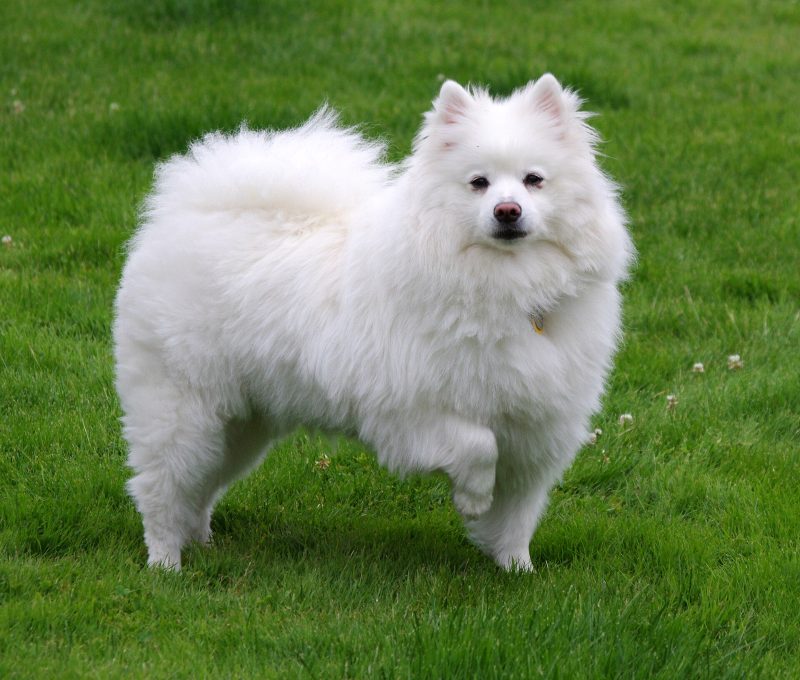
American Eskimo Dog
Snow-white American spitz in toy, miniature and standard sizes; a former circus performer that is quick to learn, quick to bark and loves its people.
Toy–Medium · 13–15 years
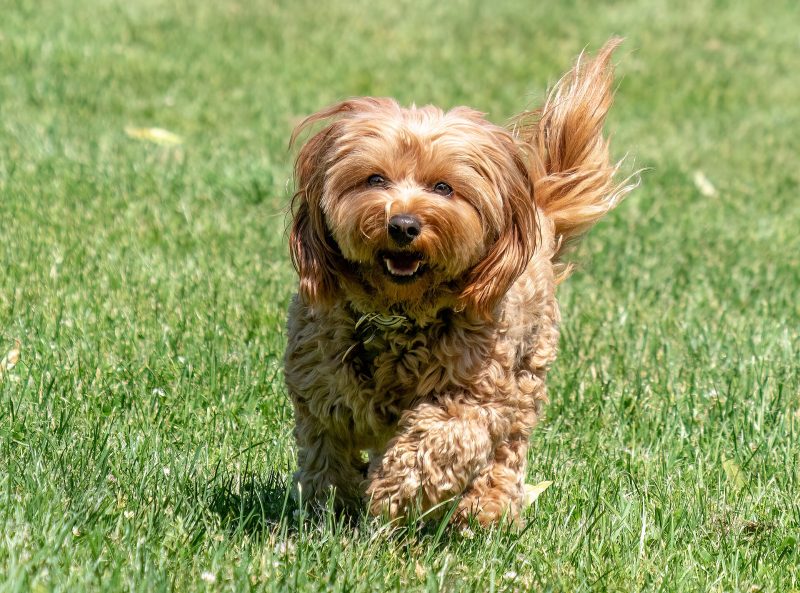
Cavapoo
Designer cross
Cavalier King Charles Spaniel and Poodle cross bred for a gentle, lap-sized temperament; a hybrid with no breed standard.
Small · 12–15 years
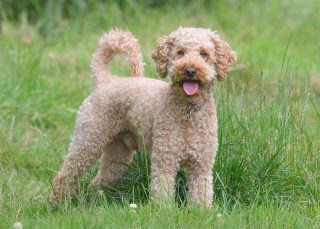
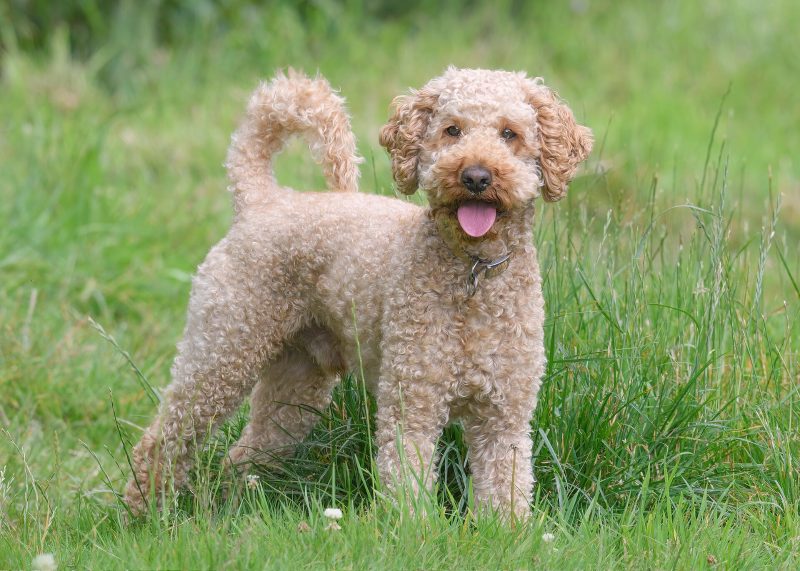
Cockapoo
Designer cross
One of the oldest designer crosses, pairing Cocker Spaniel with Poodle for a small, cheerful, curly companion; not a recognized breed.
Toy–Medium · 13–16 years
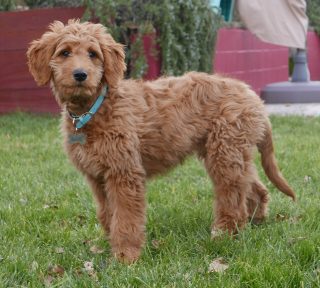
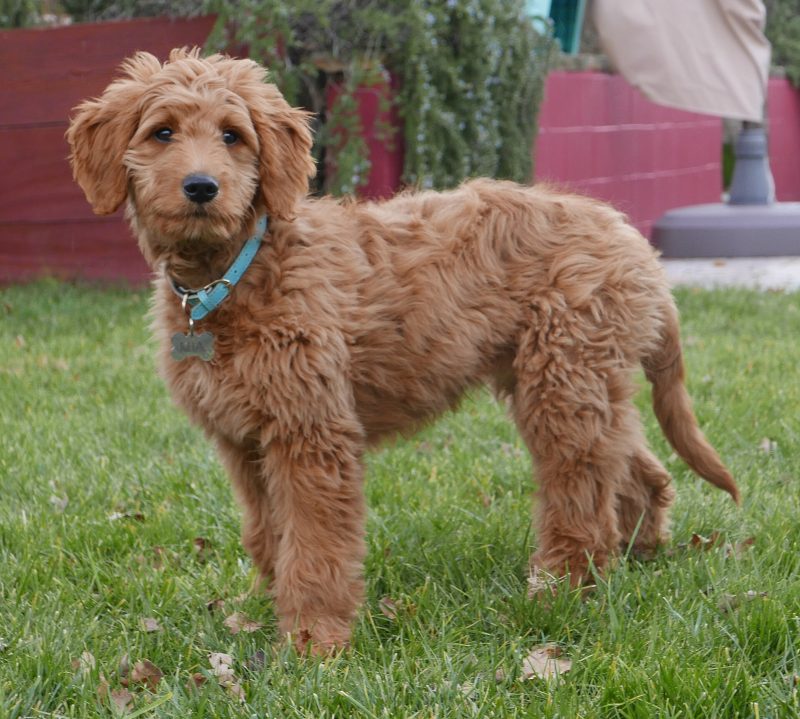
Goldendoodle
Designer cross
Golden Retriever and Poodle cross, not a recognized breed: a sociable, wavy-coated family dog that varies by generation and size.
Small–Large · 10–15 years
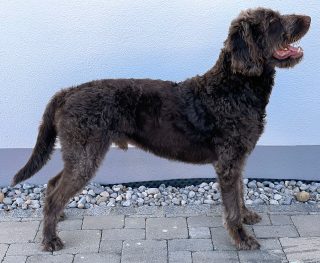
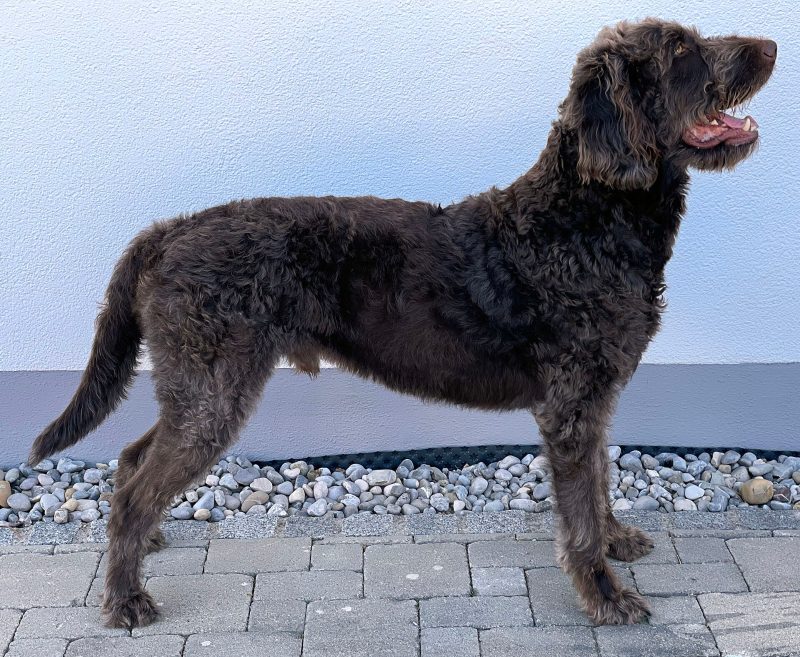
Labradoodle
Designer cross
Labrador Retriever and Poodle cross first bred as a guide-dog prospect; a friendly, busy hybrid rather than a registered breed.
Small–Large · 12–15 years

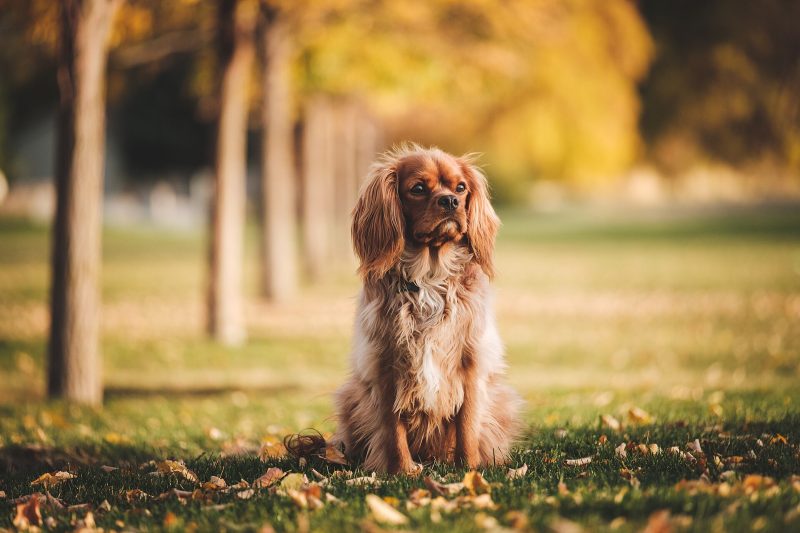
Cavalier King Charles Spaniel
Soft-eyed lap spaniel with a sweet, adaptable nature, equally content on a country walk or curled up on the nearest available lap.
Small · 12–15 years
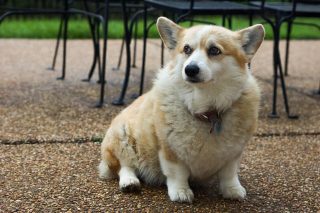
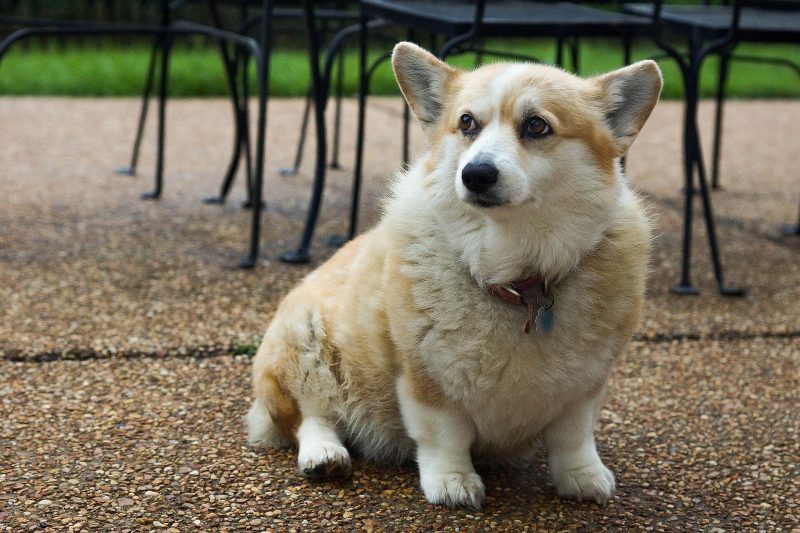
Pembroke Welsh Corgi
Short-legged Welsh cattle herder with a fox-like face and a big personality, bright, bossy and quick to make friends.
Small · 12–13 years
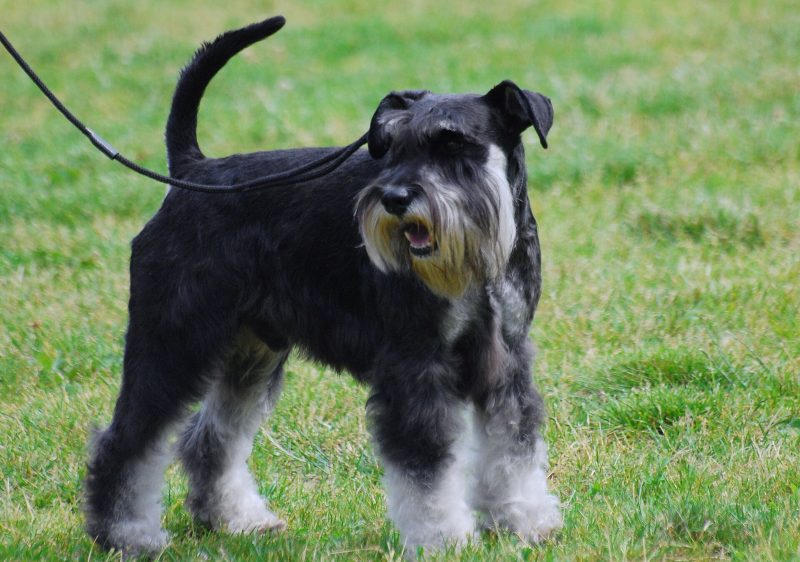
Miniature Schnauzer
Bearded, bushy-browed little ratter with a lively, outspoken character, low-shedding coat and a knack for announcing visitors.
Small · 12–15 years

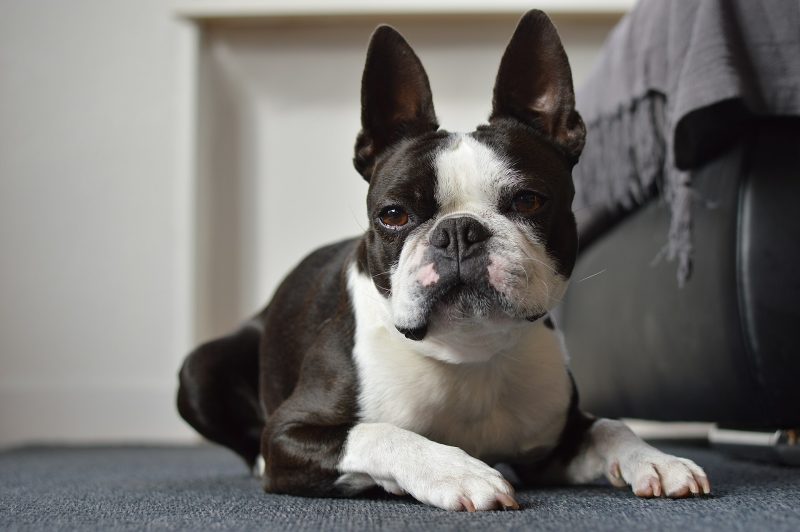
Boston Terrier
Dapper, tuxedo-marked American original with round eyes, a cheerful disposition and manners that suit small homes and city life.
Small · 11–13 years

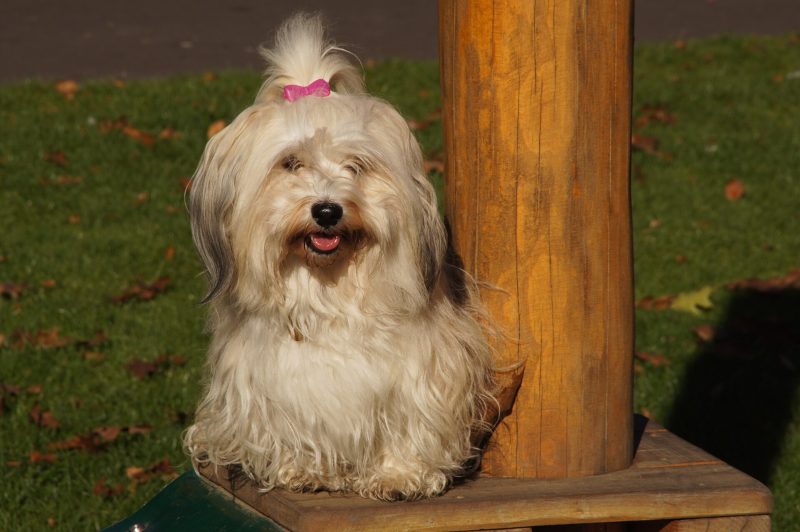
Havanese
Cuba's silky-coated national dog, a sociable, springy little entertainer that bonds hard and dislikes being left alone.
Toy · 14–16 years

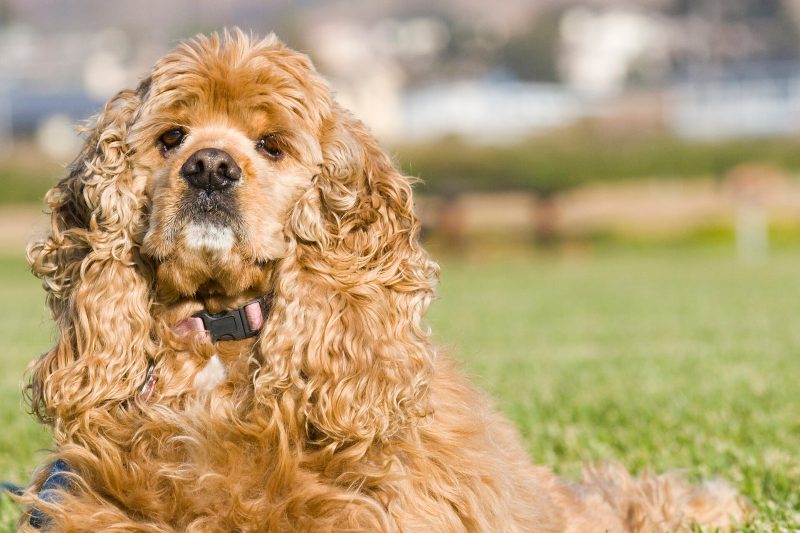
Cocker Spaniel
The smallest sporting breed, a soulful-eyed, feather-coated spaniel that trades field work for a devoted place in the family.
Small · 10–14 years
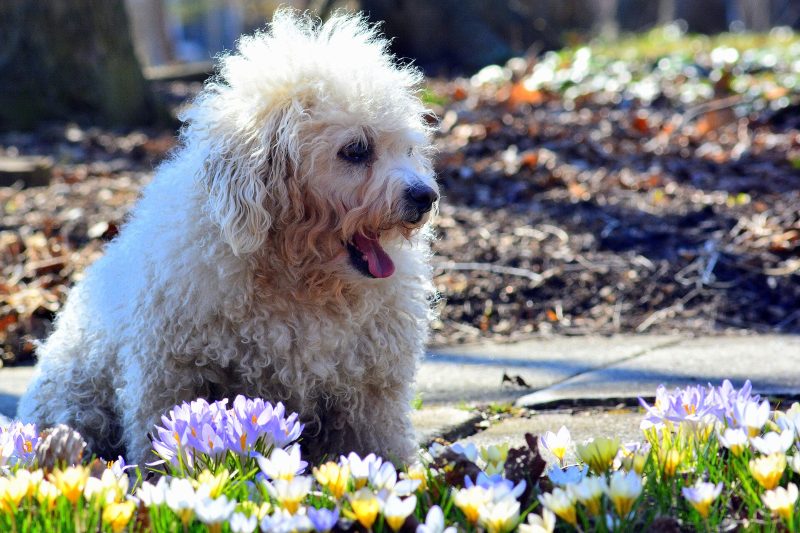
Bichon Frise
Powder-puff white companion with a merry, people-loving disposition and a curly low-shed coat that calls for frequent grooming.
Small · 14–15 years

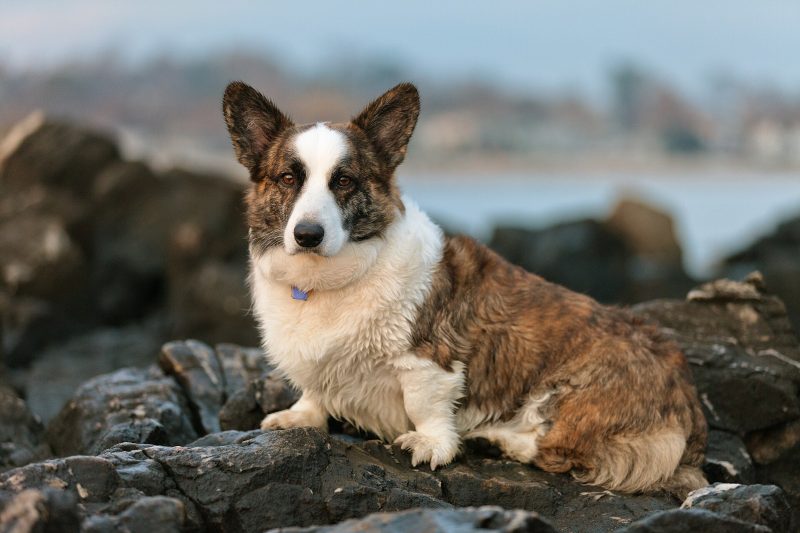
Cardigan Welsh Corgi
The long-tailed, rounder-eared corgi of Wales: a low-slung cattle driver with a thoughtful, slightly reserved temperament and a big bark.
Small · 12–15 years
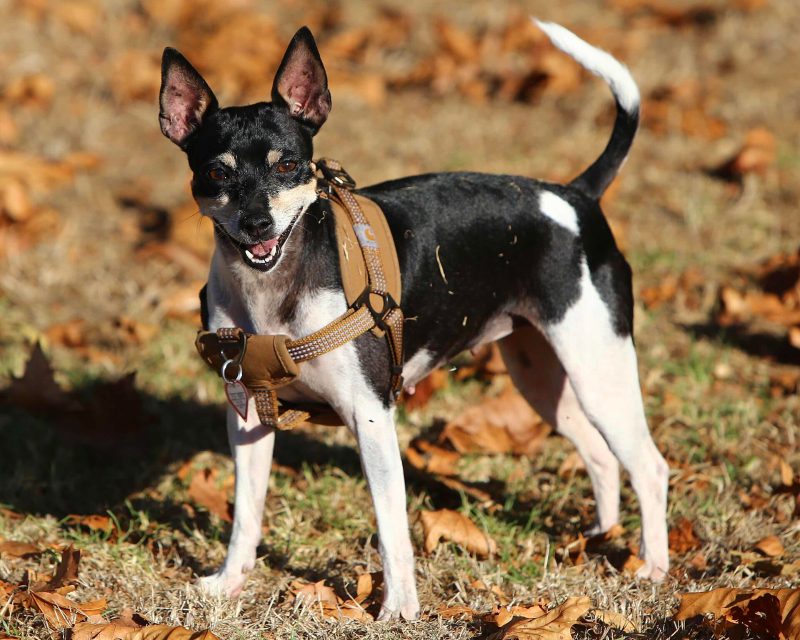
Rat Terrier
Lean, pied American farm terrier that cleared barns of vermin for generations; quick, trainable and more easygoing than its name suggests.
Small · 12–18 years
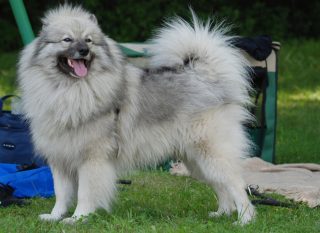
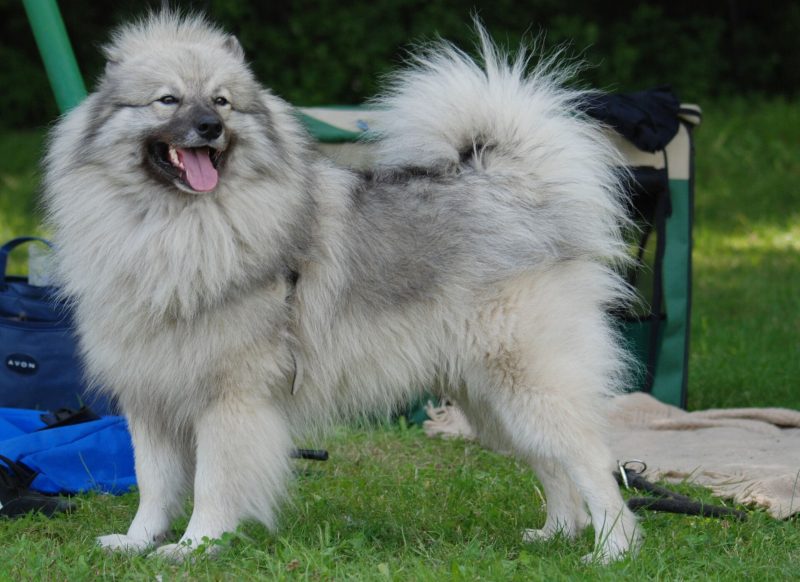
Keeshond
Fox-faced Dutch barge spitz with spectacle markings and a plush silver-gray coat; outgoing, people-oriented and always ready to join the family.
Medium · 12–15 years
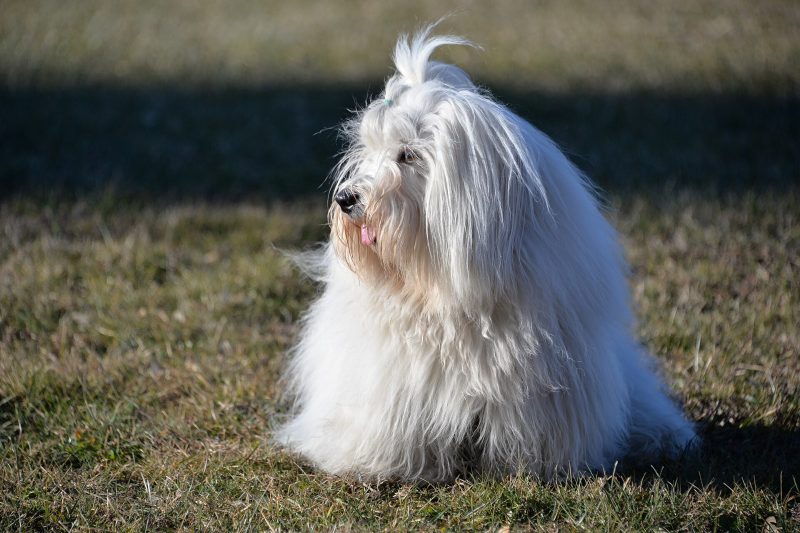
Coton de Tulear
Cotton-coated companion from Madagascar's port city of Tulear; a cheerful, chatty clown that bonds hard and dislikes being left behind.
Small · 15–19 years
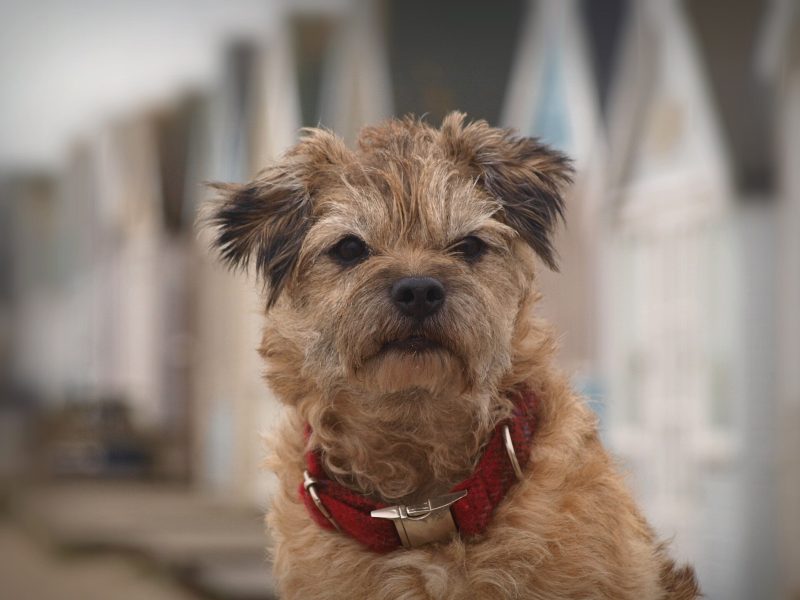
Border Terrier
Otter-headed working terrier from the Anglo-Scottish borderlands; tough enough to run with hounds, yet unusually mellow and affectionate indoors.
Small · 12–15 years
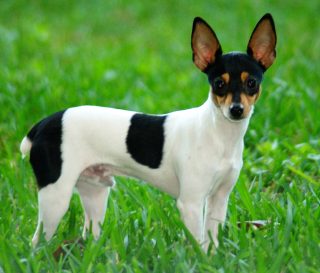
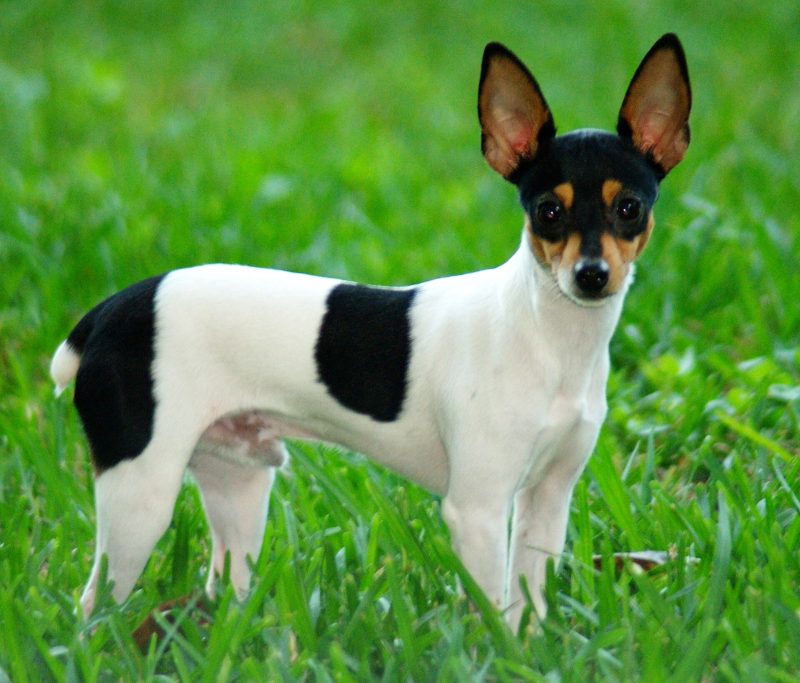
Toy Fox Terrier
Big-eared American toy with a true terrier engine; clever enough to learn tricks in minutes and bold enough to challenge dogs ten times its size.
Toy · 13–15 years
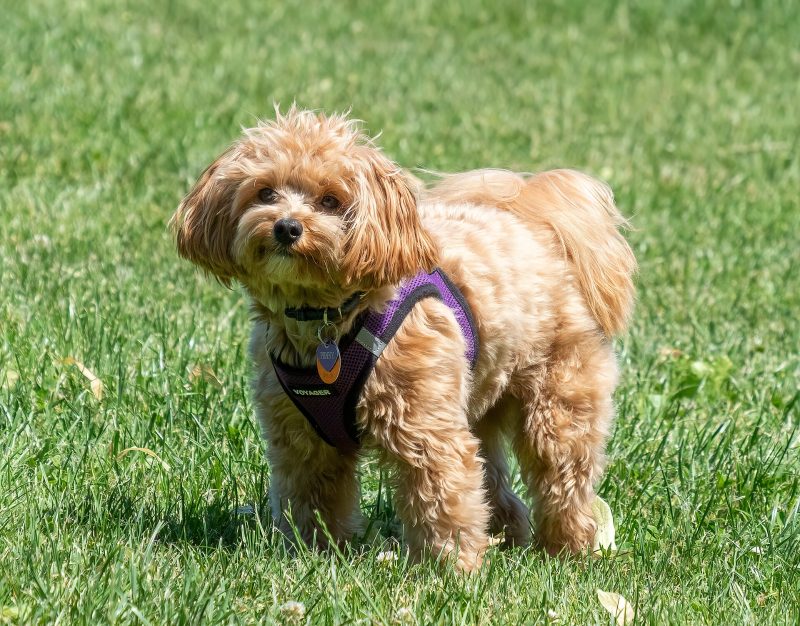
Maltipoo
Designer cross
Maltese and Toy or Miniature Poodle cross, a tiny fluffy companion sold under many spellings; a designer mix rather than a breed.
Toy · 12–15 years
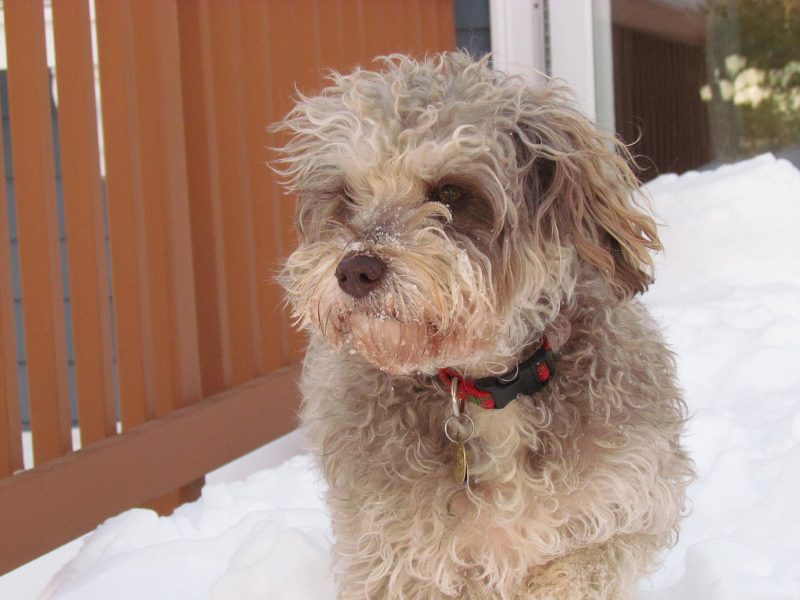
Schnoodle
Designer cross
Miniature Schnauzer and Poodle cross with a wiry-to-curly coat and a watchful streak; a hybrid without a breed standard.
Toy–Large · 12–15 years
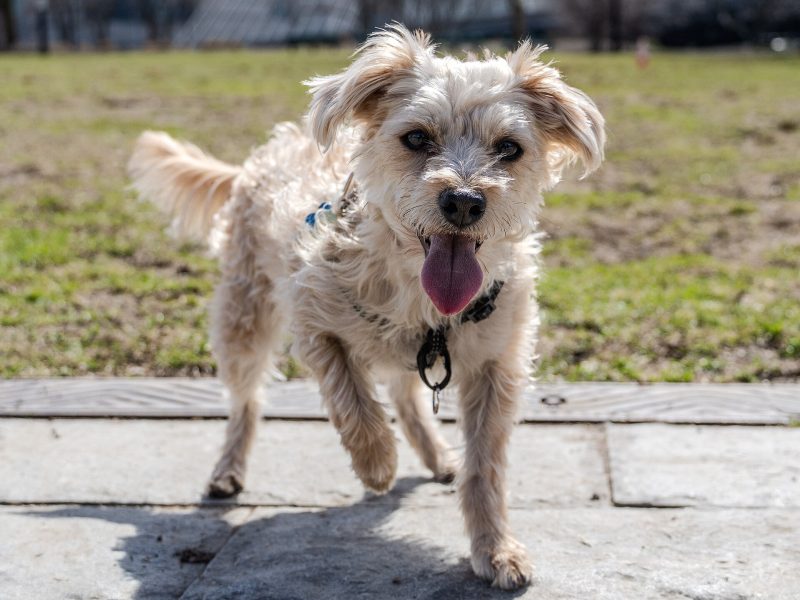
Yorkipoo
Designer cross
Yorkshire Terrier and Toy Poodle cross: a tiny, lively, low-shedding companion that exists as a mix, not a recognized breed.
Toy · 12–15 years
Browse all dog breeds and cat breeds, or see the other breed lists.